

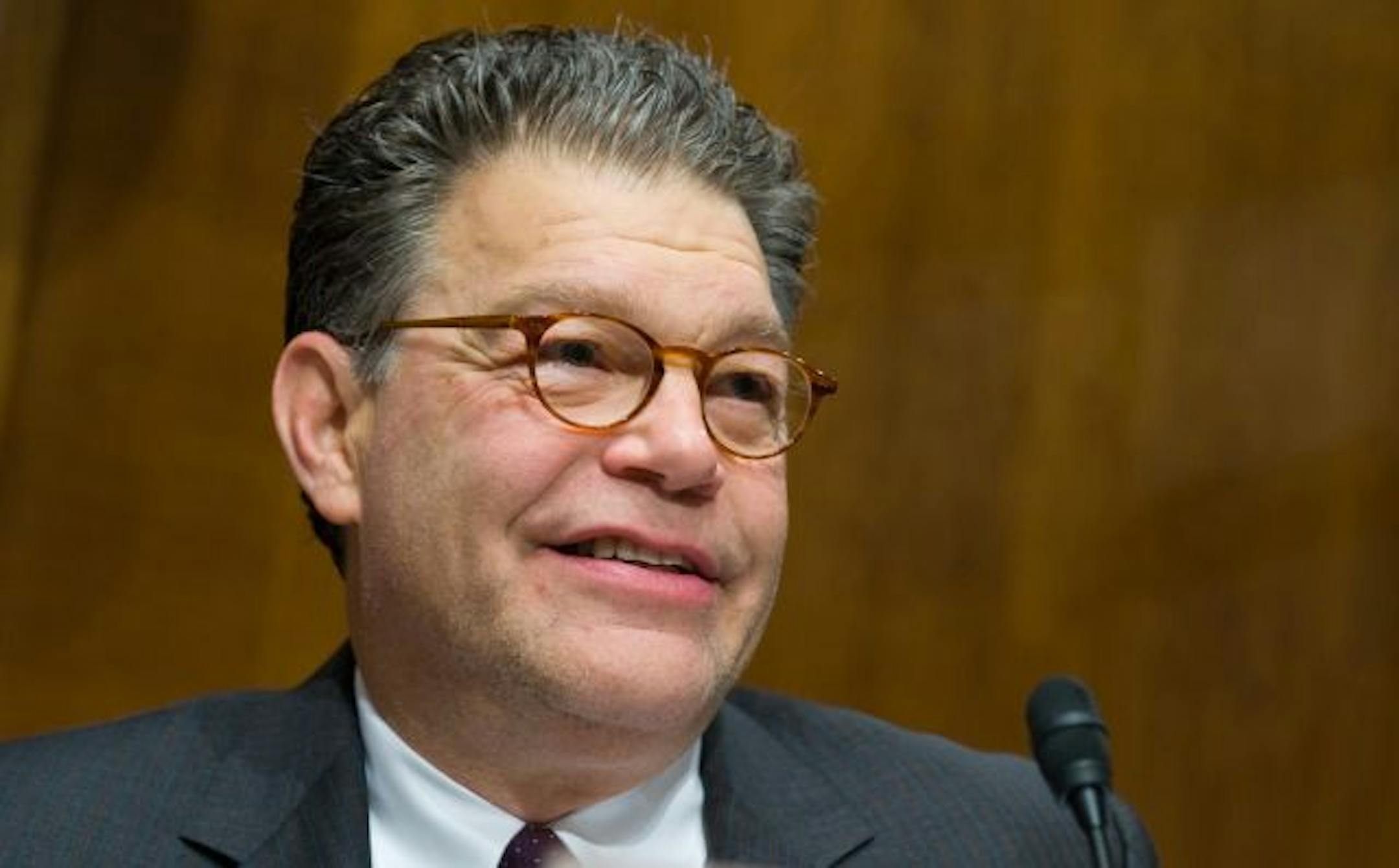
An amendment to the Senate health bill that was a bit of a coup for Minnesota Sen. Al Franken and West Virginia Sen. Jay Rockefeller would change the way a lot of insurers do business.
But not in Minnesota.
The amendment requires insurers to spend at least 85 percent of premiums from large group policies on medical care, as opposed to profits, marketing or administrative costs.
For small groups and individuals, insurers would have to spend 80 percent on medical care. Insurers who don't meet those targets must give policyholders a rebate.
However, most Minnesota health plans, dominated by not-for-profit groups, already are there.
"We don't think it will have much of an impact," said Donna Zimmerman, vice president of government and community relations for HealthPartners, the state's third biggest health insurer. "We already have some of the lowest administration fees throughout the country."
Minnesota plans already pay out 85 to 90 percent of premiums in medical costs, Zimmerman said.
The ratio of medical costs to premiums is commonly known as "medical loss ratio" or MLR because it is what insurers "lose" to medical costs. State law already requires an MLR of 72 percent for individuals and 82 percent for small groups.



