

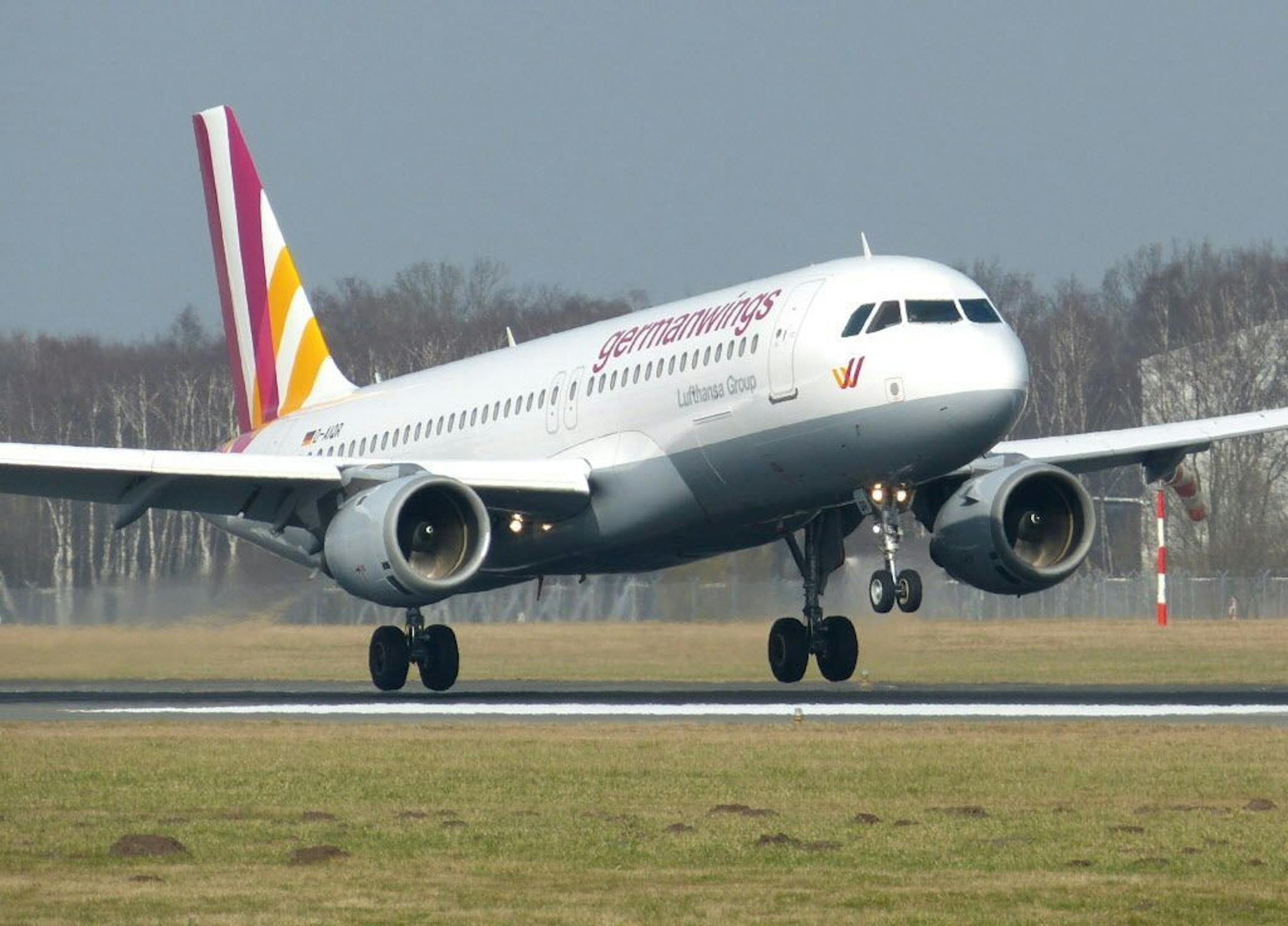
So it looks deliberate. On Thursday morning, French prosecutors said their working theory is that the co-pilot of Germanwings Flight 9525 deliberately crashed the plane into the Alps on Tuesday. The news comes hard on the heels of Wednesday night's chilling report from the New York Times that the captain had left the cockpit and was unable to get back in. The Times story quoted an official involved in the investigation:
"The guy outside is knocking lightly on the door, and there is no answer," the investigator said. "And then he hits the door stronger, and no answer. There is never an answer."
He said, "You can hear he is trying to smash the door down."
Now here's Wednesday's statement from prosecutor Brice Robin:
The co-pilot through voluntary abstention refused to open the door of the cockpit to the commander, and activated the button that commands the loss of altitude.
The co-pilot's intention, Robin said, was "to destroy the aircraft." He was alive at the moment of impact.
The chilling part is that the theory, if true, illustrates the ease with which the very devices created to make flights safer can be turned against their purpose. One of the pilots left the cockpit for perfectly innocent reasons, and then, when the emergency arose, couldn't get back in because the security design worked against him.
Since the Sept. 11 attacks, federal law has required that the cockpit be protected by "a rigid door in a bulkhead between the flight deck and the passenger area to ensure that the door cannot be forced open from the passenger compartment." The door must "remain locked while any such aircraft is in flight except when necessary to permit access and egress by authorized persons." The door may be unlocked with a key, but they key may not be possessed "by any member of the flight crew who is not assigned to the flight deck." Most airlines around the world comply with those U.S. rules.


