

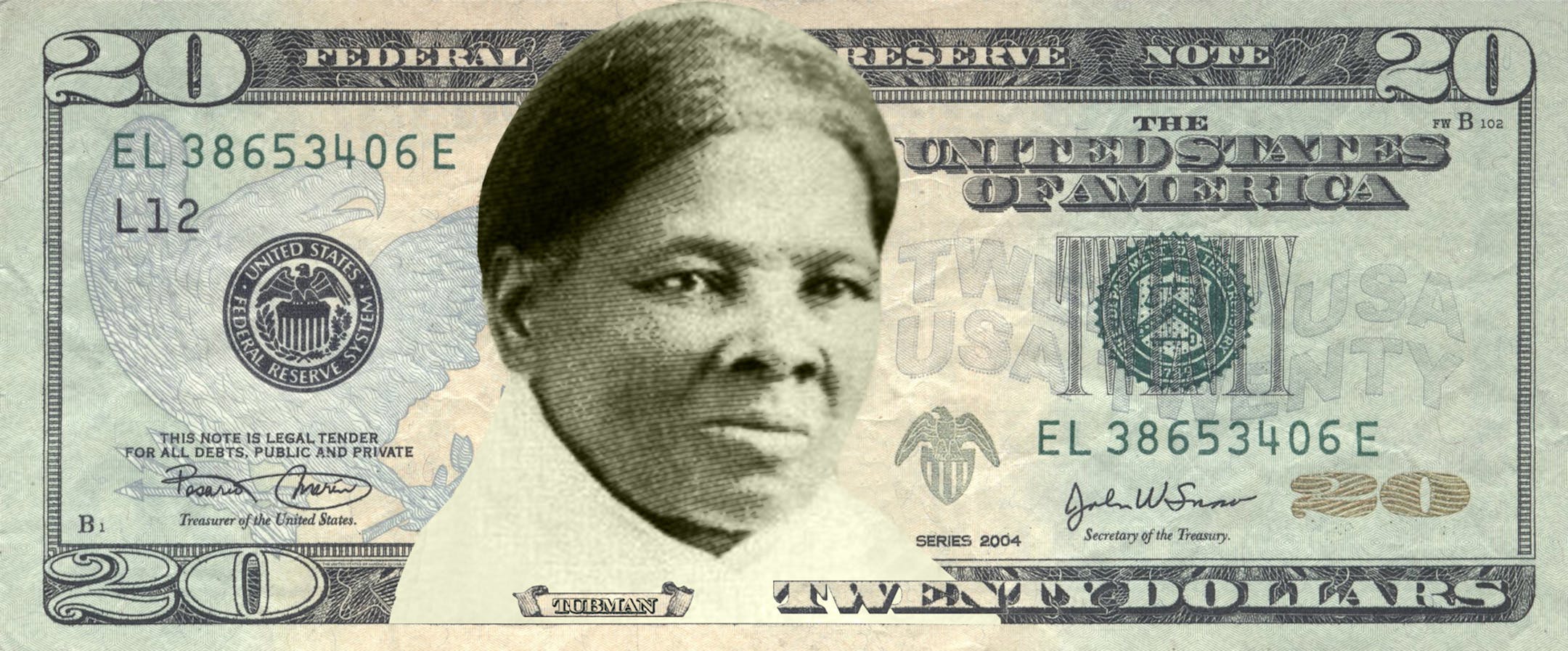
In announcing that the Biden administration was resuming efforts to put abolitionist Harriet Tubman on the $20 bill, White House press secretary Jen Psaki said, "It's important that our money reflect the history and diversity of our country."
While liberals bask in the blinding glow of superficial identity politics, patting themselves on the back for replacing villainous former President Andrew Jackson, conservatives can also celebrate this choice. They can do that by looking beyond Tubman's color to celebrate her beliefs, her life and her deeds.
For instance, faith was everything to Tubman. Called "Black Moses," Tubman would fit into the mold of an evangelical Christian today. She would probably be shocked at modern liberal assertions that Christianity is to blame for promoting racism, bigotry and white supremacy.
Tubman's faith emboldened her to risk everything to aid escaped slaves, and inspired her to recognize the dignity in every life. She talked to God, and said he talked back (something former Vice President Mike Pence was mocked for saying). She said the Underground Railroad was not her idea, but rather divine inspiration from the Lord.
A century later, that same type of faith inspired the Rev. Martin Luther King Jr. Sadly, our current culture castigates those who claim to trust God.
While Tubman did much on her own, she also had help from fellow Christians, most of whom were white. The role of Quakers and other Christian abolitionists — acting according to the convictions of their faith — is often downplayed by historians. But the Quakers were fierce in their belief in God, and they wholeheartedly believed slavery was incompatible with the gospel. They believed this so fervently that they risked physical harm, criminal charges, and loss of property and life to defy governments supporting such unjust policies.
In working with those people, Tubman was colorblind in a way many of today's race-obsessed activists could never understand.
In her forays into the South, Tubman was also armed. That should be no surprise given who and what she was up against. For her, guns were a means of achieving and preserving liberty. If she were alive today, she might compare those angling to take away constitutional freedoms such as gun rights with those who wanted to force her back into slavery.


