

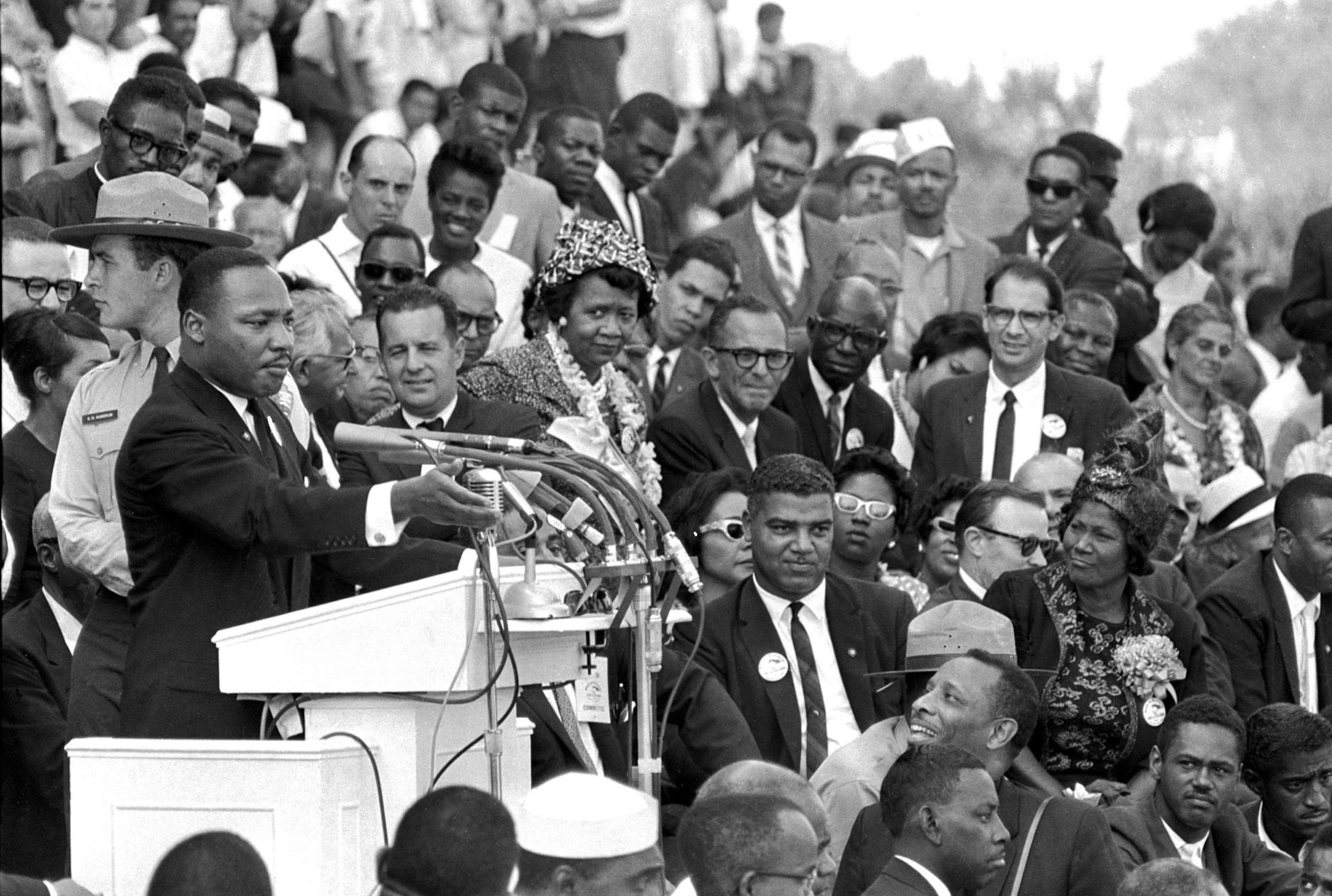
"We have fought hard and long for integration, as I believe we should have, and I know that we will win."
— The Rev. Martin Luther King Jr.
Racism was as integral a part of our lives in the 1960s as baseball, Mickey Mouse, TV westerns or vacations at the lake.
I grew up in a white suburban middle-class neighborhood, just like the town where Dick and Jane lived in our elementary school readers: No African Americans.
The only African Americans I knew about were major league baseball players whom my uncles mocked at family barbecues. So I grew up thinking that Larry Doby was a terrible player. When one of my brothers dropped a ball, we called him "Larry Doby." The same Larry Doby who is in baseball's Hall of Fame.
Before I ever met an African American, I repeated N-word jokes I heard from friends who'd heard them from their elders. So that when I finally encountered Black people on a city bus or at the shopping mall, I viewed them with a mix of pity and caution.
At St. Bernadette's grammar school, no one disabused me of these notions. Not the Dominican nuns. Not the priests.
What we learned in our religion class or in our paperback catechism about loving thy neighbor and thy enemy, constituted my first lesson in critical thinking: Comparing what was written in those texts and in the Bible to the talk and behavior of everyone I knew told me that the books were fiction and did not apply to real life. The church, I inferred, promised you heaven if you donated on Sunday and paid lip service to its doctrines without having to abide by them.


