It does a Capitol veteran good to see a rookie legislator grab a complicated issue, hustle around the state to learn about it at hearings, and come up with a fresh problem-solving proposal.
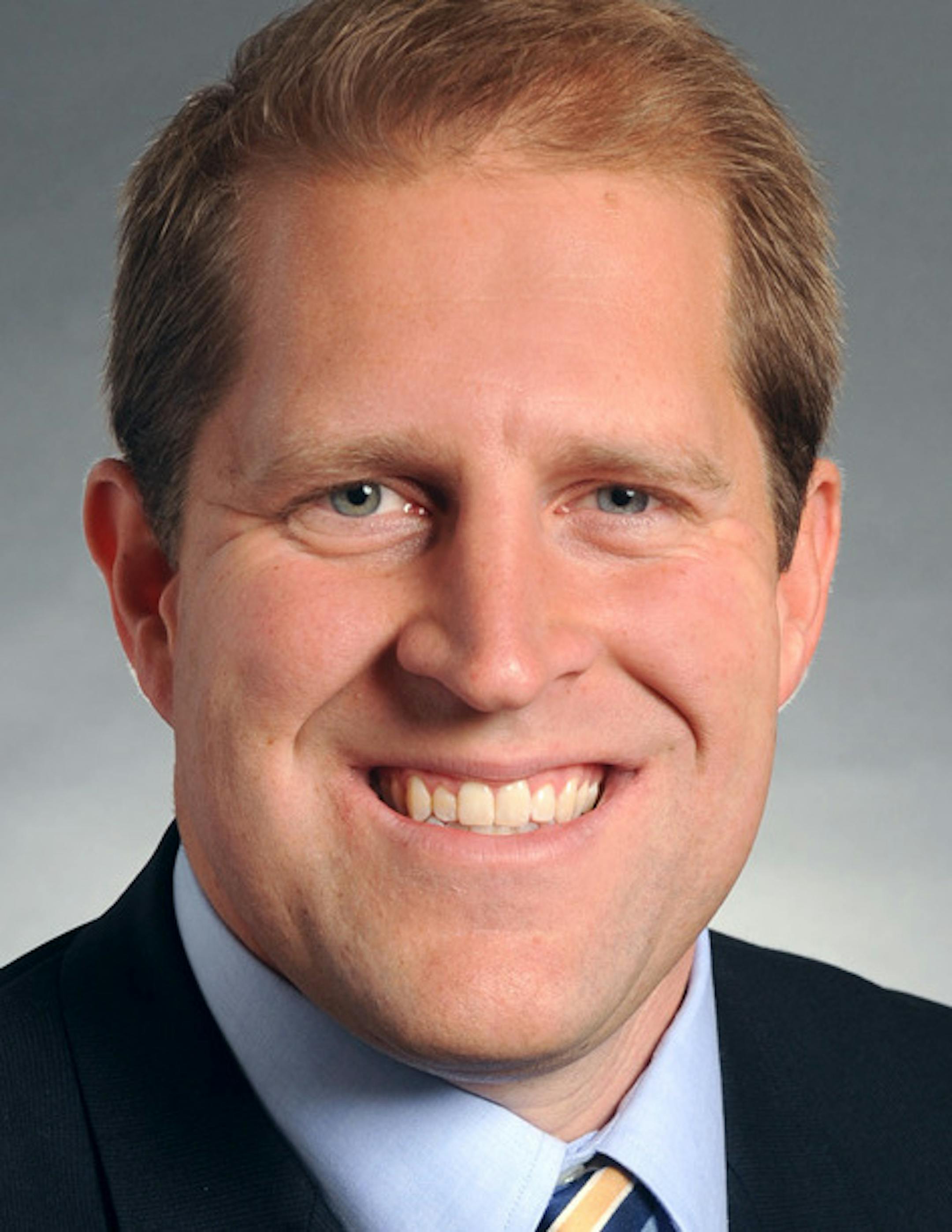
But when Sen. Matt Schmit, DFL-Red Wing, told me two months ago that his idea to bring better Internet service to Greater Minnesota involved the creation of a $100 million matching fund, I nearly choked stifling a hoot.
A hundred million? In cash? Nobody gets that much. Certainly not a freshman. Mighty Minneapolis is going to have a tough time getting one-fourth that sum for its prized Nicollet Mall in this year's bonding bill.
But then Schmit said something about broadband being the 21st century's version of rural electrification and his proposed fund a philosophical descendant of the REA, and my cynicism began to melt into memories.
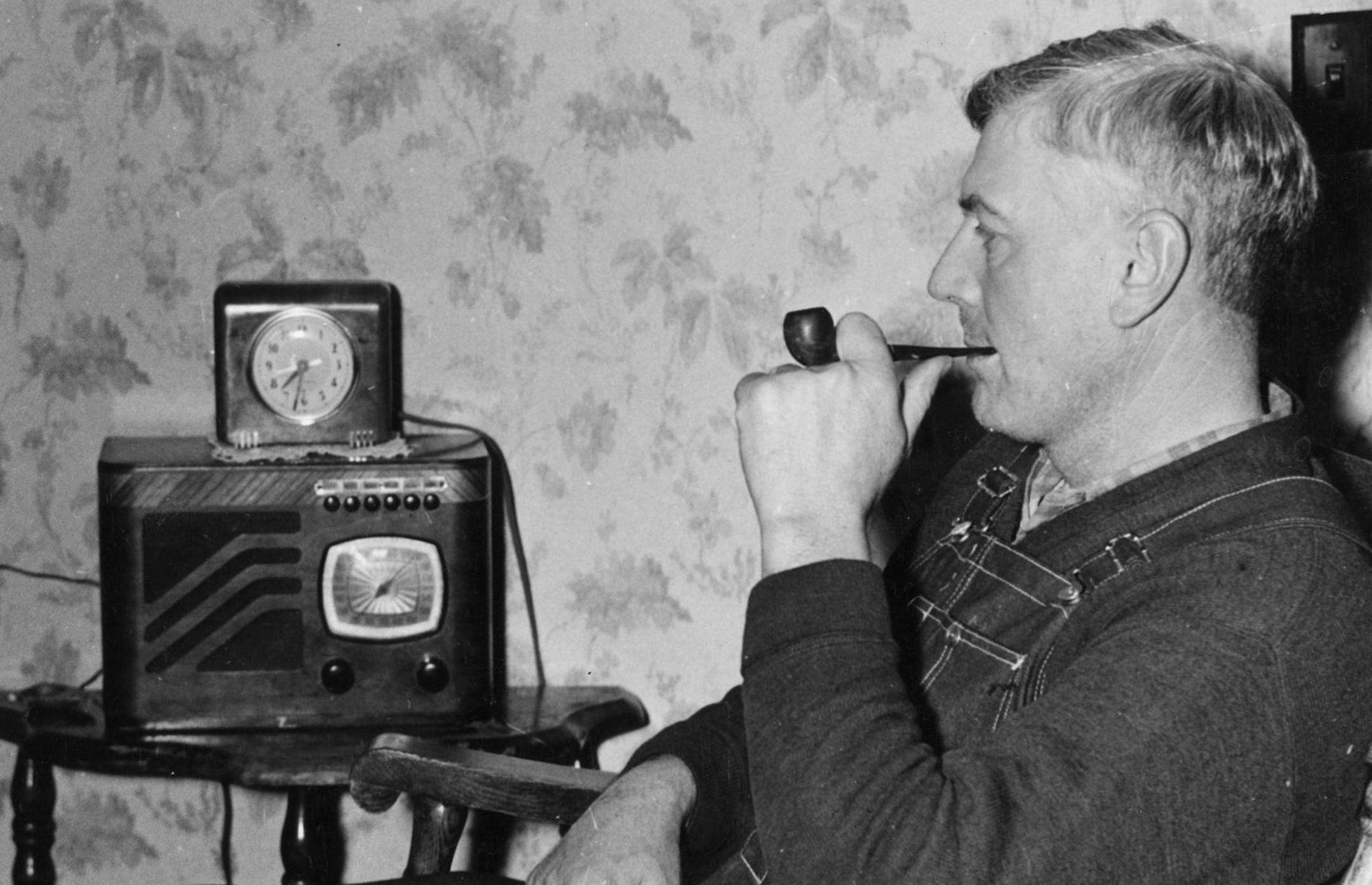
Grandma spoke often about the day in the 1940s when electricity finally came to the farm in South Dakota and she could end her daily ritual of washing the kerosene lamp's sooty glass chimney. (It needed frequent washing to provide enough light for a few cherished minutes of reading after a long day of chores.)
The Rural Electrification Administration, created by Congress in 1935, demonstrated the value of government intervention in the private marketplace for the sake of economic viability in rural America. It provided a legal mechanism and loan financing for the establishment of cooperatives that would affordably bring electricity to the nation's farms. Electrical service had reached only 10 percent of the rural dwellers in 1930. As a result of REA, it was 50 percent in 1942 and nearly all of them a decade later.
Electricity on the nation's farms was about a lot more than lights. Eventually, it was about milking machines, water pumps, choppers, refrigeration. It powered heat lamps for Grandma's broods of baby chicks.
By the same token, high-speed Internet in Greater Minnesota isn't about entertainment. It's about participation in the modern economy — agriculture, manufacturing, retail, health care, education. In every realm, robust, affordable Internet service is now essential infrastructure. As of last year, fewer than half of Greater Minnesota dwellers had it.