
Google and Amazon on a collision course

The firms are increasingly fighting for seekers and shoppers of information and goods.

September 9, 2014 at 10:59PM
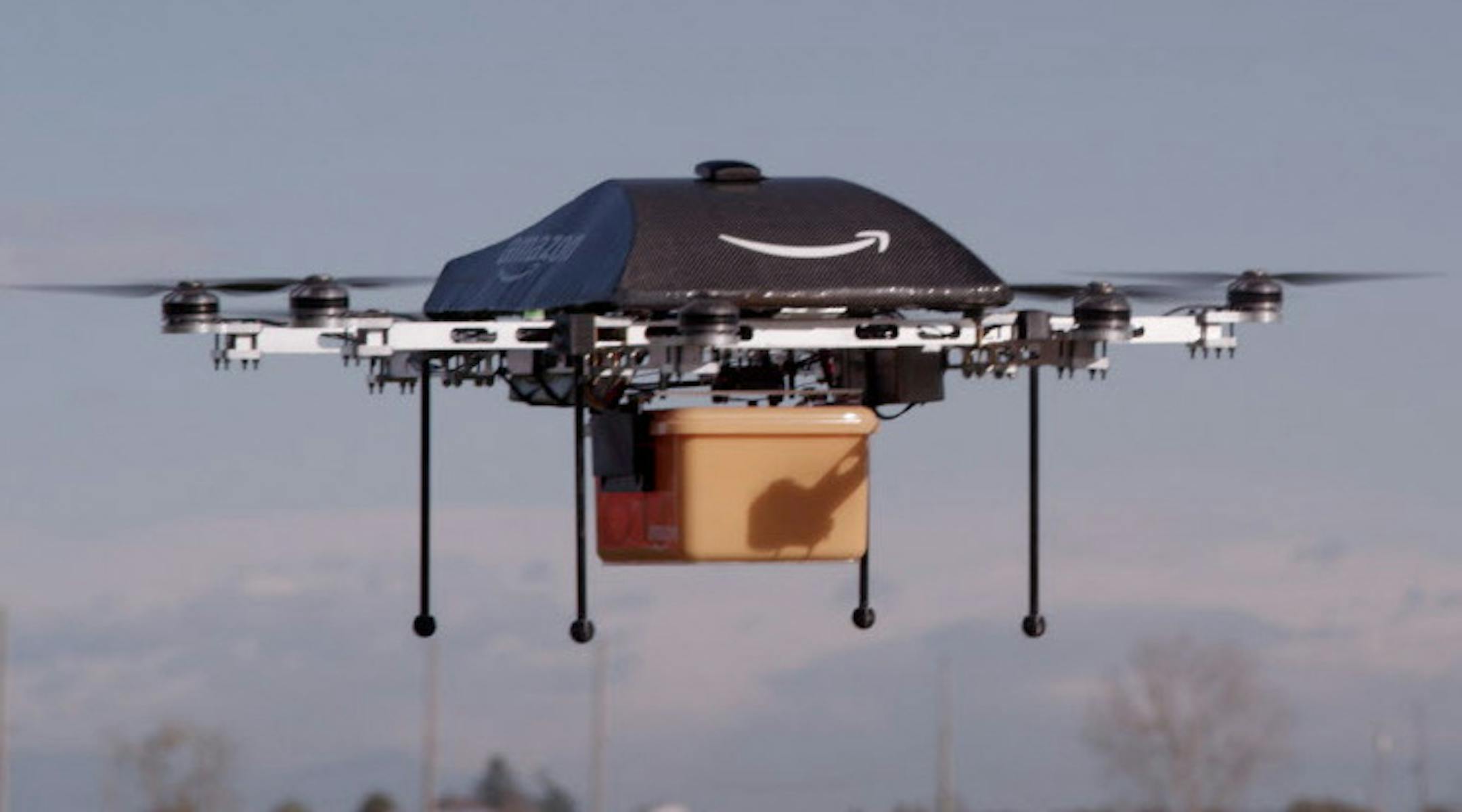
The Amazon.com Inc. Prime Air octocopter is seen at an undisclosed location in this undated handout photograph released to the media on Monday, Dec. 2, 2013. Amazon.com Chief Executive Jeff Bezos said the world's largest e-commerce company is testing drones to deliver goods, as it works to improves efficiency and speed in getting products to consumers. Source: Amazon.com Inc. via Bloomberg EDITOR'S NOTE: NO SALES. EDITORIAL USE ONLY
The Amazon.com Inc. Prime Air octocopter is the competition for Google’s Project Wing drone. The two companies are entering even tougher competition as technology moves forward. (The Minnesota Star Tribune)

It was a tech industry tit for tat: First came word that Amazon is paying $1 billion for a video game streaming company Google had pursued. Three days later, Google announced a major effort to build aerial drones capable of delivering packages, something that Amazon has been conspicuously working on, too.

While Google competes with a number of tech rivals, the recent dueling announcements show the Mountain View, Calif., Internet giant and the Seattle e-commerce goliath are stepping on each others' toes with growing frequency, as they expand into new businesses from smartphones to streaming video, cloud computing and, most of all, digital advertising and online shopping.

Google and Amazon "are headed straight for the same destination. Each wants you to think of them first when you have any kind of need in the future," said James McQuivey, a tech industry analyst at Forrester Research.

At first glance, the two companies seem very different. Google makes most of its money by selling advertising. Amazon sells books, videos and all kinds of consumer goods.

But those businesses overlap: Google wants you to use its search engine when you are looking for places to buy Bluetooth speakers or hiking boots, so it can show you paid ads for those products. But studies show more shoppers are now using Amazon to search for products sold by the online retailer and its partners.

"The question is, where do consumers start when they are looking to buy online? Google was dominant for a long time, but Amazon has taken some of that over," said Scot Wingo, CEO of ChannelAdvisor, a company that helps retailers manage their online ads.

Some analysts say Amazon has gained an edge as consumers increasingly use smartphones and tablets. Shoppers who are signed into Amazon's mobile app can search for products and make purchases with a few clicks, without the laborious process of typing their shipping and billing information on a tiny screen.

Google has fought back by promoting what it calls Product Listing Ads, which appear in search results as boxes containing photos, prices and even user reviews, along with links to the retailer selling that product. Those ads are proving especially effective in convincing customers to click — and purchase — on mobile screens, said Matt Ackley of Marin Software, a digital ad management firm.
The battle has expanded as both companies woo shoppers by offering convenient electronic payment and same-day delivery in some cities.

Both are also competing to sell digital entertainment, such as streaming video, downloadable music and e-books.

"Amazon and Google are in a dogfight for the hearts and minds and wallets of the online shopper," Wingo said.

Google doesn't say how much of its nearly $60 billion in yearly revenue comes from retail advertisers. But it acknowledges they are a key segment, which Wingo estimates may account for more than a third of Google's ad sales. Amazon had $74 billion in revenue last year, although its cost of goods and other expenses are so high that its profit was a paper-thin $274 million. Google's profit was nearly $13 billion.

The two companies are also competing outside their core businesses.

The Wall Street Journal reported that Amazon, which already sells digital ad space to retail partners, is building its own software that mimics Google's ability to show ads tied to the keywords that shoppers type when they search for a product.

Amazon has even entered the mobile computing business, with Kindle tablets and a new Fire phone. Google promotes its Android operating software for smartphones and tablet so people will use its search engine and other ad-supported services. Similarly, despite reports that Fire phones aren't selling well, McQuivey said Amazon may find them valuable for testing new apps and tracking users' shopping habits.

And now both companies are touting the notion of using unmanned flying drones for deliveries.

"It looks like science fiction, but it's real," Amazon says on its website, which promises "we'll be ready" to offer aerial deliveries next year, if government authorities allow them.

That's unlikely. Most experts say it will take several years to refine the technology and the federal safety rules needed for commercial drone deliveries. Google has echoed those cautions, though it says drones could someday deliver disaster supplies or consumer packages.

Amazon struck a more immediate blow with its $1 billion deal to buy Twitch.tv, a popular video-game streaming service. Google wanted to add Twitch to its YouTube video platform. Analysts say Twitch commands a big audience of young gamers, male and female, who are desirable ad targets.

As both companies build out their online services, they're also competing in a lucrative side business of commercial cloud computing, by leasing surplus data-center capacity and services. Companies that don't want to build their own centers can put data, apps or websites on "clouds" operated by Google and Amazon.

While neither company releases figures, Bernstein Research analyst Carlos Kirjner estimates Amazon's cloud computing business will bring in nearly $7 billion in revenue next year from customers including start-ups, big corporations and services like Netflix and Instagram.

Google's cloud service is newer and smaller; tenants include the popular Secret and Snapchat apps.

Tech observers say these battles are part of a bigger trend: Major Internet companies are all competing to provide a wide range of services in the hope that consumers won't switch to a rival company.

"These very big companies — Amazon, Google, Apple, Facebook — are all bumping into each other in different ways, as they get bigger and invest in different kinds of businesses," said Scott Kessler, Internet stocks analyst at S&P Capital IQ.

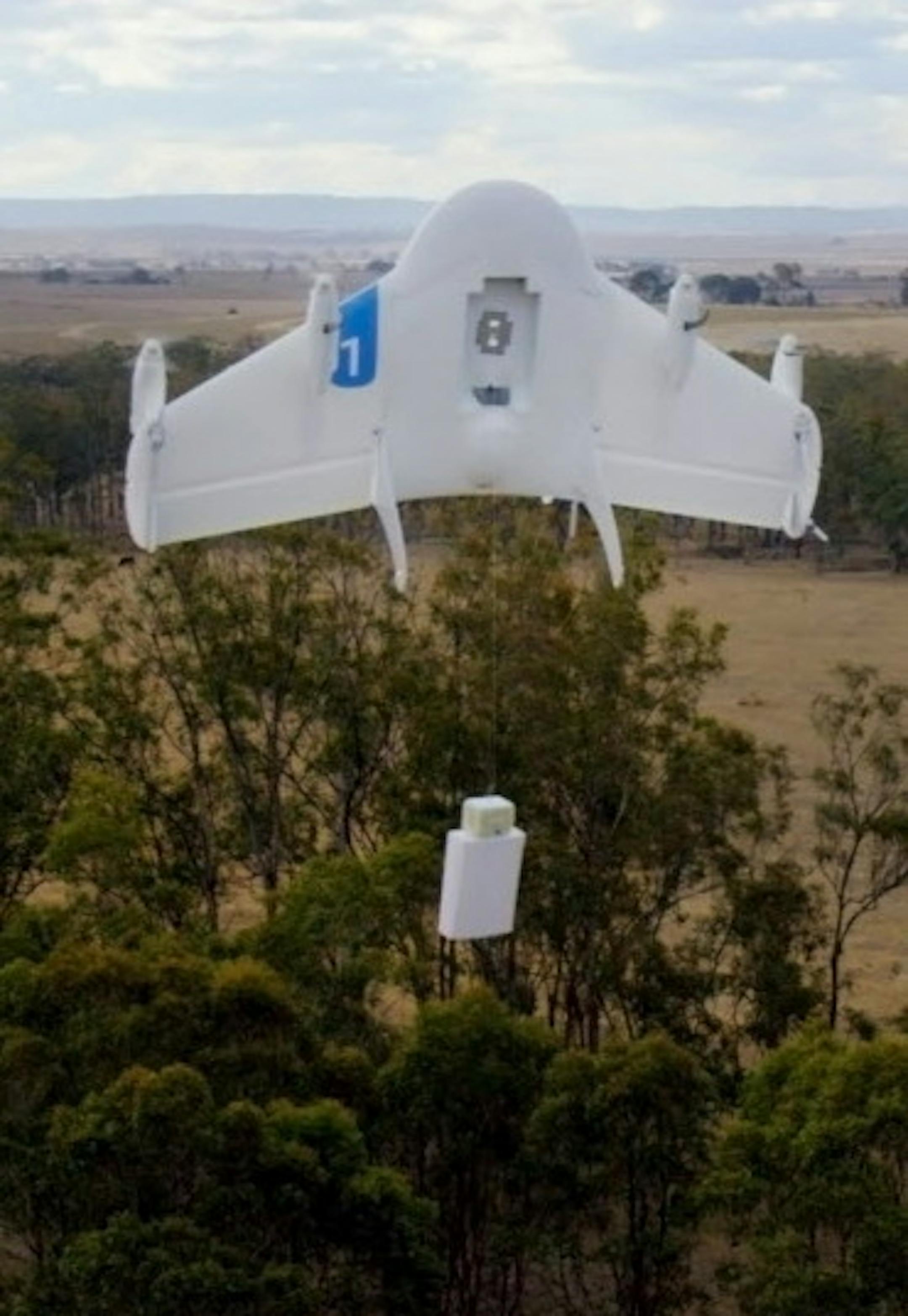
This undated image provided by Google shows a Project Wing drone vehicle during delivery. Google's secretive research laboratory is trying to build a fleet of drones designed to bypass earthbound traffic so packages can be delivered to people more quickly. The ambitious program announced Thursday, Aug. 28, 2014, escalates Google's technological arms race with rival Amazon.com Inc., which also is experimenting with self-flying vehicles to carry merchandise bought by customers of its online store.
Google’s Project Wing drone escalates the technological arms race with Amazon.com, which also is experimenting with self-flying vehicles to carry merchandise bought by customers. (The Minnesota Star Tribune)
about the writer

about the writer

Brandon Bailey, San Jose Mercury News

More from Business

See More
card image
Aaron Lavinsky/The Minnesota Star Tribune

As the end of the year nears, look back at the volatile times and the financial choices you made during them.

card image
