

My interest in gardens began decades ago while watching my father grow a single tomato plant every summer and my mother sneaking over to neighbors to snip lilacs. When my wife and I first became homeowners, I struggled growing pretty much anything except for a few herbs in pots because of the limited sunshine — limited until the elms became infected, necessitating removal.
The garden looks good these days aside from the weeds and the need to compete with rabbits who thrive on much of what I plant in spite of all of those "remedies." I've heard that the climate-change-evoked warming trends provide bunnies with an extra reproductive cycle. Where's a good fox when you need one?
Last year, through a random circumstance, I began volunteering with a group of gardeners under the auspices of the Men's and Women's Garden Club of Minneapolis. Though I knew just one of the other dozen members, this group welcomed me with open, albeit soil-covered arms. I quickly realized that these people had a vast plant-related intellect and that my place was appropriate: digging holes, weeding, hauling and spreading mulch. Yet, as weeks went on and with the assistance of my new friends, I found myself able to look at plantings with better knowledge and vision. Close-up as well as more distant observation provided me with a better ability to assimilate spaces in my mind and an idea of being more creative and appreciative and thoughtful.
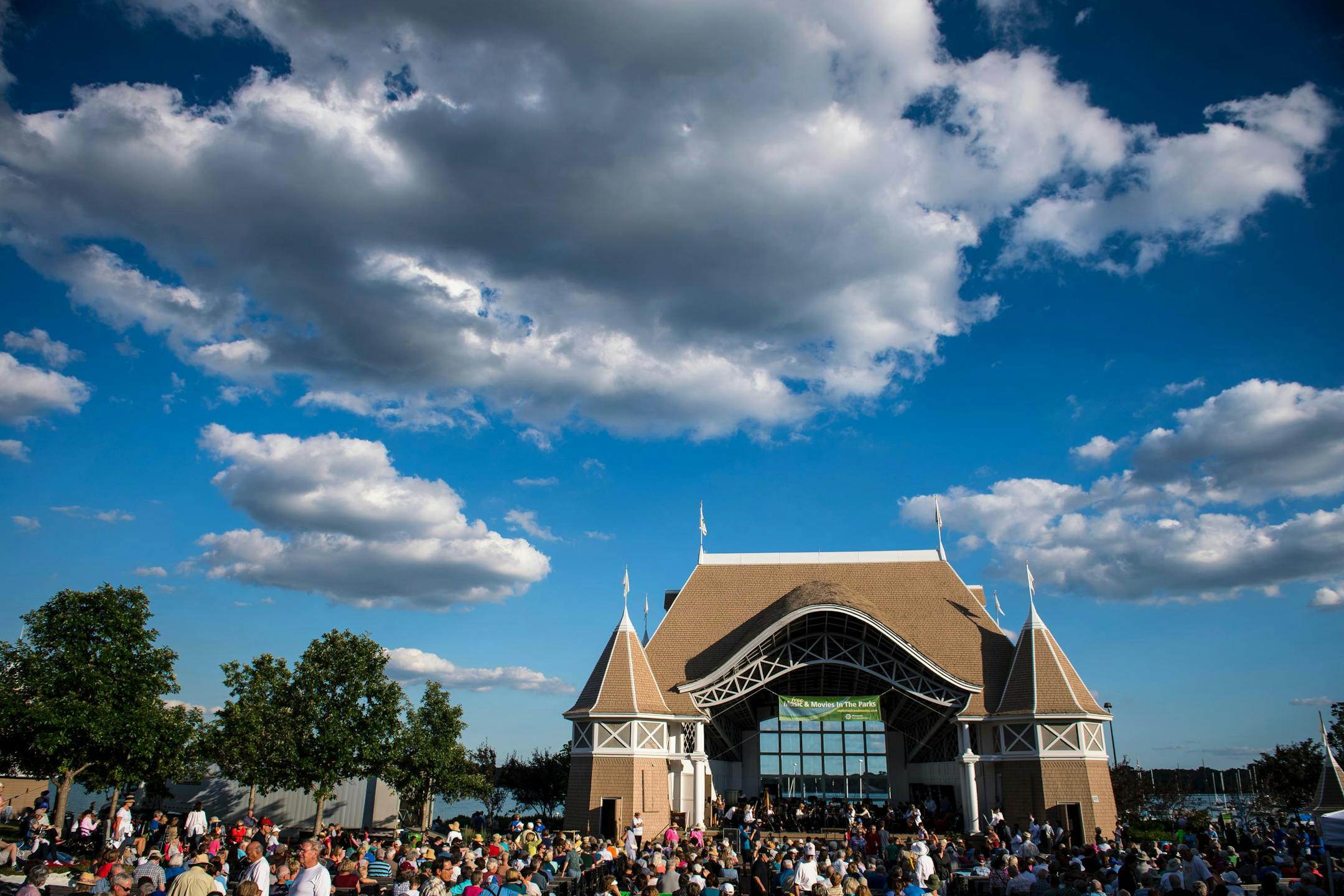
At the end of the season and with some fantasy, I applied for and then received a grant from a private foundation dedicated to horticultural projects in Minneapolis. My notion was to improve what I perceived as an eyesore just beyond the Lake Harriet bandstand eating area, an area of mowed crabgrass punctuated by two small humps.
Several times during the winter, meetings with two of the other volunteer club members — garden designers in addition to being gardeners — eventuated in a workable and sustainable plan. A few things remained: ordering plants and shrubs and arranging delivery and payment; assembling a "workforce" of new volunteers (family, friends and neighbors); and planning both when to start digging and how to translate a design into reality. Each time I looked at the area through the fall, winter and spring, it seemed to increase in size.
If you walk by this area now, you will see that it is thriving and will evolve into something truly gorgeous in a year or two or three. Thanks to the Park Board, we have been well-supplied with mulch, wood chips for a path, and the ability to water.
There are a number of lessons here, well beyond the restoration of a greenish space to something more appealing.
There was a willingness well beyond camaraderie among the crew. People enjoyed the digging of the area, although none of us could imagine how many rocks lay beneath the surface. Planting was part of a creative and artistic effort. Conversations took place among people who had never previously met. Connections, uncanny ones at times, were made. We sweated some, got our hands dirty and we were outside. Passersby asked questions and complimented and said thank you. We continue to work periodically. This micro-community has become a microcosm of something, hopefully larger, having taken ownership over a small parcel of the ground.


