

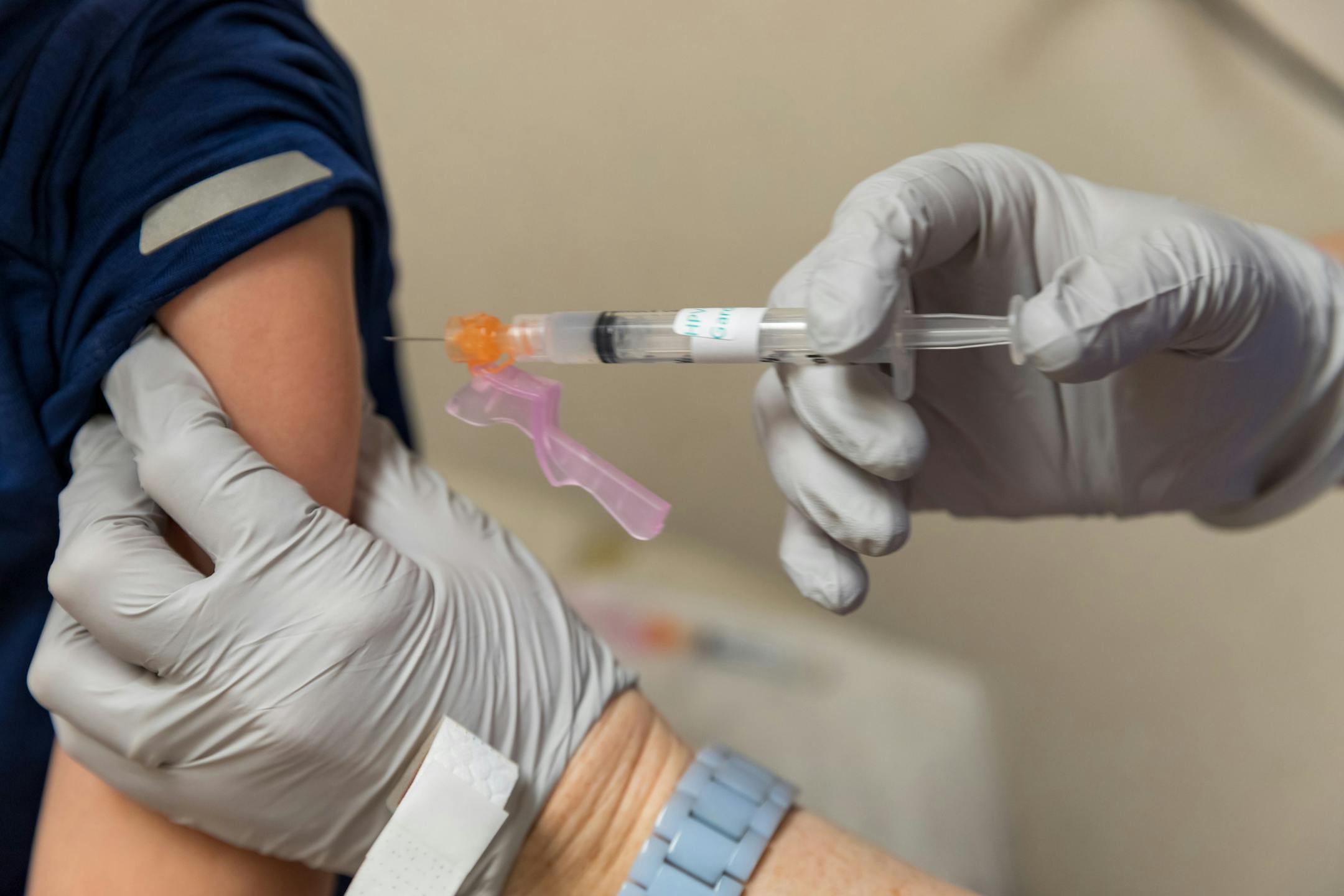
The good news is that safe and effective vaccines from Moderna and Pfizer are on the way soon and that more are likely to follow.
The bad news is an usual combination: There won't be enough vaccine on hand to meet initial demand, yet there is also a need to urge everyone to get shots.
I have some suggestions: An unusual type of charity auction, a bit of technology and a few nudges can help.
Who's first?
The problem that needs to be addressed quickly is how to allocate the roughly 20 million (two-dose) vaccinations that may be available in the U.S. in December and January. Although states will be given the final authority, a Centers for Disease Control and Prevention panel recommends that the initial distribution go to two groups — front-line health care workers and residents of nursing homes, where a disproportionate number of COVID-19 deaths have occurred.
These groups are worthy, but many others deserve high priority as well. These include teachers, food workers, people with comorbidities and those over 65. The dilemma is that as many as 140 million people may be in one or more of those categories, and even if everything goes smoothly, it will take well into the spring before they can all be vaccinated.
Given that supply chains strained to keep up with the demand for mundane goods like flour and paper towels early in the pandemic, the distribution of vaccines won't be easy.
All this means that demand will exceed supply for quite a while.
Economic theory offers a standard prescription for dealing with shortages. It is, basically: Let markets work. This would mean that those willing to pay the most would get the vaccine first.


