

When Jason Rogers' Buick Rendezvous blew its exhaust system and became undrivable last year, the cable and internet salesman and weekend songwriter decided he would just take the bus to downtown Nashville from his home 10 miles south.
That 45-minute commute worked until the coronavirus hit U.S. cities starting in February. Then, Rogers said, he started renting cars by the week to avoid catching COVID-19 on the bus and bringing it home to his two children. With rental rates costing him $1,200 a month, the single father said he's now looking to buy a car and stay off public transit.
"I have no interest in getting on the bus or a ride-sharing system unless I'm in a hazmat suit," Rogers said in a phone interview. "I'm very much erring on the side of caution. I know where the car has been and who has been in it."
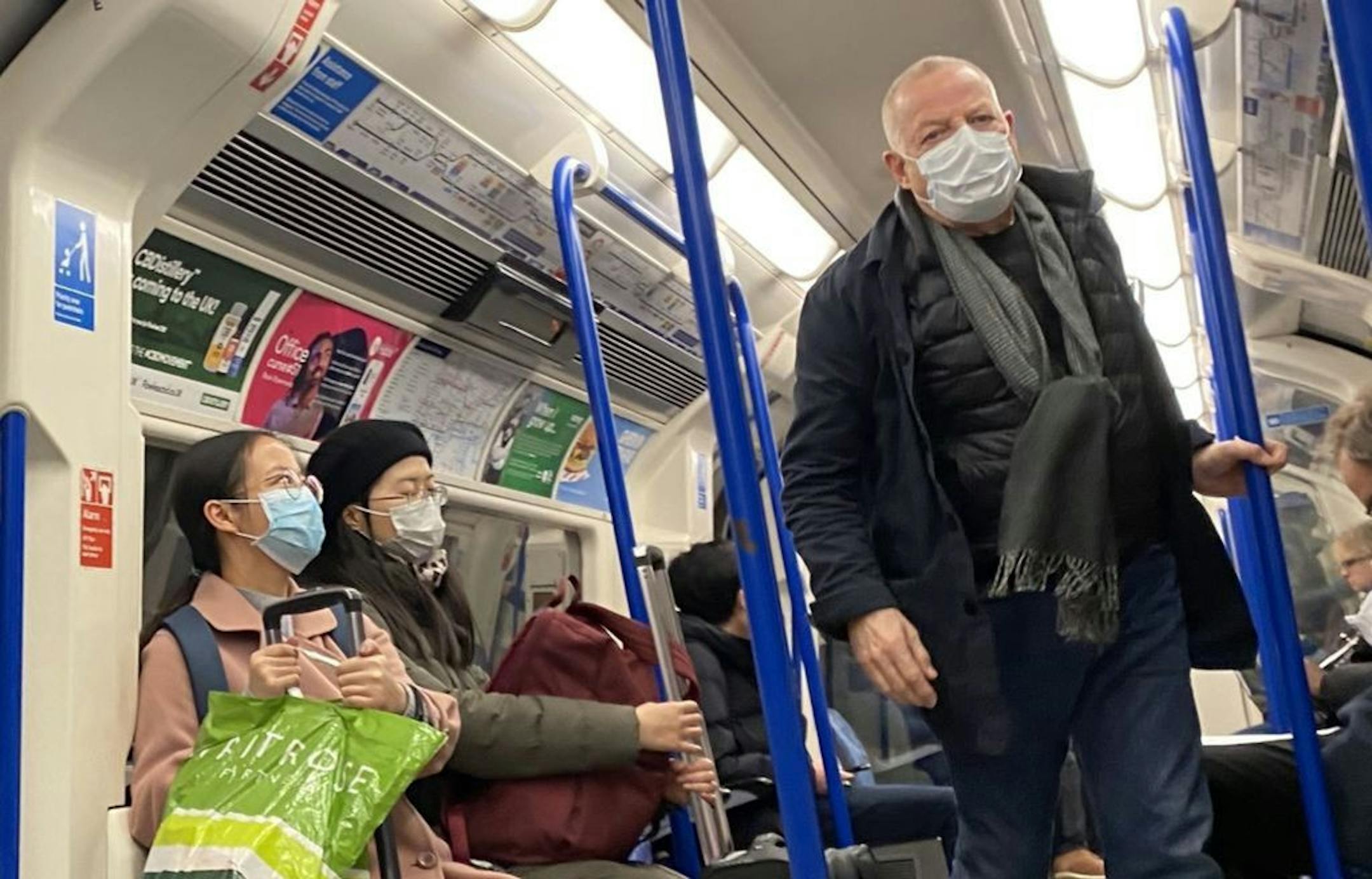
Welcome to newly germophobic America, where people are avoiding other humans and anything they might have touched, including steering wheels, bus railings and car armrests.
The precautions Rogers and others are taking are a glimmer of hope for carmakers and dealers who need depressed vehicle sales to bounce back. They also could prolong the crisis for the sharing economy by leaving public transit providers and companies including Uber Technologies Inc. and Lyft Inc. reeling from a long-lasting dearth of riders.
The auto industry is already seeing a couple of positive signs in this regard. In the first two weeks of April, Cars.com's unique visitors bounced back from late-March doldrums. According to a recent survey by the vehicle-shopping website, 20% of people searching for a car said they don't own one and had been using public transit or ride hailing.
Fear of catching the coronavirus isn't the only reason shared transportation has taken a plunge. Many people are sheltering in place not only out of caution, but because of government-ordered closures of nonessential businesses.
Shutdowns have kept millions of workers at home and hammered public-transit systems, which are now carrying 70% fewer riders than usual, according to the American Public Transportation Association. Uber said in March that it has seen a similar drop and the company scrapped its earnings forecast. Lyft also said its ridership is way down and withdrew guidance.


