

FRANKFURT, GERMANY – It was only a few years ago that some economists were arguing that Europe was "decoupling" from its long dependence on trade with the United States, and predicting that the Continent's future lay with the so-called tiger economies of Asia.
German carmakers, at least, had a different vision of the future.
The recovery in the U.S. auto market, which produced big earnings growth at Chrysler and Ford in their fourth quarter, has also been a boon for Germany's Big Three: Daimler, BMW and Volkswagen.
Their double-digit increases in U.S. sales last year reflected an overall surge in demand by American buyers for European and, above all, German products. Well-designed vehicles and machinery were by far the biggest categories of European exports to the United States.
As a result, overall German exports to the U.S. rose 24 percent in October from a year earlier, outpacing the 18 percent growth for eurozone exports to the United States.
The German companies are cashing in on years of commitment to the United States.
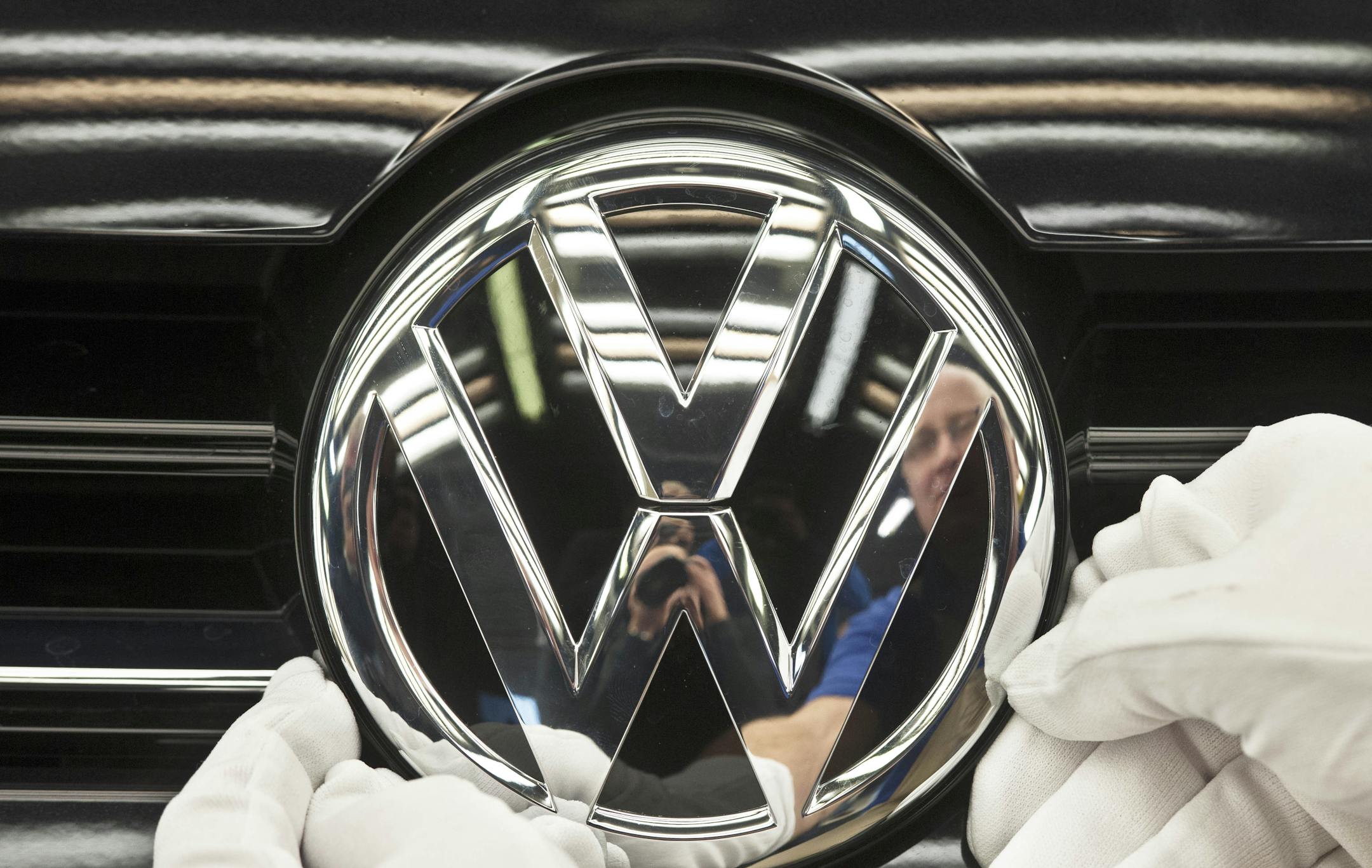
Volkswagen, for example, has invested $4 billion in the U.S. since 2008, building a factory in Chattanooga, Tenn., that began churning out Passat sedans in 2011.
BMW and Daimler's Mercedes-Benz unit have been making sport utility vehicles and other autos in the U.S. since the 1990s: BMW in Spartanburg, S.C., and Mercedes in Tuscaloosa, Ala.


