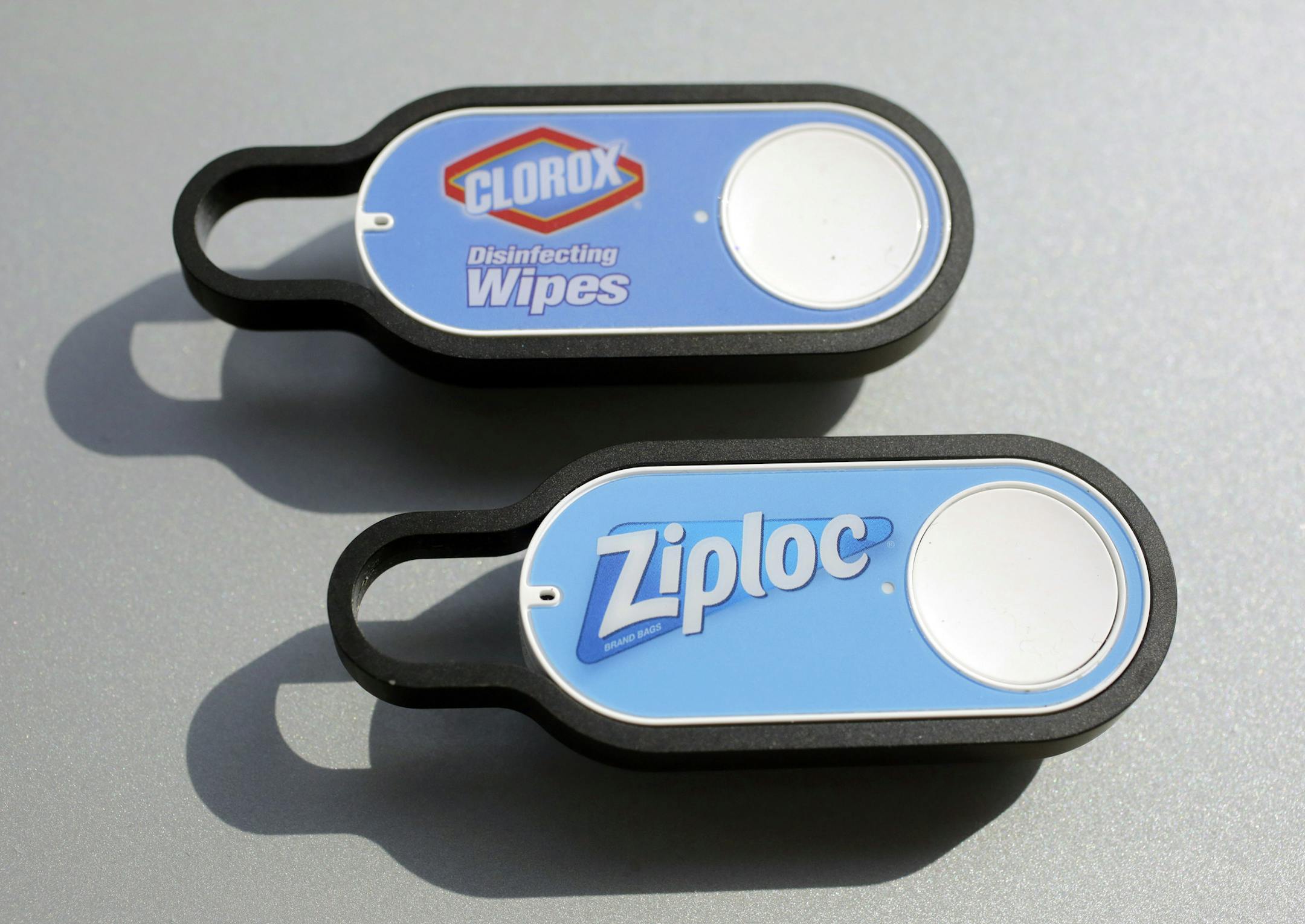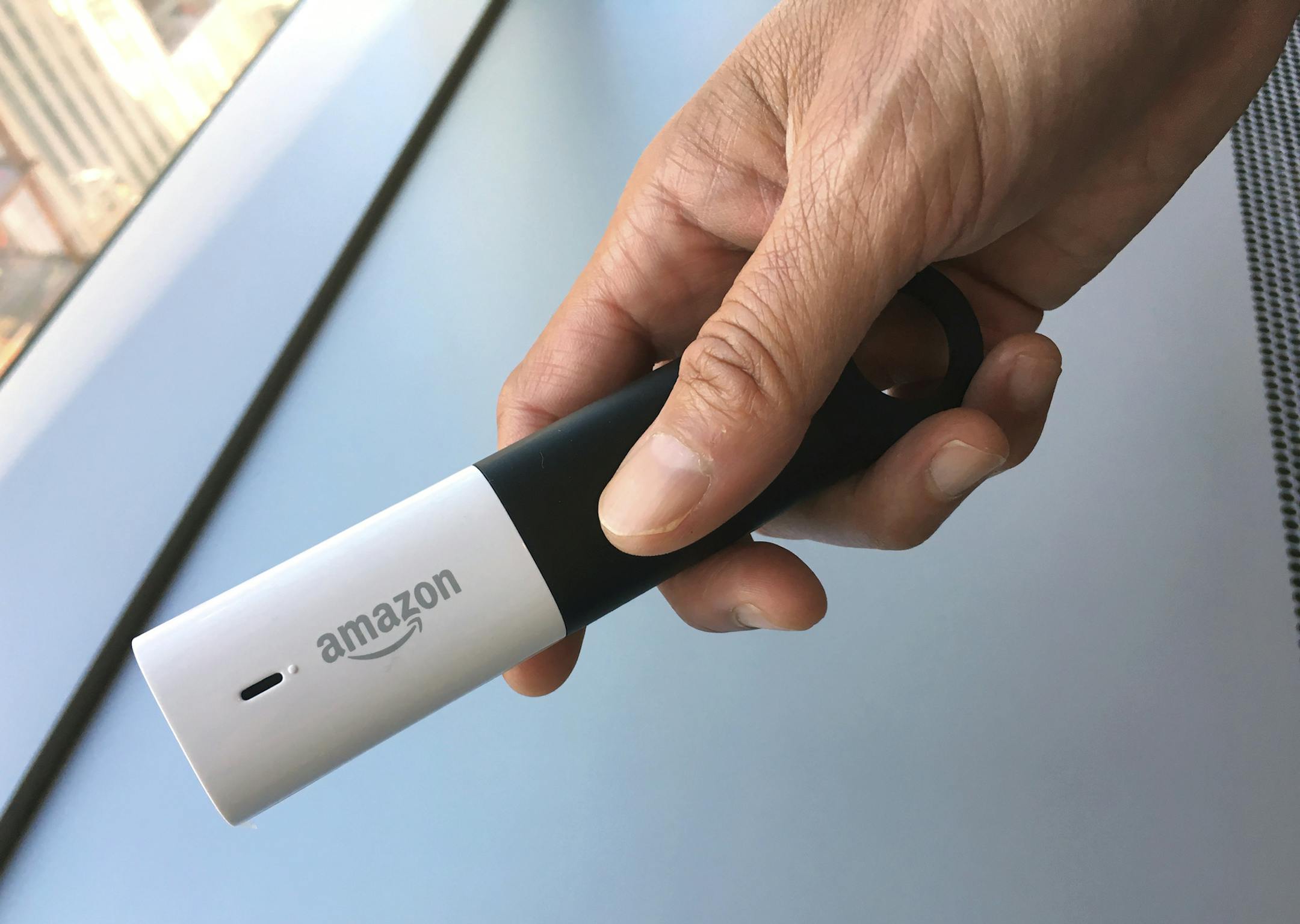
Trillions of dollars of consumer spending have, historically, depended on a few steps. A shopper learns about a product, considers whether to buy it, decides to do so, goes to a shop. If he likes it, he may buy it again. Marketers have long obsessed over each step, and consultants have written treatises on how to nudge people along. E-commerce is already changing the process, but now retailing gurus are imagining a future in which shopping becomes fully automatic.
The idea is that a combination of smart gadgets and predictive data analytics could decide exactly what goods are delivered when, to which household.
The most advanced version might resemble Spotify, a music-streaming service, but for stuff. This future is inching closer, thanks to initiatives from Amazon, lots of start-up firms and also from big consumer companies such as Procter & Gamble (P&G).
Buying experiments so far fall into two categories. The first is exploratory. A service helps a shopper try new things, choosing products on his or her behalf.
Birchbox, founded in 2010, sends beauty samples to subscribers for $10 each month. Imitators have proliferated, offering everything from dog toys to trainers. MySubscriptionAddiction.com, which reviews these services in English-speaking countries, counts 998 new subscription boxes so far this year, up from 284 new ones in 2013. Retailers such as Wal-Mart have followed suit with their own boxes.
The scope for such services, however, may be limited.
One third of those surveyed by MySubscriptionAddiction.com said they canceled at least as many subscriptions as they added this year. Consumers, naturally, will delegate purchases to a third party only when they receive products they like.
In the future, firms that comb purchase histories and search data may be able to send more reliably pleasing product assortments. For now, a consumer who becomes an unwitting owner of toeless socks, which were included recently in a box called FabFitFun, may decline further offers.