

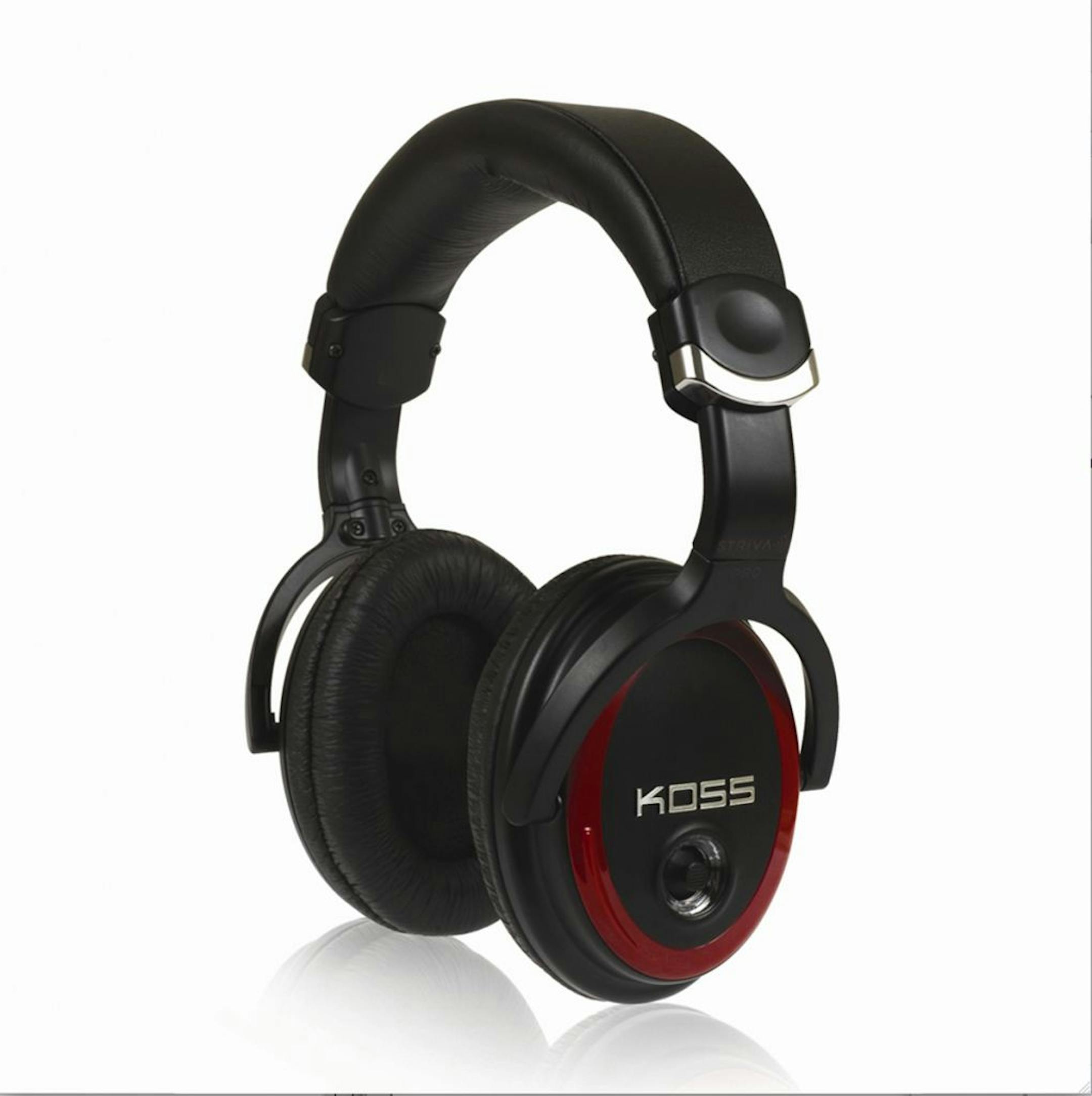
Koss Striva Pro headphones,
$450, www.koss.com
The Koss Striva Pro headphones are a great idea, but it will take some work to make them a great product.
The idea is this: Why not make a wireless headphone that connects by Wi-Fi instead of Bluetooth? It means a connection with better range and better fidelity. You can even listen without a computer; all you need is a network. Brilliant!
The headphones can stream audio from a personal station you set up on the Koss website. It takes the music from a mix of 25,000 free music streams on the Web and pipes them to a server built into the headphones. Alternately, you can stream your own music on a computer or phone.
But then we get to the execution. The setup isn't plug and play. It's plug, unplug, try, replug, try again.
The company said that the headphones were a work in progress, and that new controls, like badly needed bass and treble control, will be added to the MyKoss page.
We'll have to wait and see, but the headphones are still a good idea.
MONSTER TRUCK MODEL RUNS ON A FUEL CELL
Salt Water Fuel Cell Monster Truck, $26, owirobots.com
The Salt Water Fuel Cell Monster Truck is a labor-intensive snap-together model truck with an innovative do-it-yourself battery -- a tiny fuel cell, the same technology that some automakers hope will provide the green future of personal transportation.
The box contains a tiny electric motor, stamp-size sheets of magnesium for power and about 100 snap-together parts. Because all of the parts were molded together, each one must be carefully trimmed, a tedious job that requires extra tools.



