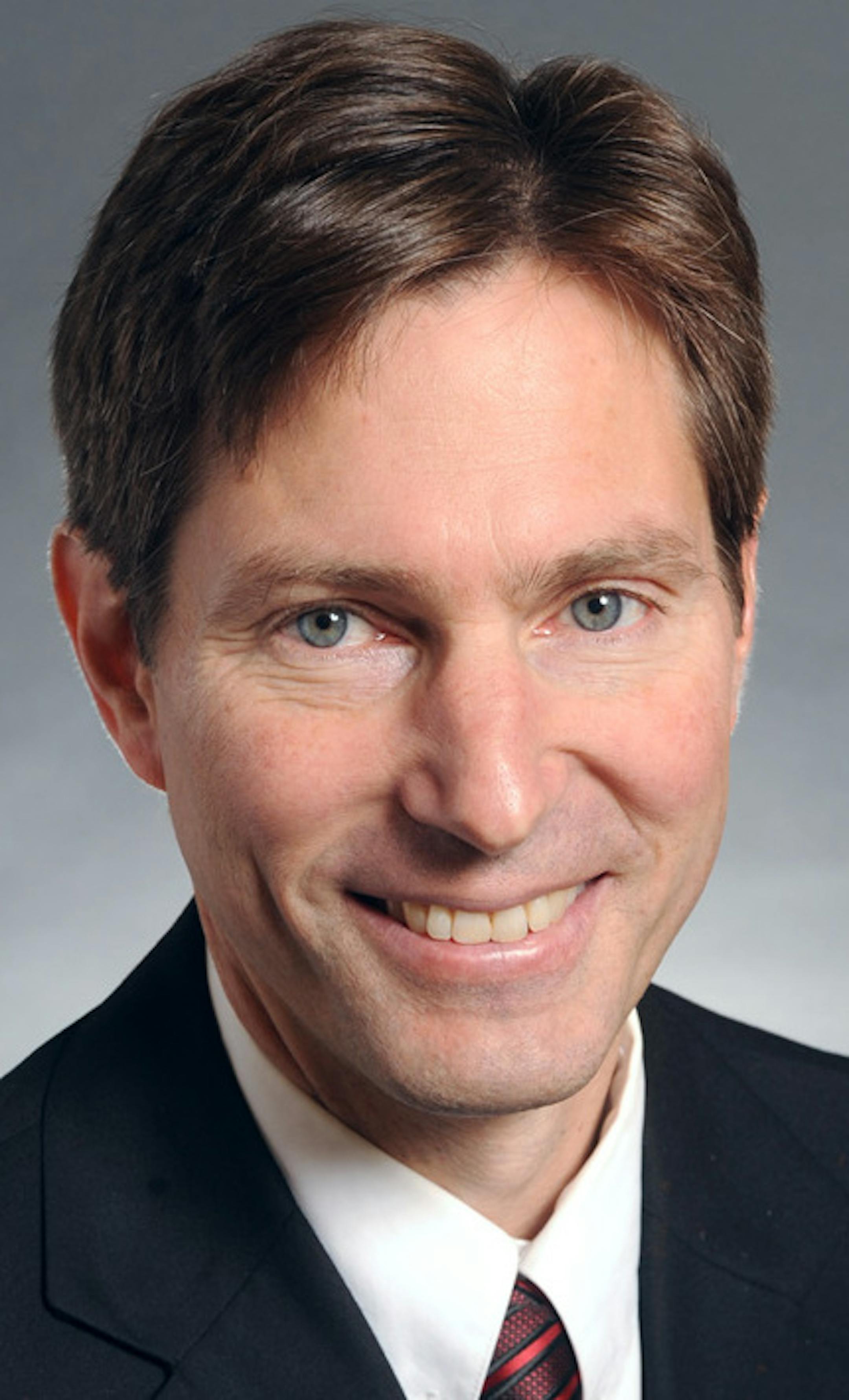
The state human services budget involves more than numbers and politics. Even for some legislators, it's personal. Take state Sen. Kent Eken, DFL-Twin Valley, the sponsor of this year's bill to boost wages for home health care workers for the disabled 5 percent in each of the next two years.
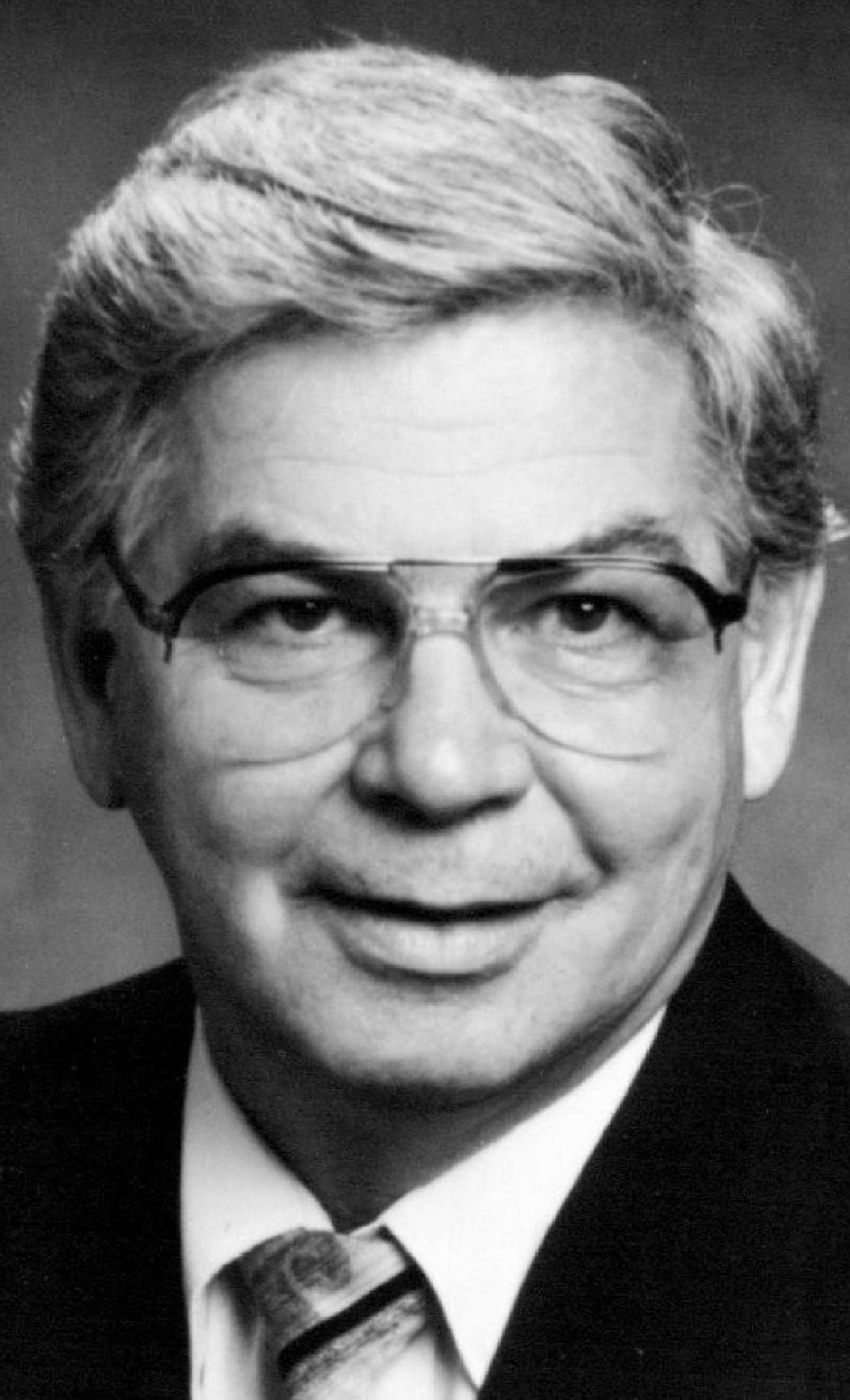
One might say that concern about state funding for the disabled runs in the Eken family. The senator's father, the late Rep. Willis Eken, likely never would have run for the House in 1970 if he had not seen the need for more state help for his intellectually disabled son Kyle, Kent's older brother. The young farmer became an advocate for more funding for special education in the mid-1960s as he and his wife, Betty, resolved to raise Kyle at home, not in an institution 100 miles away.
Willis Eken, whose 14 years in the House included four years as majority leader, fired Kent's interest in politics and inspired him to launch his own legislative career in 2002. Remembering Kyle, who died at age 12, and watching Willis struggle with dementia and Parkinson's disease drew Kent to human-services budgeting. It gives him "a real sense of purpose," he said.
Willis died in 2010 after spending six years in a nursing home, during which, sad to say, the affable storyteller whom I knew as majority leader lost his ability to speak. Those who cared for him in his final illness were "like family," his son said.
That's why Kent Eken's heart is in his bill to increase funding for the services to the disabled — and why he's concerned about recent human services budget news from the governor and the state House.
On March 17, DFL Gov. Mark Dayton issued revised recommendations for the next two state fiscal years that included $25 million more for higher pay in nursing homes. But it offered no increase for the home care and group homes that keep disabled people out of those comparatively more costly institutions.
Then last week, the House GOP majority rolled out budget targets that include a 7 percent cut in human services spending from forecast levels for 2016-17. House Ways and Means chair Jim Knoblach took pains to say that the House's plan includes $160 million more for nursing homes, compared with their 2014-15 appropriation. He made no similar promise about home care services. For reasons having more to do with legislative history than logic, these two forms of long-term care are separate state budget accounts.
But a lot — or maybe too much — was said about home care services on the House floor on March 19. The House version of Eken's bill was the subject of the House DFL minority's game of Political Gotcha. In this depressingly familiar game, House minorities tempt majorities to abandon orderly budgeting and pass a popular bill immediately. The majority doesn't take the bait but, in sticking with the committee process, posts a batch of bad votes with which opponents can portray them as cruel, heartless and/or dimwitted in the coming election.