

Opinion editor’s note: Strib Voices publishes a mix of guest commentaries online and in print each day. To contribute, click here.
•••
We won’t solve homelessness through lethal injection or partisan point-scoring.
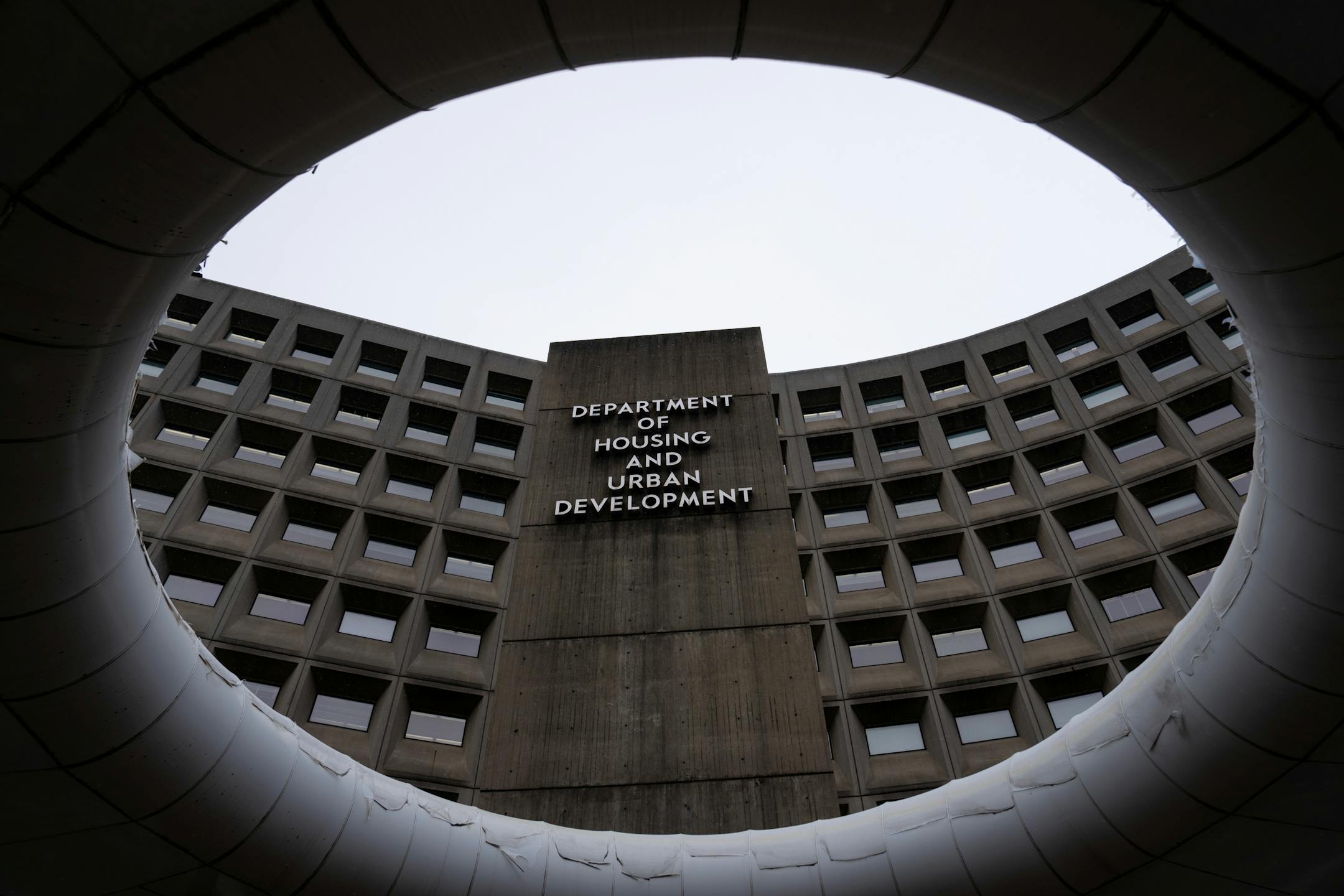
Yet in recent weeks we’ve seen both: a nationally broadcast call to kill unhoused people who refuse services (later walked back), and a federal funding notice abruptly reissued with new conditions that sidelined projects local communities nationwide had already vetted. Now, new reports confirm that the Trump administration is preparing even deeper cuts and radical changes to the U.S. Department of Housing and Urban Development’s homelessness programs — changes that would unravel decades of bipartisan consensus about what works.
Instead of building on what works, these actions divert scarce resources and abandon the compassion that once guided bipartisan housing policy.
A quiet policy shift with national consequences
At the U.S. Department of Housing and Urban Development (HUD), the Continuum of Care (CoC) program — the backbone of America’s homelessness response for 40 years — is under threat. For decades, Republican and Democratic administrations alike have invested in permanent supportive housing because it works: It reduces homelessness, saves taxpayer dollars and strengthens communities.
The Trump administration is now proposing extreme changes that would upend this model:
- Capping permanent supportive housing at 30% of total funding — threatening to eliminate thousands of homes for the most vulnerable.
- Requiring residents to participate in services as a condition of maintaining their lease, which not only runs counter to evidence-based housing first principles but is in violation of other federal laws.
- Imposing eligibility restrictions that effectively disqualify many supportive housing providers, including bans tied to local policies.
If enacted, these rules would disqualify 36 of 50 states — including Minnesota — from baseline federal support. That would destabilize housing for an estimated 170,000 Americans, including thousands of Minnesotans.


