

Opinion editor's note: Editorials represent the opinions of the Star Tribune Editorial Board, which operates independently from the newsroom.
•••
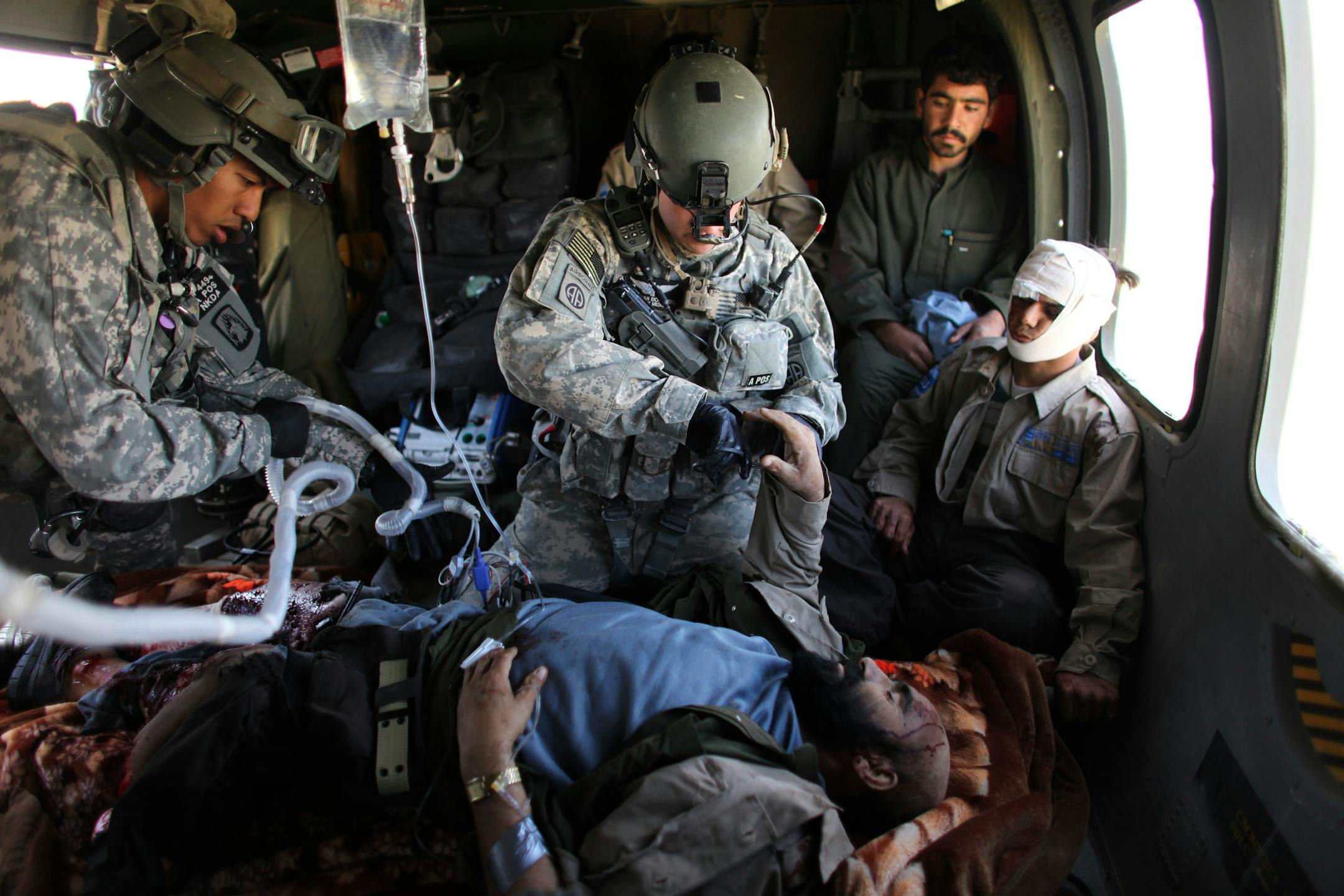
Some of the former military men and women marking Veterans Day on Saturday might not be here had it not been for the lifesaving care provided by a combat medic.
While not physicians, these members of the armed forces are trained to rapidly respond to those injured in service to our country. Often, they attend to patients under the grimmest of conditions.
Patients may have suffered grievous wounds from bullets or bombs. Medics themselves may be under fire while operating in the field with just the medical equipment and drugs they can carry.
It's easy to see how those who have proven themselves in these conditions could make excellent physicians. That's why a pioneering new University of Minnesota Medical School program to help medics become doctors as they re-enter civilian life is both commendable and deserving of Minnesotans' support.
The new initiative is known as the "Medic to Medical School Pathway." The inspiration for it came from the experience abroad of Dr. Greg Beilman, a critical care surgeon, U medical school professor and associate dean of Department of Defense research and partnerships.
In 2022, Beilman was in Ukraine with the Global Surgical and Medical Support Group, a nonprofit "dedicated to providing medical relief to communities in conflict zones, austere environments and disaster areas around the world."


