

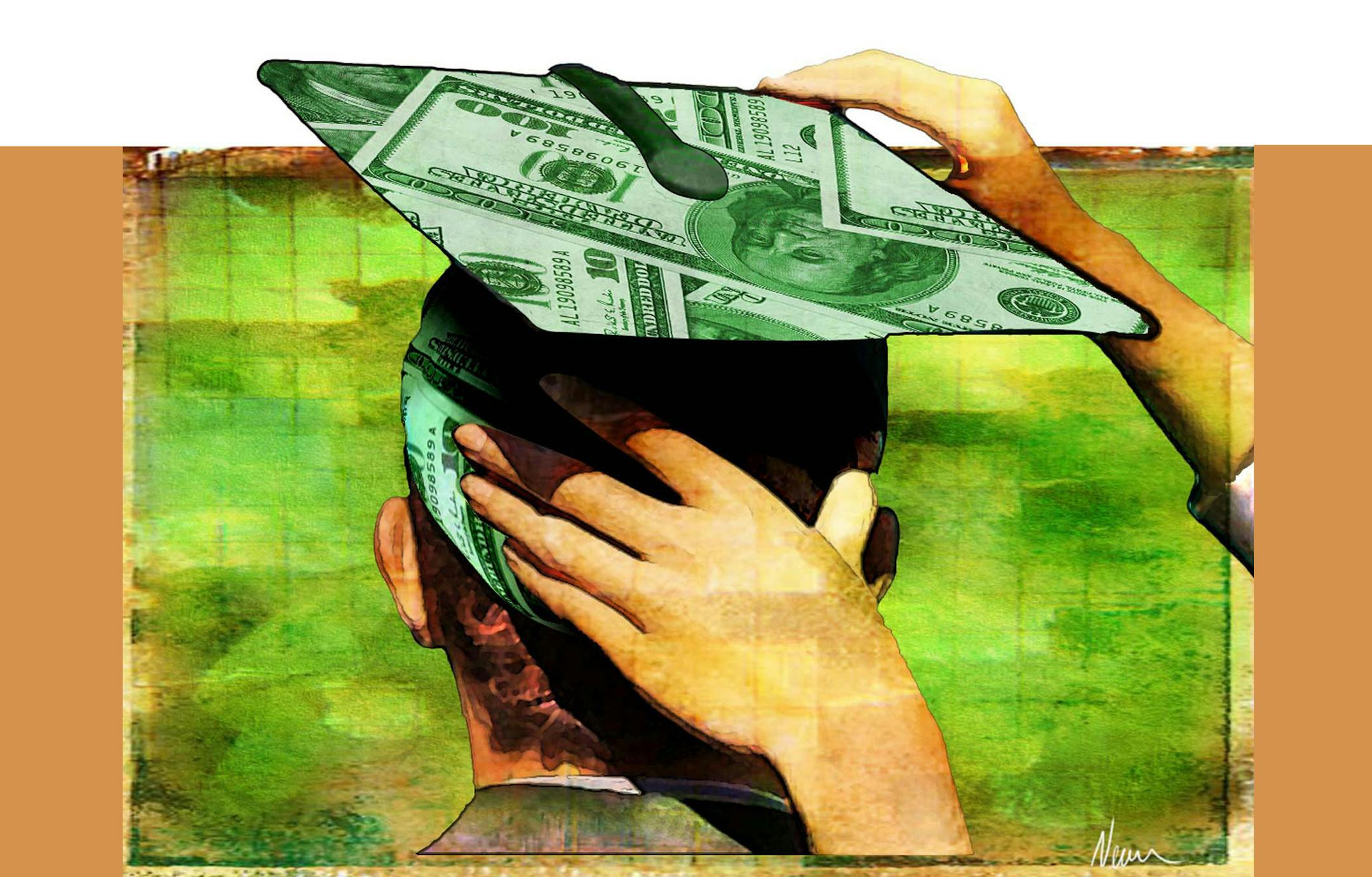
As college students head back to school, the more sensible among them are wondering how they will pay for the privilege.
There are about 21.5 million students in the U.S. this year, and many of them will be funding their college careers on borrowed money. Given that there is at present more than $1.3 trillion in student loans on the books, it's pretty clear that many college students are far from sensible.
The average student's debt upon graduation now approaches $40,000, and as college becomes ever more common and expensive, calls to make it "free" seem to be multiplying. Hillary Clinton says that when it comes to college, "Costs won't be a barrier."
But the only way college could be free is if the faculty and staff members donated their time, the buildings required no maintenance, the campuses required no heating, cooling or utilities of any kind, and every other expense simply disappeared. As long as it is impossible to produce something from nothing, though, costs are absolutely a barrier.
The actual question we debate, regardless of whether we admit it, is who should pay for people to go to college.
If students do not shoulder the cost, that cost will be shifted to someone else. And this is where things get interesting. No one seems to take the idea of free college for everyone seriously, but the idea of student loan forgiveness has somehow gained traction. In the end, though, it amounts to the same thing:
The American taxpayer will be left holding a very expensive bag.
But if taxpayers are to bear the cost of student loan forgiveness, shouldn't they have a say in how their money is used?


