

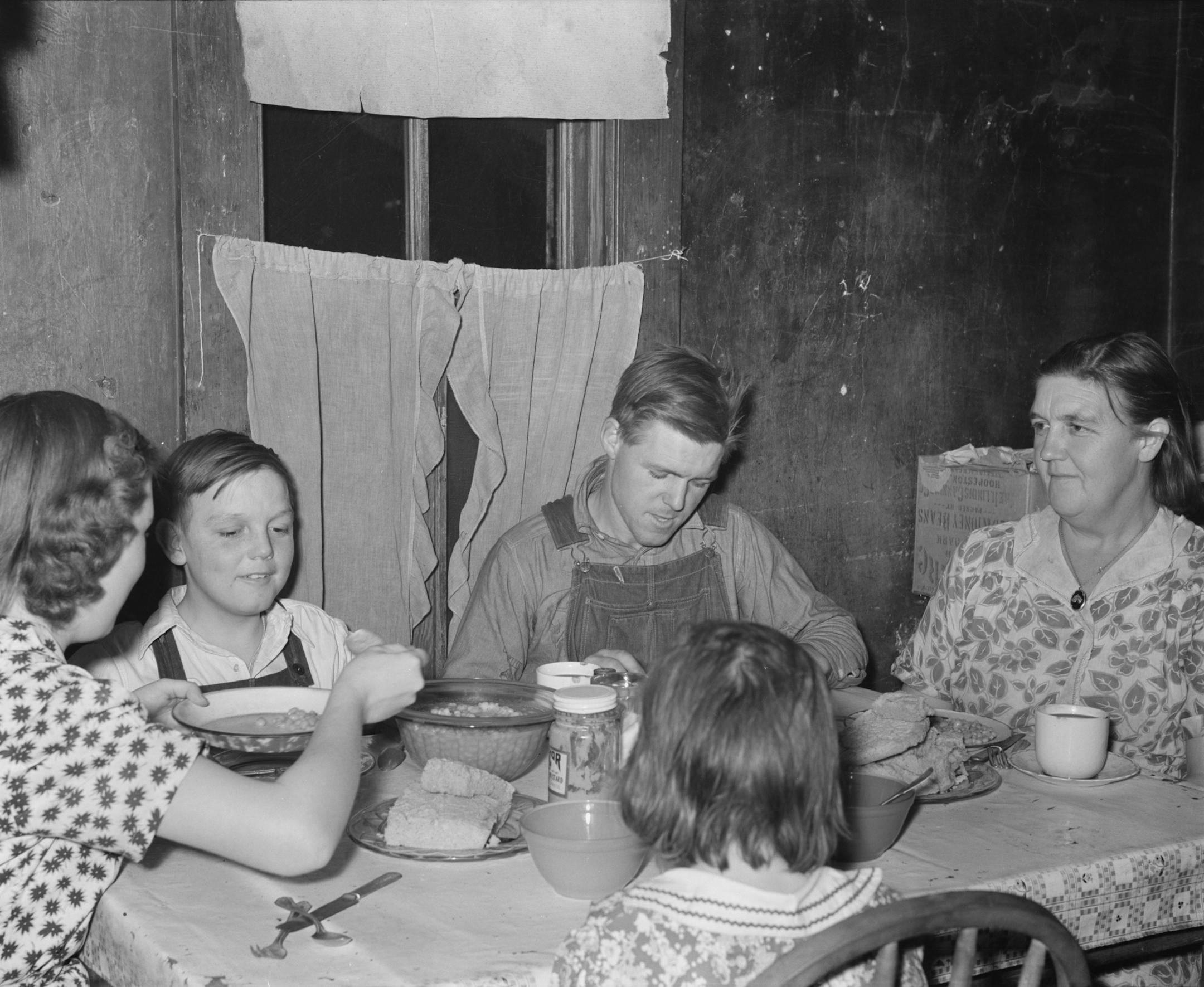
The latest unemployment figures — worse than expected, again — suggest that the economy remains in the woods. Recovery depends on bringing the new coronavirus under control, yet each day brings record numbers of new cases. Little wonder people are making anxious analogies to the Great Depression.
If these comparisons have merit, we may be in for some lasting changes. It's conventional wisdom that the Great Depression created a generation of penny-pinchers, but it wrought more subtle transformations as well — in the way people cooked and in how they spent their leisure time. The evidence from the 1930s suggests that life hacks made during hard times have a funny way of outliving the crises that beget them. Something similar may be underway today.
Consider, for example, what happened to the nation's culinary habits in the wake of the Depression: Wasting food became a deadly sin, and leftovers that might previously have ended up in the garbage or down the drain found their way into new dishes.
Nothing was discarded. After boiling vegetables, cooks would save the water — "vegetable liquor" — to use in soups and sauces. Likewise, vegetables left uneaten on the first round would be puréed, combined with other rejects and presented anew. Housewives often resorted to camouflage to conceal this regifting.
A common strategy was to hide leftovers beneath a generous helping of "white sauce," a condiment made from condensed milk, butter, salt, flour and water. It was a rare dish in the 1930s that didn't include a generous helping of this wonderworking sauce. And what of all the leftover white sauce? It would end up in soups, as did most things at some point.
As historians have noted, attempts to combine disparate ingredients from nearly empty pantries led to strange mash-ups. Corned beef salad, for instance, featured gelatin, canned peas, lemon juice, cabbage and other odds and ends. Gelatin enabled cooks to bind all sorts of disparate ingredients into a jiggly blob.
Mass-produced processed foods also made their debut in the Great Depression: condensed soups, canned meats and other staples. These novelties saved time, money and cooking fuel. And they could be used in combination with other ingredients to create casseroles.
The casserole had made its debut during the economic depression of the 1890s and returned again during World War I. But the Great Depression elevated it to culinary stardom. Cooks in the 1930s also sought out substitutes for meat, creating various vegetarian versions of meat loaf — including peanut loaf, bean loaf, even lima-bean loaf. Naturally, these loaves often came generously dressed with white sauce.



