

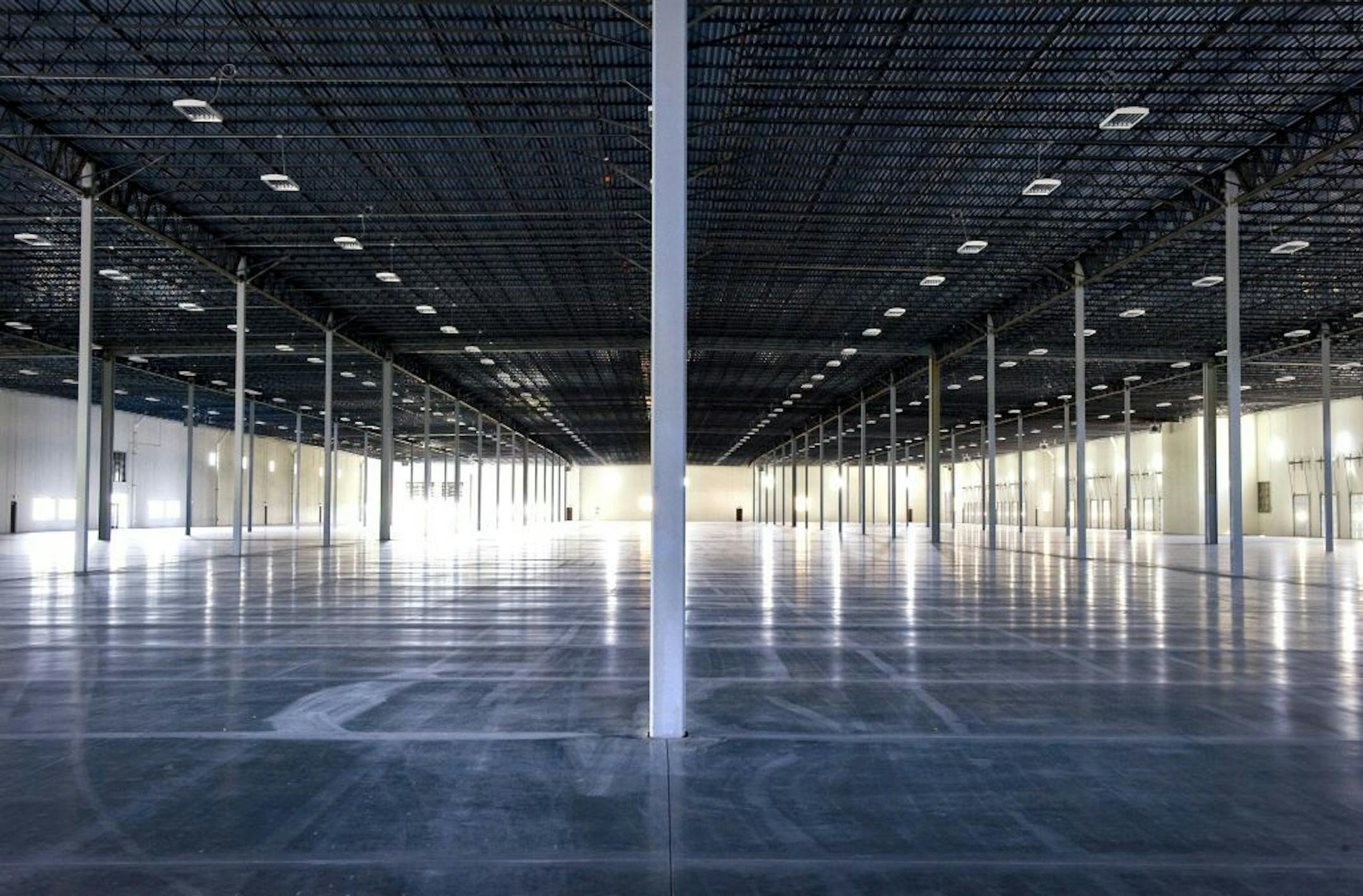
"Distressed" commercial real estate -- those assets that have gone back to the lenders or are saddled with other kinds of financial problems -- dot the landscape like dandelions on a May lawn. Their proliferating presence is hurting the Twin Cities market's sales velocity by skewing the expectations of would-be buyers and scaring off solvent potential sellers, local brokers say.
The exact amount of "distressed" property for sale in the Twin Cities is a matter of debate and is constantly changing. The definition is also a bit squishy. It could mean an office building, warehouse or retail center that is 100 percent bank-owned, or ones in which non-bank owners are offering a discount because they can't afford to perform needed upgrades and maintenance.
Nationally, the percentage of sales involving distressed assets went up in March. The CoStar Commercial Repeat-Sale Indices, released this month, uses a methodology in which the firm looks at properties that are sold more than one time, thus creating a "sale pair." The firm found that distressed sales as a percentage of the total sales pairs was 31.9 percent in March, up from 28 percent in February.
Sorted by property type, the highest percentage of distress in the first quarter was in hospitality at 42.6 percent, followed by office at 35 percent, retail at 30 percent, industrial at 28.4 percent and multifamily at 25.4 percent.
At the same time, it found that prices being fetched by office properties fell by 11.7 percent nationally in the first quarter
Meanwhile, Moody's/REAL commercial property price index found that 16 percent of all commercial loans to hotels and apartments are classified as delinquent, as were about 10 percent of loans on industrial properties and 7 percent each for offices and retail.
Locally, there's no shortage of properties on the market that have been categorized as distressed.
A search on the commercial real estate listing service Loopnet.com last week revealed 41 "distressed" office properties for sale. They included such properties as the vacant, 50,000-square foot former Maxsun Furniture store in Elk River ($2.5 million); the Rush Lake Office Building, a newly built but never-occupied 20,000-square-foot structure in New Brighton ($2.5 million); and McAndrews Commons, a three-building Class B office complex in Burnsville ($1.95 million).



