

On Jan. 13, former FBI Director James Comey made headlines for suggesting that President-elect Joe Biden should "consider" pardoning President Donald Trump. The news was surprising coming from one of Trump's most outspoken critics, especially because he made the suggestion on the same day the U.S. House voted to impeach the president on one article of inciting insurrection.
The Senate will now have to vote on whether to convict Trump — a process that will not be resolved until after Biden's Jan. 20 inauguration. Meanwhile, prosecutors could charge Trump with a plethora of crimes and infractions once he becomes a private citizen again.
The impeachment battle and potential prosecutions make for an unlikely recipe for the "unity and healing" Biden says he wants to bring to the country, many news outlets seem to agree with Comey's suggestion that Biden should indeed pardon Trump to help the country heal and move on.
Recent articles in the Independent, the Baltimore Sun, the Columbian, the Arizona Republic and NBC News have called such a pardon a "return to a sense of decency," "tension-calming" and "the only path forward."
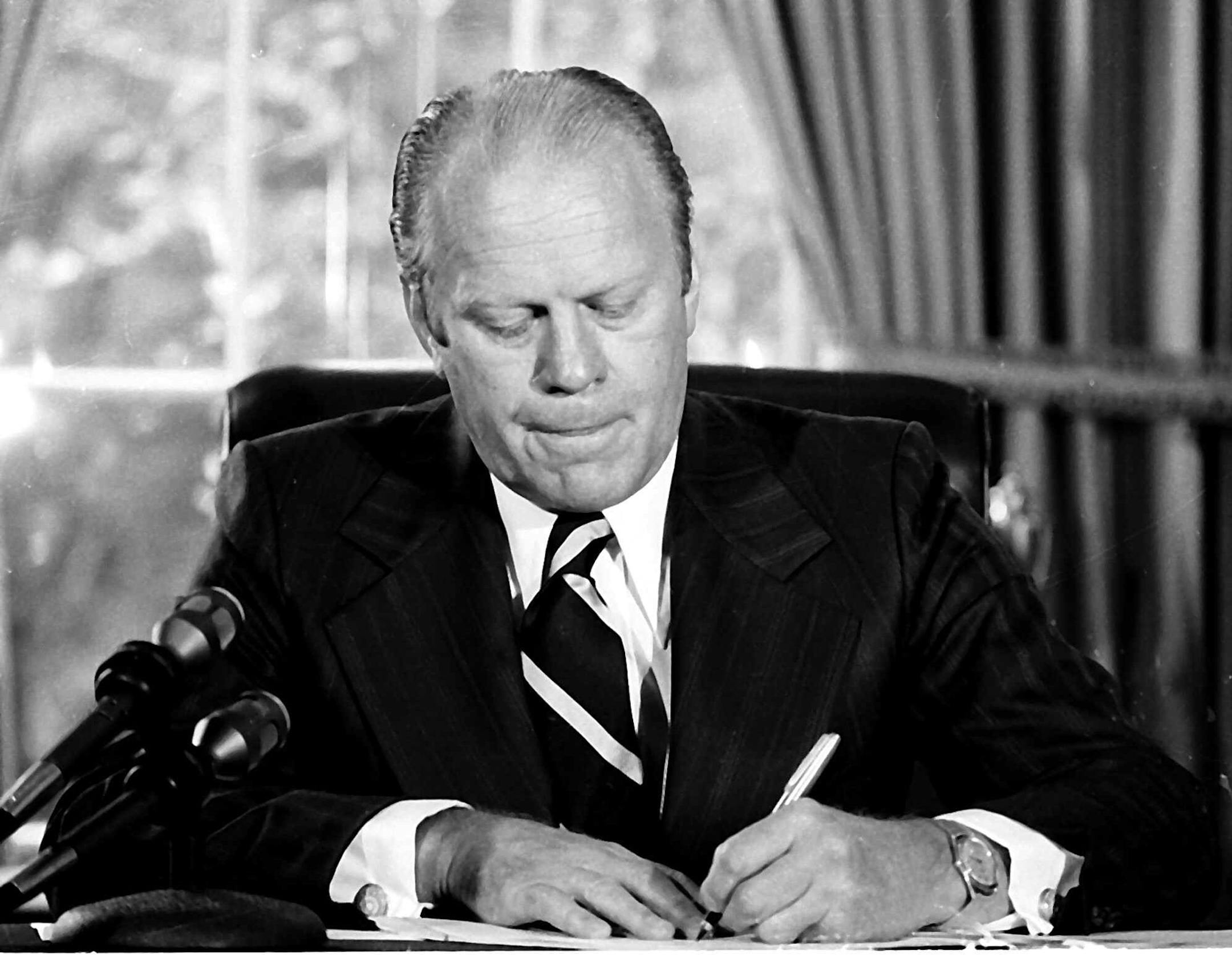
Each article invariably brings up the time President Richard Nixon was similarly facing both impeachment and prosecution as fallout from the Watergate scandal in 1974 and President Gerald Ford made the controversial decision to pardon him.
While Ford's pardon was incredibly unpopular at the time and almost certainly cost him reelection, most historians have come to agree that Ford made the right decision for the good of country.
Even the legendary journalists responsible for breaking the Watergate scandal — Bob Woodward and Carl Bernstein — who initially saw Ford's pardon as the "final corruption of Watergate" eventually came to view it as "an act of courage" many years later.
In 2014, Woodward told a Washington Post-hosted panel that Ford had himself been the one to change his mind more than two decades later. While interviewing Ford some 25 years after the controversial pardon, Ford confessed to Woodward that Nixon's chief of staff, Alexander Haig, had indeed offered him the presidency in exchange for his promising to pardon Nixon. However, as Woodward described the interview in his book, "Shadow: Five Presidents And The Legacy Of Watergate," Ford turned the offer down right away. "It was a deal," Ford said, "but it never became a deal because I never accepted."


