
Ford case defined role of business

August 23, 2018 at 2:06PM
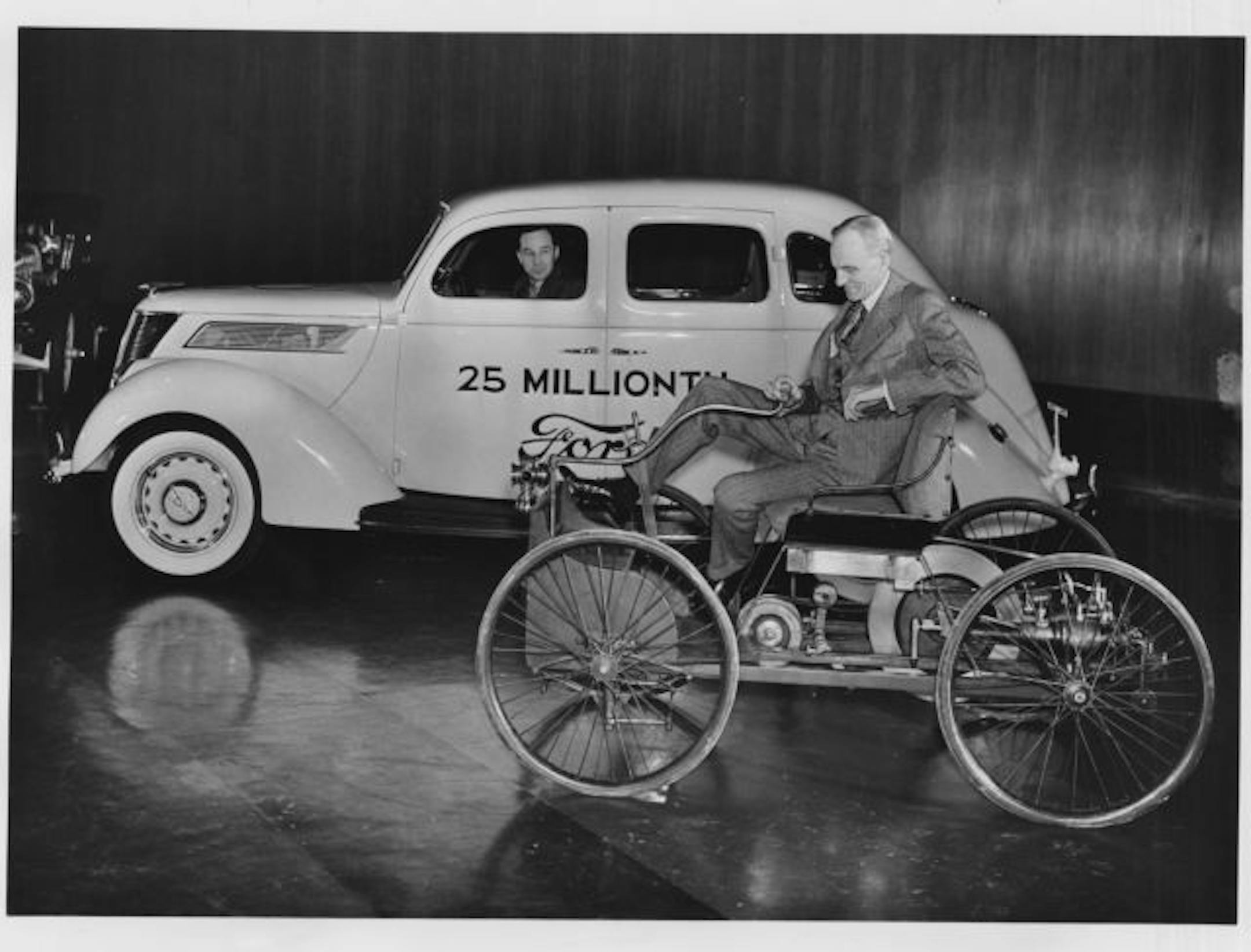
Edsel Ford, then-president of the Ford Motor Company, poses with the 25,000,000th Ford passenger car, a V-8, in this January 1937 file photo. Henry Ford is seated in his first car, built in 1896.
In 1937, Henry Ford is seated in his first car, built in 1896. Behind him is his son Edsel, then president of the Ford Motor Company, inside the 25,000,000th Ford passenger car. (File Photo/The Minnesota Star Tribune)

Sen. E­liz­a­beth Warren hopes to see a new legal chart­er ad­opt­ed by big A­mer­i­can busi­nes­ses. The Mas­sa­chu­setts Democrat's i­de­a being to kill the no­tion that cre­at­ing share­hold­er value is the only valid pur­pose of a cor­po­ra­tion.

One thing that's puz­zling a­bout her ideas, as de­scribed in a Wall Street Journal es­say last week, is the sug­ges­tion that the focus on share­hold­er value is some sort of late 20th-cen­tu­ry de­vel­op­ment.

In fact busi­ness exec­utives have been ar­gu­ing over the pur­pose of a cor­po­ra­tion at least since the case of Dodge v. Ford Motor Co., a decision com­ing up on its 100th anni­ver­sa­ry.

The Ford share­hold­ers won here, too, although they got far less than they want­ed. What's important is that Ford Motor founder Henry Ford still had the right to do ex­act­ly what got him sued in the first place — going a­head with a plant ex­pan­sion rath­er than pay out all the mon­ey to share­hold­ers.

This doesn't seem to be a land­mark legal case, maybe be­cause it was de­cid­ed by a state su­preme court, but it sure is a great sto­ry. The star wit­ness was the Steve Jobs or Elon Musk of his era, and it's a fun case to show how this is­sue isn't black and white.

Ford was a head­line-mak­ing cele­b­ri­ty even be­fore he was tak­en to court by bro­thers John and Hor­ace Dodge, the en­tre­pre­neurs who gave us the Dodge auto­mo­tive brand. They were all once up­starts in De­troit when it was the Sil­i­con Valley of the early 20th cen­tu­ry, the hot­bed of an em­er­ging in­dus­try.

Ford had al­read­y flopped twice by the time Ford Motor Co. was formed in 1903. There is plen­ty to sug­gest all he want­ed was to run a car busi­ness with­out any di­rec­tors, in­ves­tors or oth­er "par­a­sites," as he called them. But he need­ed mon­ey. He also need­ed sup­pli­ers.

The Dodge bro­thers in 1903 agreed to build motors and trans­mis­sions for Ford. They also in­vest­ed $10,000 — none of it in cash — in ex­change for own­er­ship in Ford Motor Co.

It's no real sur­prise the part­ners later had trou­ble get­ting along. They had the same risk prob­lem, just dif­fer­ent sides of it. Ford could re­place them by bring­ing work in-house, yet Ford had to rely on a key sup­pli­er that could eas­i­ly be­come a tough com­pet­i­tor.

What made all of them spec­tac­u­lar­ly rich was the cre­a­tion of the Ford Mod­el T, a re­li­able car first rolled out in 1908 that was far more af­ford­a­ble than com­pet­ing Oldsmobiles or Buicks.

In the 1910 fis­cal year, Ford pro­duced more than 18,000 cars and the Mod­el T was priced at $900. Six years later, Ford produced nearly 500,000 cars and the price of a Mod­el T had been cut in half.

That's when Ford, the com­pany chief ex­ec­u­tive and near­ly 60 percent own­er, de­cid­ed there would be no more spe­cial di­vi­dends to share­hold­ers.

The Dodge bro­thers still owned 5 percent of the com­pany each and knew Ford Motor was a­wash in mon­ey in the sum­mer of 1916, with $54 mil­lion in cash and in­vest­ments, or a­bout $1.3 bil­lion in 2018 dol­lars. It had just earned a­bout $60 mil­lion for the fis­cal year. Yet Henry Ford claimed the com­pany need­ed the cap­i­tal to keep ex­pand­ing.

Ford put his am­bi­tions this way, in tes­ti­mo­ny quot­ed in the court de­ci­sion: "To em­ploy still more men; to spread the bene­fits of this in­dus­trial sys­tem to the great­est pos­si­ble num­ber, to help them build up their lives and their homes."

Ford is a com­pli­cat­ed hero for any­body cheer­ing for cor­po­ra­tions to act more like this. For one thing, he wasn't just a pa­ter­nal­is­tic em­ploy­er but au­thor­i­tar­i­an, cre­at­ing a sort of Ford Motor secret po­lice to keep tabs on workers when they were off the clock.

Some of the in­itia­tives he's fa­mous for, like his shocking move to more than double work­er pay in 1914 to $5 per day, could also be seen as self-ser­ving.

Boost­ing wages turned out to be one fix to a mas­sive em­ploy­ee turn­o­ver prob­lem, as it wasn't much fun work­ing on a mov­ing as­sem­bly line and work­ers had been quit­ting in droves. Pay­ing $5 also kept la­bor cost pres­sure on undercapitalized com­peti­tors.

By 1916, that in­clud­ed the Dodge bro­thers. So an­oth­er rea­son to keep the Ford Motor prof­its in the com­pany was to keep the Dodge boys from in­vest­ing their Ford Motor di­vi­dends in the Dodge Brothers car business.

They sued Ford Motor a­bout the miss­ing di­vi­dends and also sought the court's help to block a mas­sive new Ford manu­fac­tur­ing plant, which would only lead to an even big­ger com­pe­ti­tive dis­ad­van­tage for them.

Luck­i­ly for them, Ford proved to be a terri­ble de­fend­ant. He sug­gest­ed in­ves­tors like the Dodge bro­thers had al­read­y made en­ough mon­ey on Ford and didn't de­serve any more. On the wit­ness stand, he com­plained that "we don't seem to be able to keep the prof­its down" and in­sist­ed Ford Motor was or­gan­ized and run to only "in­ci­den­tal­ly" make mon­ey.

One the­o­ry on the case is that Ford de­cid­ed he cared more a­bout be­ing viewed as a regu­lar guy than win­ning, and had he not talked non­sense from the stand, no judge would have had to write that the pri­mary pur­pose of a cor­po­ra­tion was mak­ing mon­ey for own­ers.

Yet while the Michigan high­er court said the Dodge boys (and oth­er share­hold­ers) should receive some of the prof­its, it let Ford Motor go a­head with its big ex­pan­sion. It was up to the man­ag­ers and di­rec­tors, not the court, to de­cide how the com­pany and its own­ers were bet­ter off.

This is the legal layman's lesson out of this story. A lot of what Sen. Warren com­plains a­bout, like put­ting cap­i­tal into buy­ing back stock rath­er than plant ex­pan­sions, isn't re­quired by any­thing in the law. Repurchasing shares could easily be shortsighted. A CEO also should be able to de­fend, as com­pe­ti­tive strat­egy, be­com­ing known as the best-pay­ing em­ploy­er in an in­dus­try.

It also seems clear that neither the Dodge brothers nor Henry Ford would have had much respect for managers whose only ideas for creating share­hold­er value were cutting costs and buy­ing back shares.

lee.schafer@startribune.com 612-673-4302

about the writer

about the writer

Lee Schafer

Columnist

Lee Schafer joined the Star Tribune as a columnist in 2012 after 15 years in business, including leading his own consulting practice and serving on corporate boards of directors. He's twice been named the best in business columnist by the Society of American Business Editors and Writers, most recently for his work in 2017.

See Moreicon

More from Business

See More
card image
Glen Stubbe/The Minnesota Star Tribune

State officials said higher premiums and diminished federal tax credits mean some people likely feel they can’t afford coverage.

card image
card image