For sale: Mansion linked to Ponzi charges

Properties linked to an alleged Ponzi scheme likely to bring disappointing sales prices.

January 22, 2010 at 6:15AM
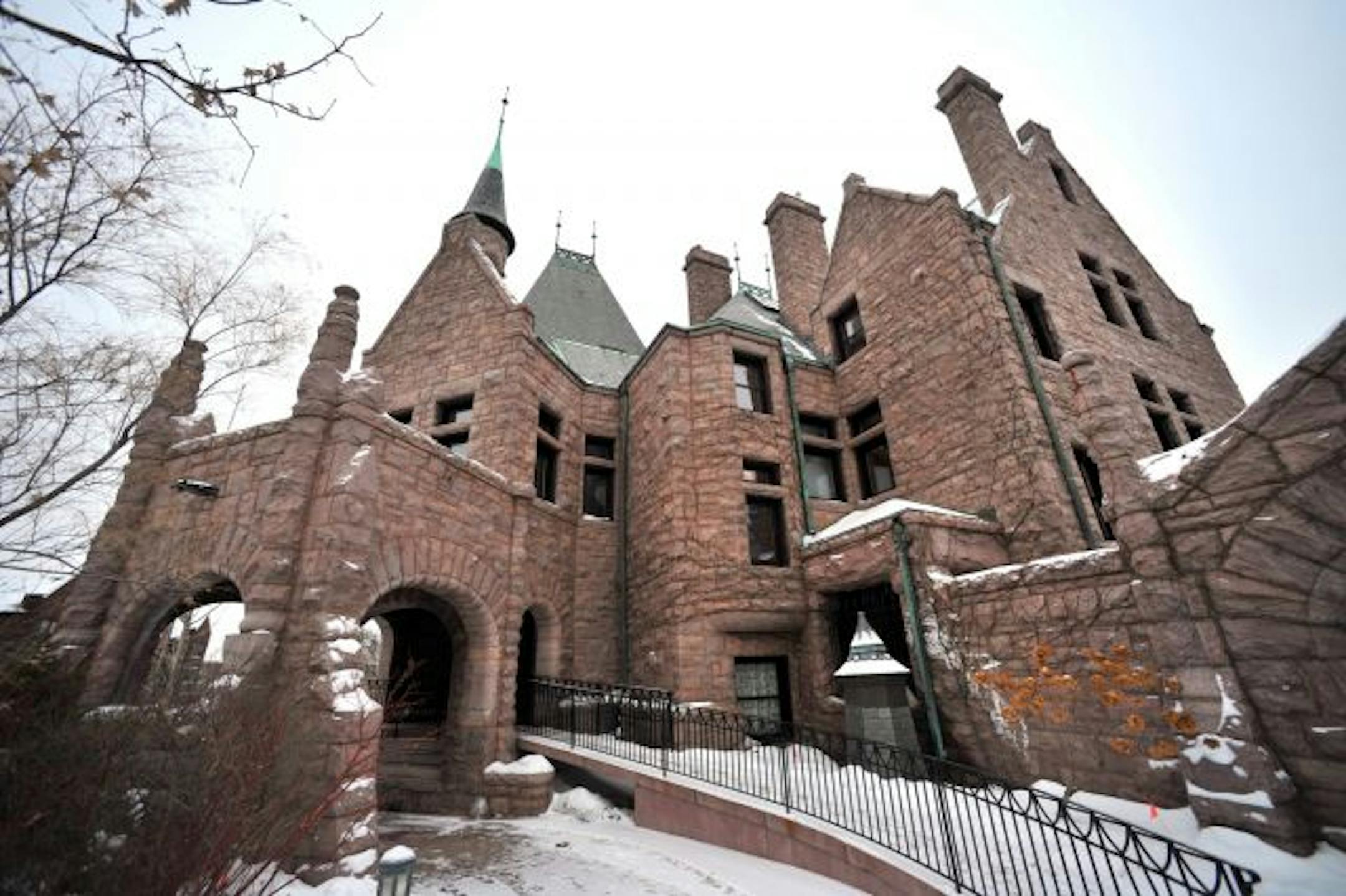
The Van Dusen mansion
The Van Dusen mansion (Casey Common — Star Tribune/The Minnesota Star Tribune)

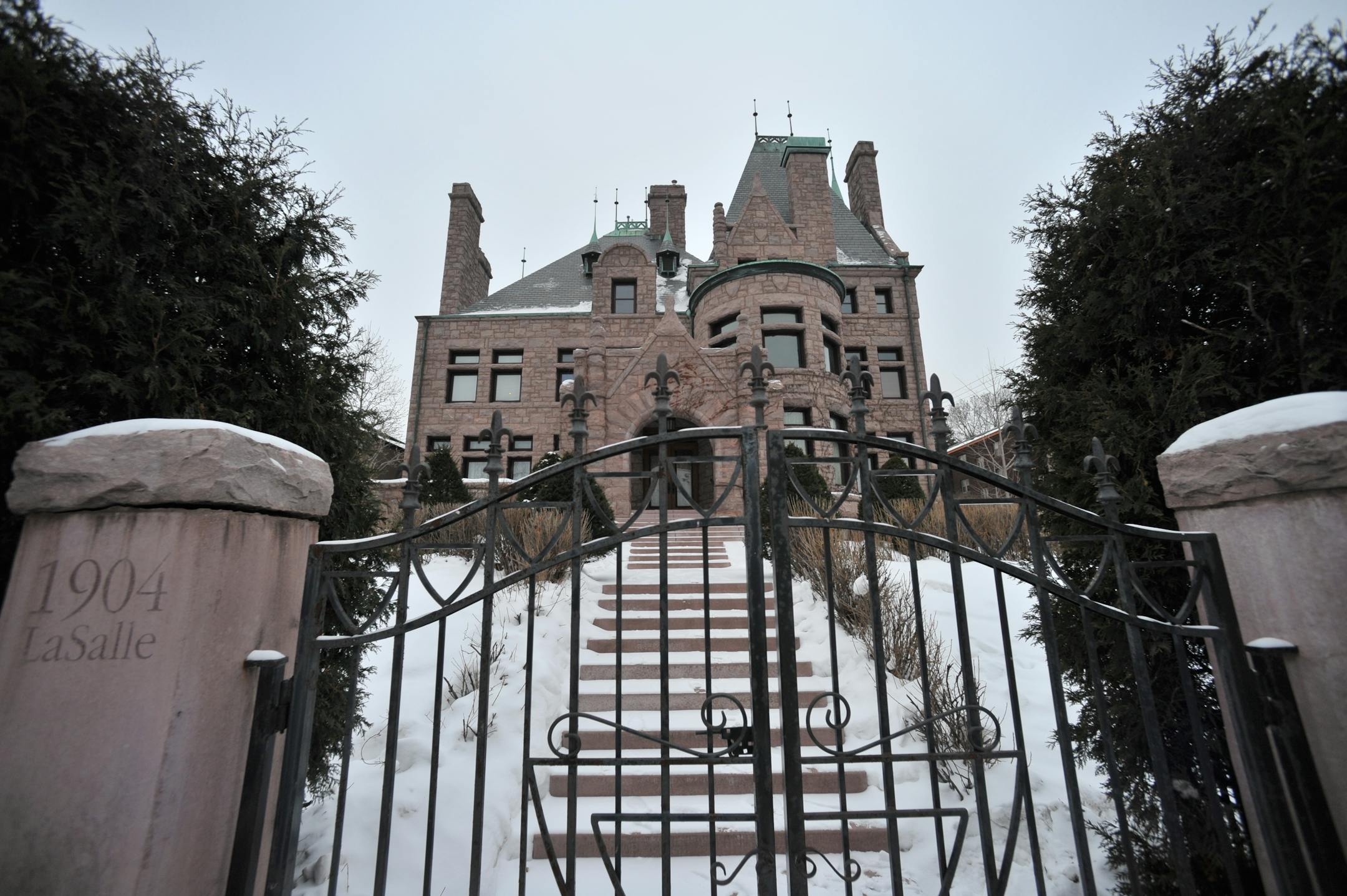
A real estate agent has been selected to sell the Van Dusen mansion, a Minneapolis landmark that recently was ground zero in an alleged Ponzi scheme. The government seized the building from an investment group led by money manager Trevor Cook and his associates, who allegedly defrauded more than 1,200 investors out of $191 million. Real estate agents told a judge Thursday that the 117-year-old mansion should be listed at just under $2 million.

The house at 1900 LaSalle Av. underwent a $5.3 million restoration, but has parking issues and an annual property tax bill exceeding $62,000. Chief U.S. District Judge Michael Davis, who is presiding over two lawsuits by regulators seeking to recover the investors' money, issued an order selecting Jimmy Fogel, an agent with Coldwell Banker Burnett, to sell the Van Dusen. Household goods salvaged from the property seizure will be among the 80 to 100 lots that will be auctioned off Feb. 22 by Luther Auctions in North St. Paul.

Dan Browning

The interior of the Van Dusen mansion in Minneapolis
The interior of the Van Dusen mansion in Minneapolis (Glen Stubbe — Star Tribune/The Minnesota Star Tribune)
Trevor Cook paid $2.6 million � cash � for the historic Van Dusen mansion and its contents in 2007.
Trevor Cook paid $2.6 million for the historic Van Dusen mansion and its contents in 2007. (Dml - Star Tribune Star Tribune/The Minnesota Star Tribune)
about the writer

about the writer

Dan Browning

Reporter

Dan Browning has worked as a reporter and editor since 1982. He joined the Star Tribune in 1998 and now covers greater Minnesota. His expertise includes investigative reporting, public records, data analysis and legal affairs.

See Moreicon

More from Business

See More
card image
Glen Stubbe/The Minnesota Star Tribune

State officials said higher premiums and diminished federal tax credits mean some people likely feel they can’t afford coverage.

card image
card image