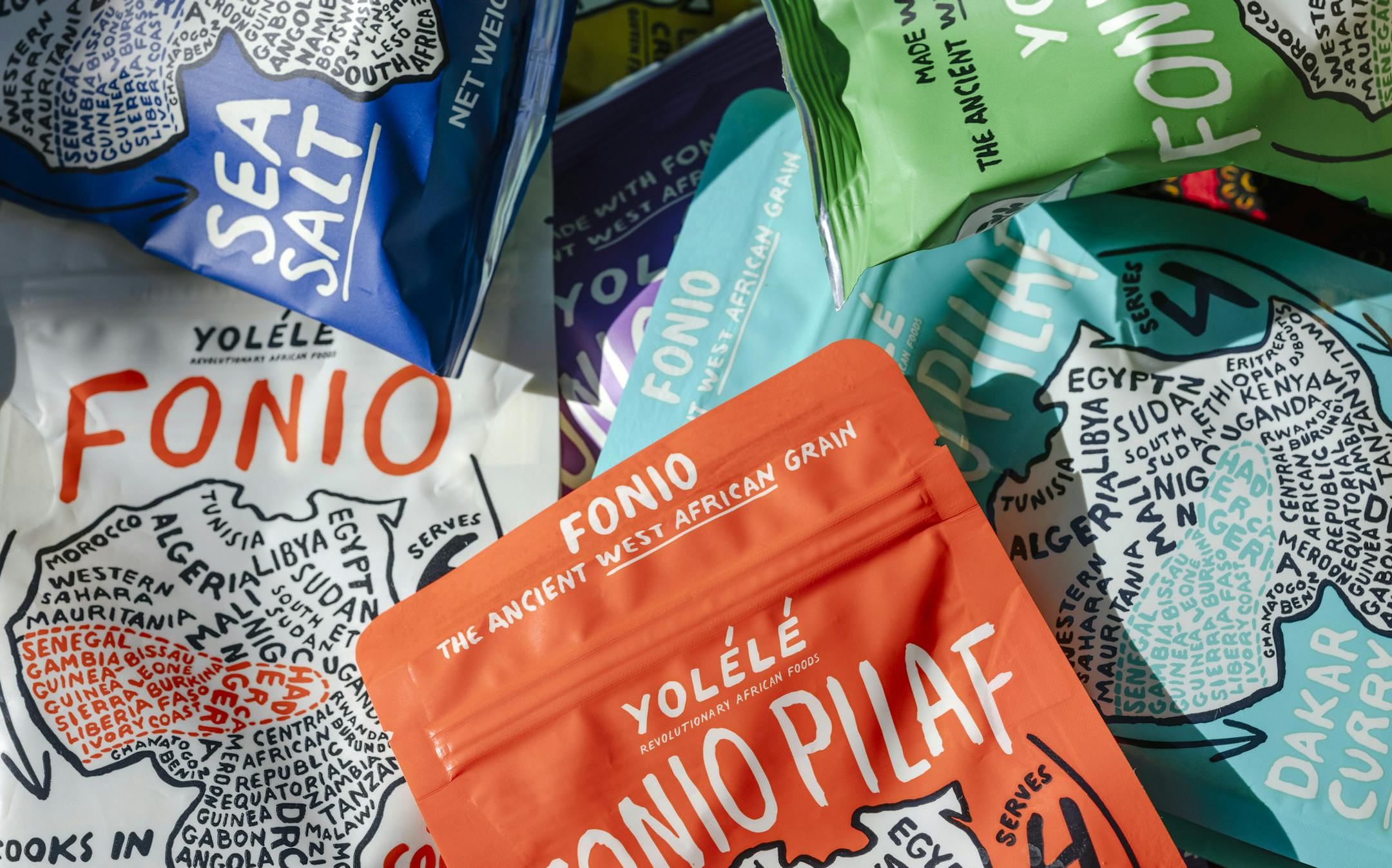
Fonio, a cereal grain imported from West Africa, was once relegated to the shelves of tiny grocery stores frequented by immigrants primarily from Senegal and Mali. But it has gradually made its way to Whole Foods, where pouches decorated with a painted map of Africa are nestled amid packages of rice and lentils, aimed at a broader range of American consumers.
That journey was pushed in part by a New York City company, Yolélé, which roughly means "let the good times roll" in Fula, a West African language. Yolélé also offers seasoned fonio pilafs, a line of fonio chips and, coming soon, fonio flour.
The company was founded in 2017 by Philip Teverow, a food-industry veteran, and Pierre Thiam, a chef from Senegal who grew up eating fonio. Thiam is confident that Americans would eat fonio, too, if they had better access to it.
The nutritious grain is gluten-free and has a slightly nutty flavor. It is also easy to prepare: "Fonio never embarrasses the cook," Thiam said.
But critical to their effort to appeal to the average American consumer was the packaging. Innovative package design and brand identity are vital when selling unfamiliar foods to mainstream markets, industry experts said.
"People really do shop with their eyes," said Chris Manca, a buyer at Whole Foods Market focusing on local products for the company's stores in New York, New Jersey and Connecticut. "If your product doesn't really jump off the shelf and catch your eye, it's going to get overlooked."
In 2019, 182,535 immigrant-owned food businesses, from manufacturing to restaurants, were operating in the United States, according to an analysis of the American Community Survey by the New American Economy, a research organization.
Chinese and Mexican immigrants owned most, selling cuisines familiar to American palates. But entrepreneurs from countries such as Guinea, Kazakhstan and Senegal are gaining a foothold with less well-known cuisines.