Food preservation ‘like opening up a jar of summer’ while helping your wallet

From canning to pickling to freezing food, here are some tips on how to join the movement.

The Minnesota Star Tribune
July 29, 2025 at 8:32PM
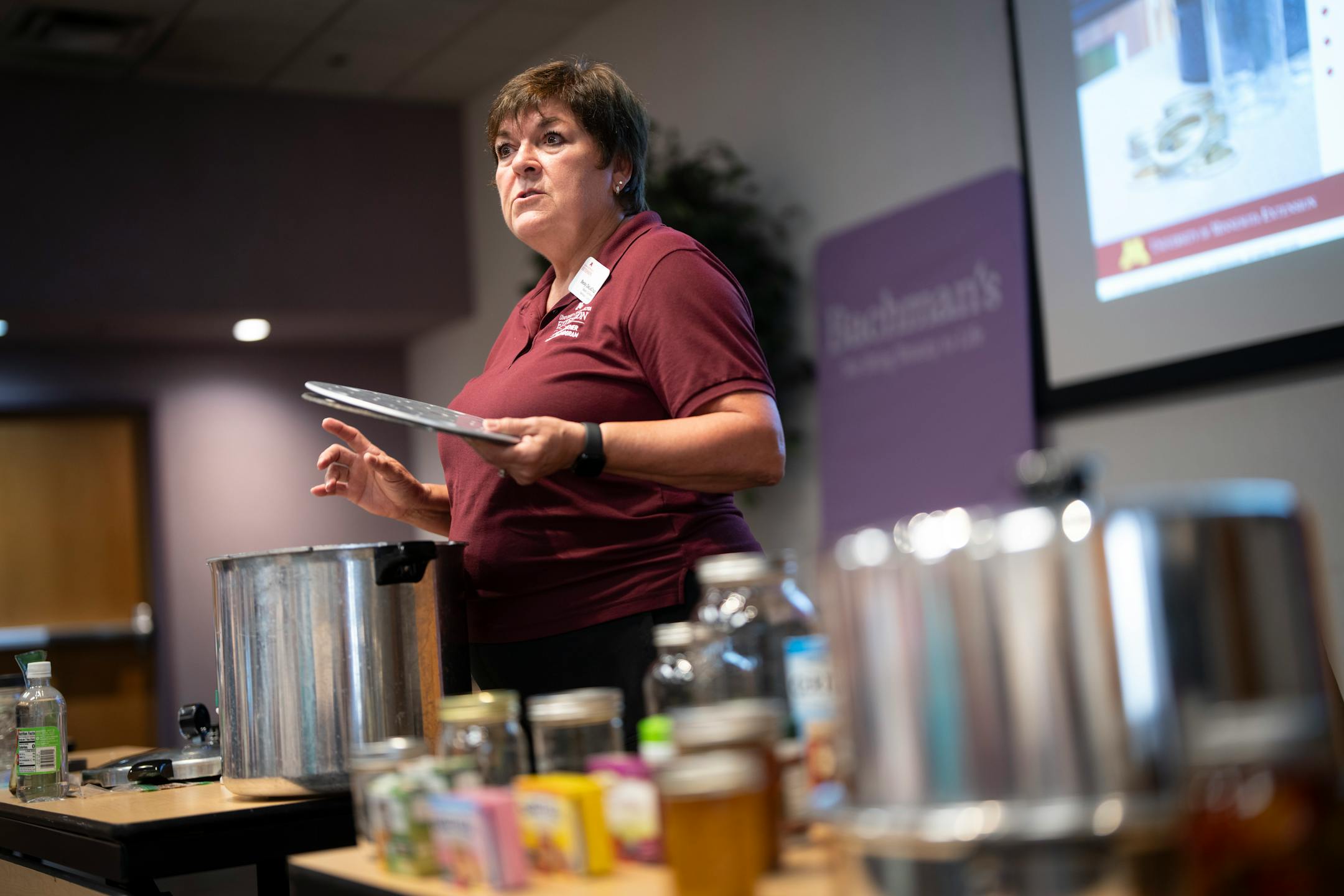
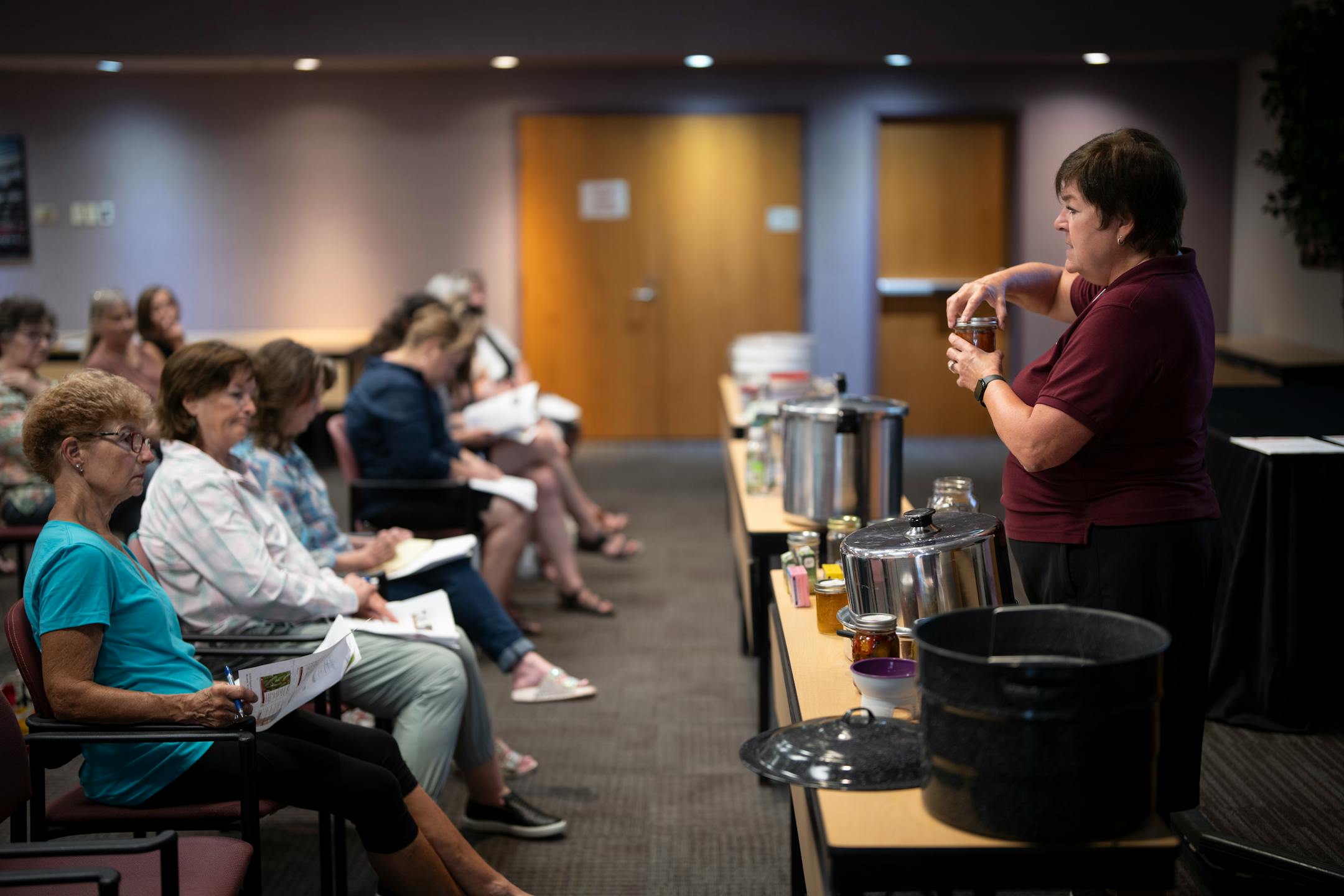
Becky DeLaCruz, a certified food preservation consultant and University of Minnesota Extension Master Gardener volunteer, gives a talk about the basics of canning, fermenting, dehydrating and freezing food at Bachman’s in Minneapolis. (Renée Jones Schneider/The Minnesota Star Tribune)

Rita Garrity has stiff competition this year.

The food preservation enthusiast has competed in canning food and knitting at the Minnesota State Fair for 15 years. Last year, Garrity’s orange marmalade recipe earned her a blue ribbon.

Despite her years of experience, Garrity, of Golden Valley, spent a July evening inside Bachman’s Floral, Home & Garden center in Minneapolis, listening intently as an instructor gave advice on food preservation.

She wanted to sharpen her skills because Minnesota’s community of food preservation enthusiasts has grown bigger and better.

“I see way more interest than I did when I first started in ‘89, and tougher competition, too, because of it,” Garrity said. “I don’t know that I could win like I did back in the day. There’s some very talented people.”

Rita Garrity knits while learning the basics of canning during Becky DeLaCruz's presentation at Bachman's in Minneapolis. (Renée Jones Schneider/The Minnesota Star Tribune)

For some, preservation is a way to take control of their food supply and save money. Back in April as rising food prices sparked economic anxiety among Twin Cities residents, Gloria Cosper of St. Paul said she was stocking up on canning equipment to save cash. It’s also a way to extend the life of bountiful summer produce.

“I think here in America, we waste so much food. So if we have some type of a food technique in our back pocket, we can help decrease that,” said Becky DeLaCruz, a certified food preservation consultant and Master Gardener volunteer for the University of Minnesota. DeLaCruz led the class Garrity attended, lifting glass jars stuffed with preserved peppers, basil and pickles while teaching attendees different preservation methods. Attendees scribbled notes as DeLaCruz spoke, stopping to look at an assembly of food preservation equipment she brought.

“Keeping food in reserve [also helps],” DeLaCruz said, “in the event of an interrupted supply chain.”

Big Lake native Shelley Erickson, who lobbied for the Minnesota Cottage Food Law and works as president of the Minnesota Cottage Food Producers Association, estimates that around half of the state’s cottage food producers sell canned foods. Erickson said Minnesotans’ interest for food preservation has continued to surge since the pandemic.

The number of registered cottage food producers reached a record of 10,853 last year. Larry Schumacher with the state Department of Agriculture said registrants already surpassed that record this year.

“We have veteran-owned businesses [and retirees] ... you have people with special needs that it’s hard for them to get an outside job, so they turn to being a cottage food producer. It’s an amazing thing,” said Erickson.

“I think here in America, we waste so much food. So if we have some type of a food technique in our back pocket, we can help decrease that,” said DeLaCruz. (Renée Jones Schneider/The Minnesota Star Tribune)

Interested in joining the trend? Here are some basic tips:

Canning

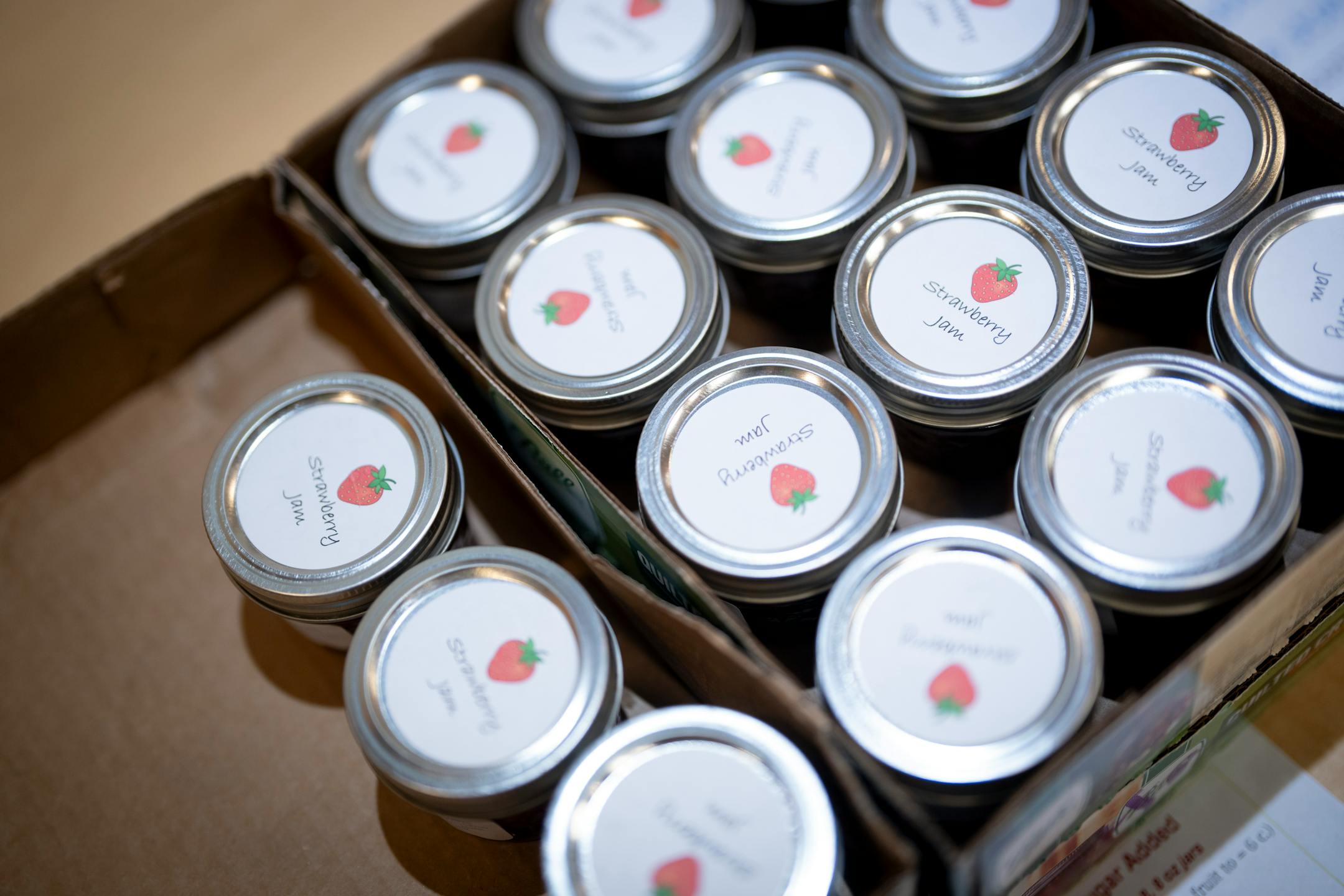
DeLaCruz offered small jars of homemade jams to people who attended her canning tutorial. (Renée Jones Schneider/The Minnesota Star Tribune)

What is it?

Canning preserves food by heating vacuum-sealed jars to more than 212 degrees Fahrenheit, shutting down enzymes that spoil food and killing bacteria that cause illness.

What is it used for?

There are different canning methods for different foods, but canning can preserve fruits, vegetables, meats and mixed foods.

How easy is the method?

Easy/advanced.

Advice?

  • Use tested recipes.
    • Mason jars and two-piece, self-sealing lids are ideal for canning.
      • Don’t rush the process.

        DeLaCruz advised canners to inspect jars for chips, cracks and faults before purchase, adding that estate and garage sales often have deals on canning equipment.

        If you ask Garrity, newcomers should consider competing in the Minnesota State Fair for a chance to hear from judges and experts because “it makes you learn and explore and try to elevate what you know.”

        “I don’t know why that just elevates and heightens the whole State Fair experience. It kind of makes you part of a secret society, like the ‘in-crowd.’”

        Pickling

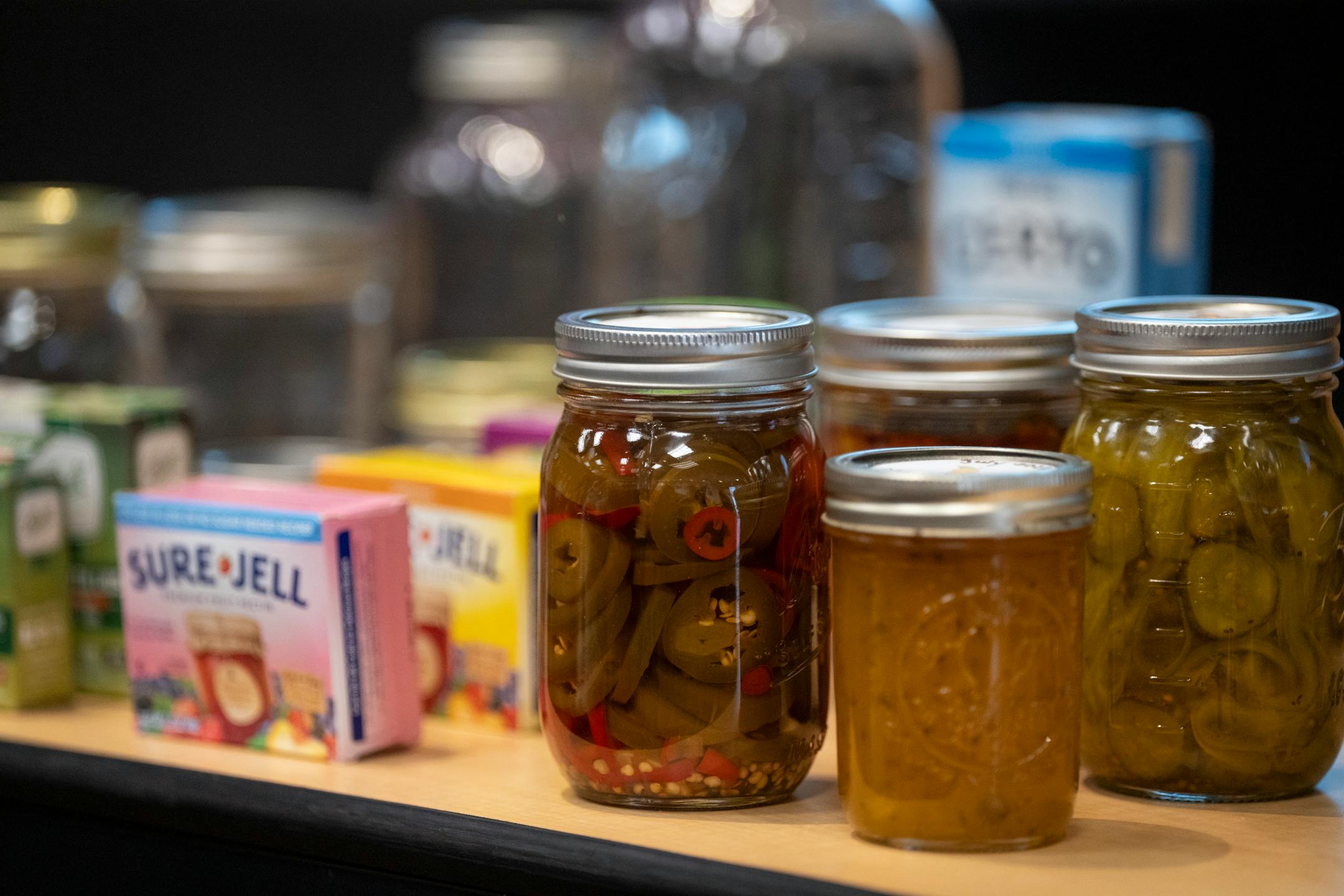
        Canning examples and supplies at DeLaCruz's canning basics talk. (Renée Jones Schneider/The Minnesota Star Tribune)

        What is it?

        Pickling is a food preservation method that involves heating food inside jars with spices, sugar and high-acid solutions with vinegar.

        What is it used for?

        Fruits and vegetables like cucumbers are ideal for pickling.

        How easy is the method?

        Easy/intermediate.

        Advice?

        • Pickle quickly after harvest. If you can’t do that, refrigerate.
          • Wash produce before pickling, and remove 1/16 of the blossom end from your fruits or veggies to slow aging.
            • Use cider or white vinegar with at least 5% acid.

              Fermenting

              What is it?

              Fermenting turns carbohydrates into alcohol or acids using yeast or bacteria.

              What is it used for?

              Fermentation is often used for fruits, vegetables, olives, cheeses, wines and beers.

              “A lot of people are fermenting, that’s a really big trend,” said chef Beth Fisher, culinary lead at the Minnesota Landscape Arboretum. “People are really interested in canning and going back to those days of preserving your harvest, and I think that’s very welcome. If you’re going to go through all the work it takes to garden and keep it alive, and get it to the ripeness that you want, you should be able to preserve it and put it into other things over the winter.”

              How easy is the method?

              Intermediate/advanced.

              Advice?

              • Keep foods under the brine.
                • Use the right amount of salt, depending on your recipe.
                  • Ferment your foods between 70 and 75 degrees Fahrenheit.
                    • Make sure the jar you ferment with is airtight.

                      Freezing and drying

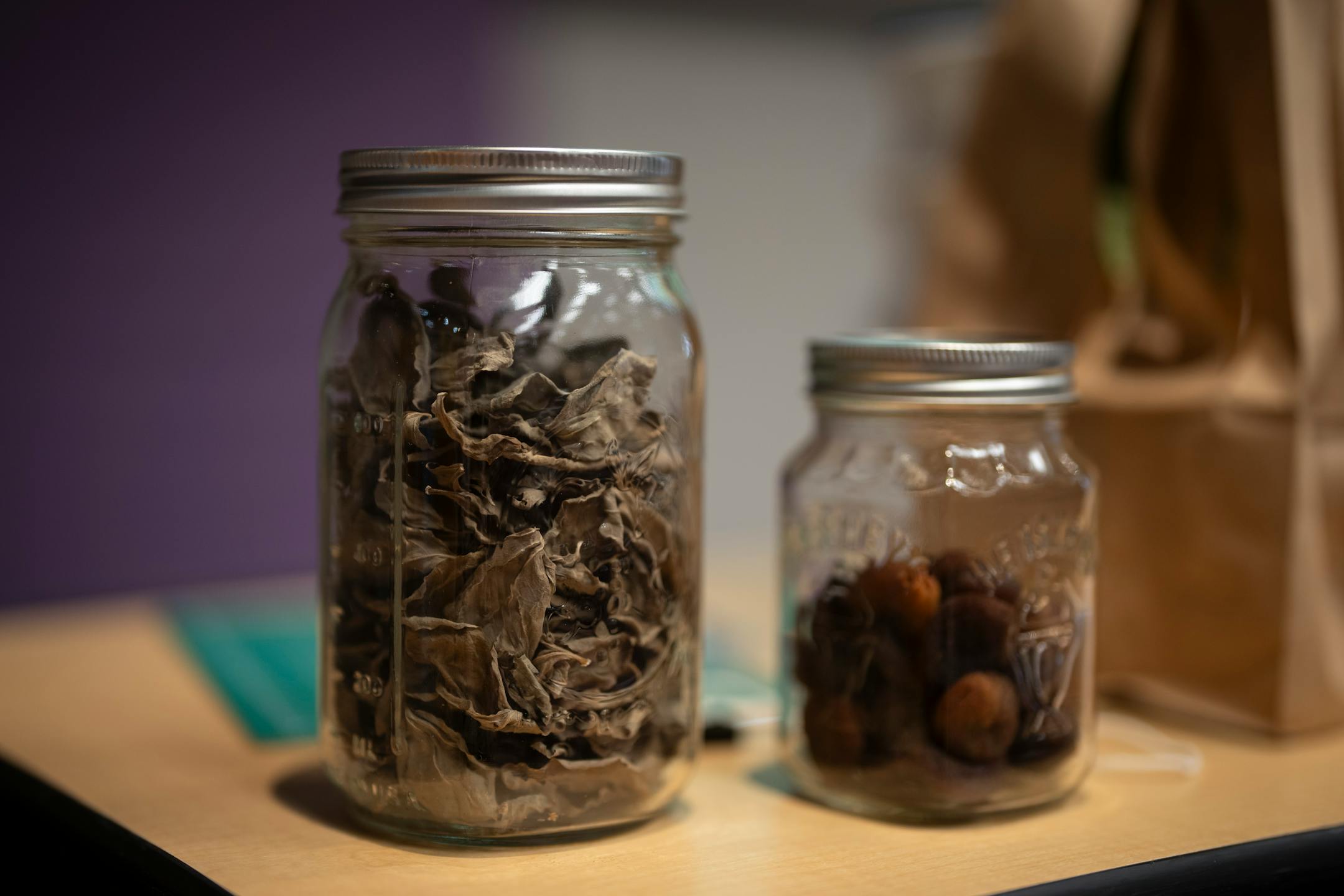
                      Dried basil and apricots serve as examples during DeLaCruz's presentation. (Renée Jones Schneider/The Minnesota Star Tribune)

                      What is it?

                      Freezing involves sealing food in a bag or container and storing it in subzero temperatures. Drying is the process of dehydrating food so that no moisture remains for yeast, bacteria or mold to grow. Officials with the University of Minnesota’s Master Gardener program list freezing and drying as some of the cheapest and easiest food preservation methods.

                      What is it used for?

                      Freezing and drying can be used for most foods, including fruits, vegetables and meats.

                      How easy is the method?

                      Very easy/easy.

                      Freezing advice?

                      • Treat fruits with ascorbic acid before freezing to preserve texture and flavor.
                        • Freeze foods soon after harvesting.
                          • Use correct, freezer-grade containers for storage.

                            Drying advice?

                            • Dehydrators and ovens are among the best options to dry foods in Minnesota.
                              • Vegetables and herbs are ready after drying when they are brittle and flaking.
                                • When drying fruit, pretreat it to ensure it has flavor and color. Blanch vegetables to stop enzymes.

                                  Do’s and don’ts

                                  Amy Johnston, a statewide educator on food safety for the University of Minnesota Extension, said an online trend called “rebel canning” surfaced in recent years. The trend describes instructors who often ignore federally approved guidance in favor of their own. But unsafe practices can lead to botulism, a food poisoning where spores grow in improperly sealed jars. Botulism can be fatal.

                                  “There’s not a safe, research-based canning recipe for every single type of produce that’s out there,” Johnston said.

                                  icon0:42
                                  Some tips from making and canning strawberry jam with a steam canner. (University of Minnesota Extension)

                                  University officials plan to work against such misinformation by releasing food preservation guides to teach more Minnesotans. That includes a home food preservation course that’s launching this August.

                                  Minnesotans who are interested in food preservation should start small to build confidence, according to Stephanie Thurow, a master food preserver and author of books like “Small Scale Homesteading: A Sustainable Guide to Gardening, Keeping Chickens, Maple Sugaring, Preserving the Harvest, and More.”

                                  “It’s a really great skill, especially for us in the north with our short warm season,” Thurow said. “We can’t grow year-round here, and so ... it’s almost like a treat.”

                                  icon0:44
                                  Be sure to listen for the pop at the end of the process. (University of Minnesota Extension)

                                  Few would know that better than Garrity, who plans to re-create her aunt Dorothy Rettey’s canned tomato recipe this year. Rettey, a North Dakota native who “gave freely” as a teacher and homemaker, taught Garrity her recipe before she died in 2014.

                                  “One thing my aunt Dorothy always used to say, and I think it’s one thing that drives me to want to can these tomatoes is, she said, every winter when she opens up a jar of her canned tomatoes, it was like opening up a jar of summer.”

                                  Correction: In a previous version of this story, Shelley Erickson's hometown was incorrect.
                                  about the writer

                                  about the writer

                                  Kyeland Jackson

                                  General Assignment Reporter

                                  Kyeland Jackson is a general assignment reporter for the Star Tribune.

                                  See Moreicon

                                  More from Eat & Drink

                                  See More
                                  card image
                                  Jeff Wheeler/The Minnesota Star Tribune

                                  The Minneapolis brewery told its members it was no longer a “fully functional business.”

                                  card image
                                  card image