

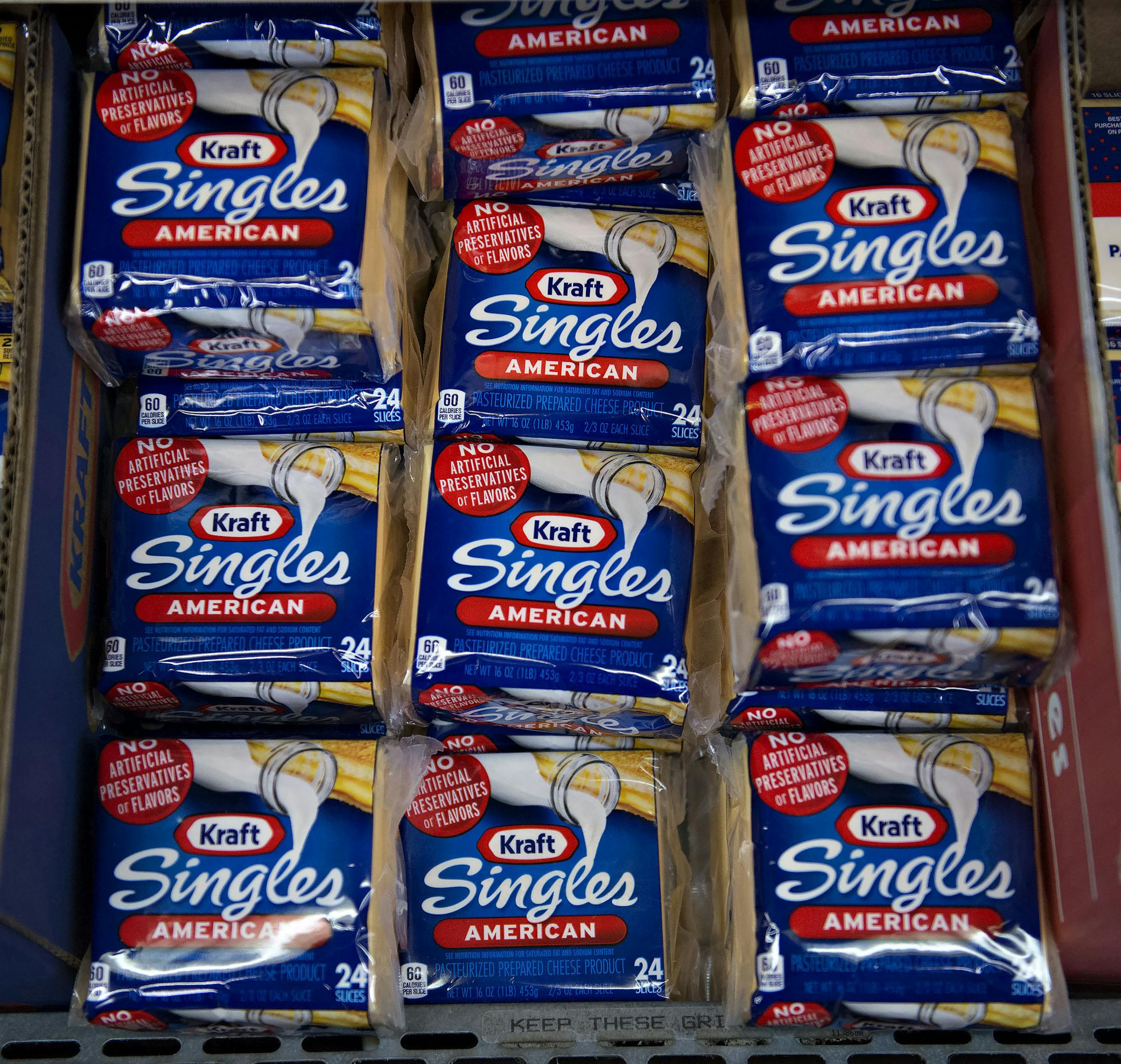
American cheese will never die. It has too many preservatives.
But it's melting away.
One by one, U.S. food outlets are abandoning the century-old American staple, with many replacing it with fancier cheeses.
Wendy's is offering asiago. A&W's Canada locations switched to real Cheddar. McDonald's is selling the Big Mac's soft, orange square of American cheese with a version that doesn't contain artificial preservatives. Panera Bread ditched its old-fashioned grilled cheese made with American and replaced it with a four-cheese combo of fontina, Cheddar, monteau and smoked Gouda. The result: higher sales.
American cheese is "an ingredient we're looking to less and less in our pantry," said Sara Burnett, the chain's director of wellness and food policy.
American (cheese) culture is at a crossroads. The product, made famous by the greatest generation, devoured by boomers on the go, touted as the basis for macaroni and cheese, and the well-documented love object of Gen X, has met its match with millennials demanding nourishment from ingredients that are both recognizable and pronounceable.
Don't rely on anecdotal evidence. The data show it, too. U.S. sales of processed cheese, including brands like Kraft Singles and Velveeta, a mainstay of delicacies such as ballpark nachos, are projected to drop 1.6 percent this year, the fourth straight year of declines, according to Euromonitor International.
Decline is also evident when looking at the manufacturing landscape. The number of U.S. cheese factories increased 40 percent between 2000 and 2017, but the growth is from small, specialty cheesemakers, said Matt Gould, editor at Dairy & Food Market Analyst Inc.



