

"Follow the Fed" has proven to be a relatively simple and successful investment strategy, but keeping up with the latest developments at our nation's central bank isn't as straightforward as it used to be.
Wondering when the Federal Reserve will raise interest rates is the usual inquiry. The uncertain timing of rate changes is a variable financial markets have grown accustomed to. The next few months, however, will also reveal answers to many other Fed questions.
The details of Fed tapering will be learned first. For most of the last 18 months the Fed has been buying at least $120 billion of bonds per month, but that pace will soon slow.
Reports suggest the titanic scope of current stimulus — roughly $750 million for every hour U.S. markets are open — will decrease by $15 billion per month, meaning smaller amounts of bond-buying will continue through next summer. The Fed's liquidity injections will moderate, but policy should remain accommodative to the economy (and to markets) for at least another nine months.
Inevitable increases to the Fed funds rate will come next, though it's not clear whether the Fed intends to eliminate all asset purchasing before raising rates or will juggle both changes concurrently.
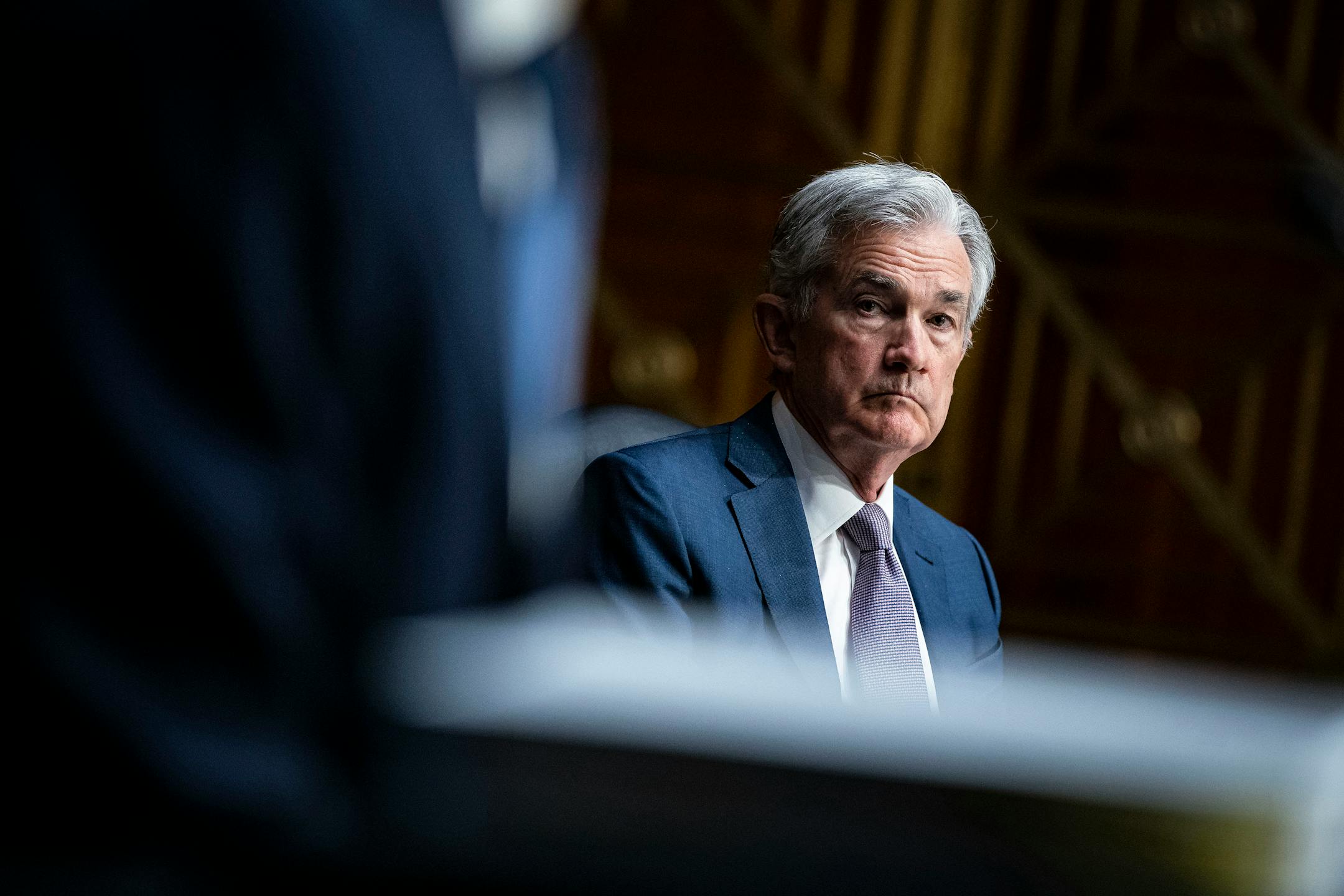
Taking precautions to avoid spooking markets is something Fed Chair Jerome Powell has excelled at, so we can bet whatever the Fed's strategy is for rate hikes will be articulated before its implementation. Powell's track record suggests he will wait as long as possible to raise rates, but with inflation pressures building, a policy change could come sooner than the consensus projects.
It's no exaggeration to say that Powell in the last four years has been one of the most powerful people on the planet, but his time in the spotlight may not last much longer. His four-year term as Fed chair will expire in February and it's not clear whether President Joe Biden will reappoint Powell or replace him.
Powell's tenure is generally viewed favorably, in large part based on the Fed's unprecedented response to the global pandemic and subsequent economic recovery it helped trigger.




