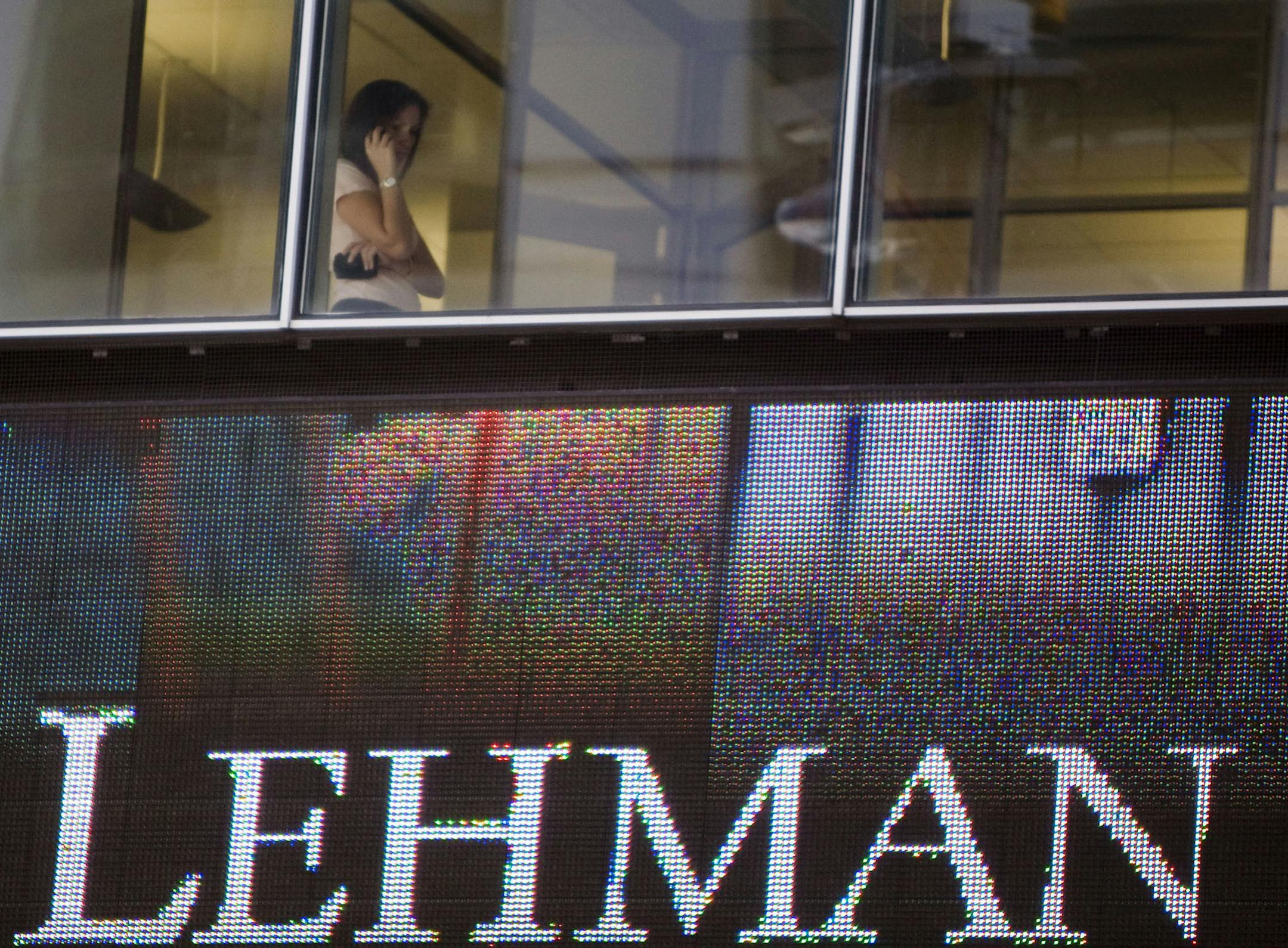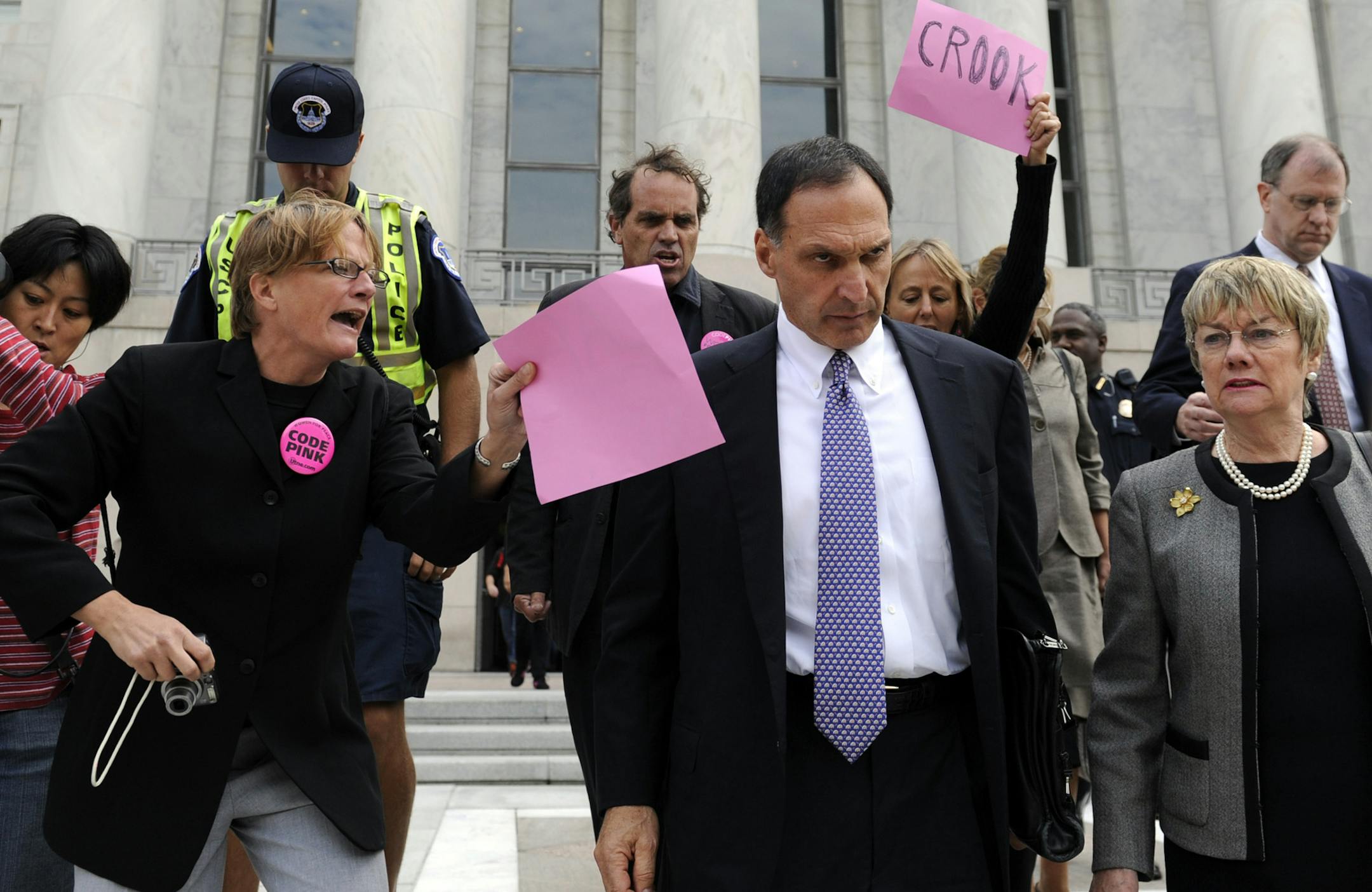
NEW YORK – Ruth Porat didn't see it coming.
The Morgan Stanley banker who advised the Treasury Department on its rescue of Fannie Mae and Freddie Mac in September 2008 and thought she understood the risks to the financial system had just spent a weekend trying to save Lehman Brothers Holdings Inc. when she got a message: Would she come back to deal with American International Group (AIG)?
"The call I got was 'We worked on the wrong thing,' " said Porat, 55, in an interview last month at the New York headquarters of the bank where she's now chief financial officer. That AIG "could vanish that quickly and the impact that could have throughout the country, and that nobody could see it coming, was just staggering."
Porat's own bank almost vanished when hedge funds, spooked by difficulties getting money out of bankrupt Lehman Brothers, pulled more than $128 billion in two weeks from Morgan Stanley. To stay afloat it sold a 20 percent stake, became a bank holding company and borrowed $107.3 billion from the Federal Reserve on a single day.
Five years after Lehman sank on Sept. 15, 2008, triggering the worst financial crisis since the Great Depression, Morgan Stanley is safe enough to survive a shock that devastating, Porat said. She and Chief Executive James Gorman, with prodding from regulators, led a drive to cut risk and boost capital to soften the next blow.
While the amount of capital at the six largest U.S. lenders has almost doubled since 2008, policymakers and some Wall Street veterans say that's not enough. They see a system still too leveraged, complicated and interconnected to withstand a panic, and regulators ill-equipped to head one off — the same conditions that led to the last crisis.
"We're safer, but we're not safe enough," said Stefan Walter, who led global efforts to revise capital rules as general secretary of the Basel Committee on Banking Supervision.
More than 50 bankers, regulators, economists and lawmakers interviewed by Bloomberg News disagreed about what needs to be done. Some said the six biggest U.S. banks have only gotten bigger since 2007 — a 28 percent increase in combined assets, according to data compiled by Bloomberg — making it harder to let them fail. Others said they weren't troubled by bigness or a system that requires government intervention every now and then, calling it an inevitable cost of financing global business.