

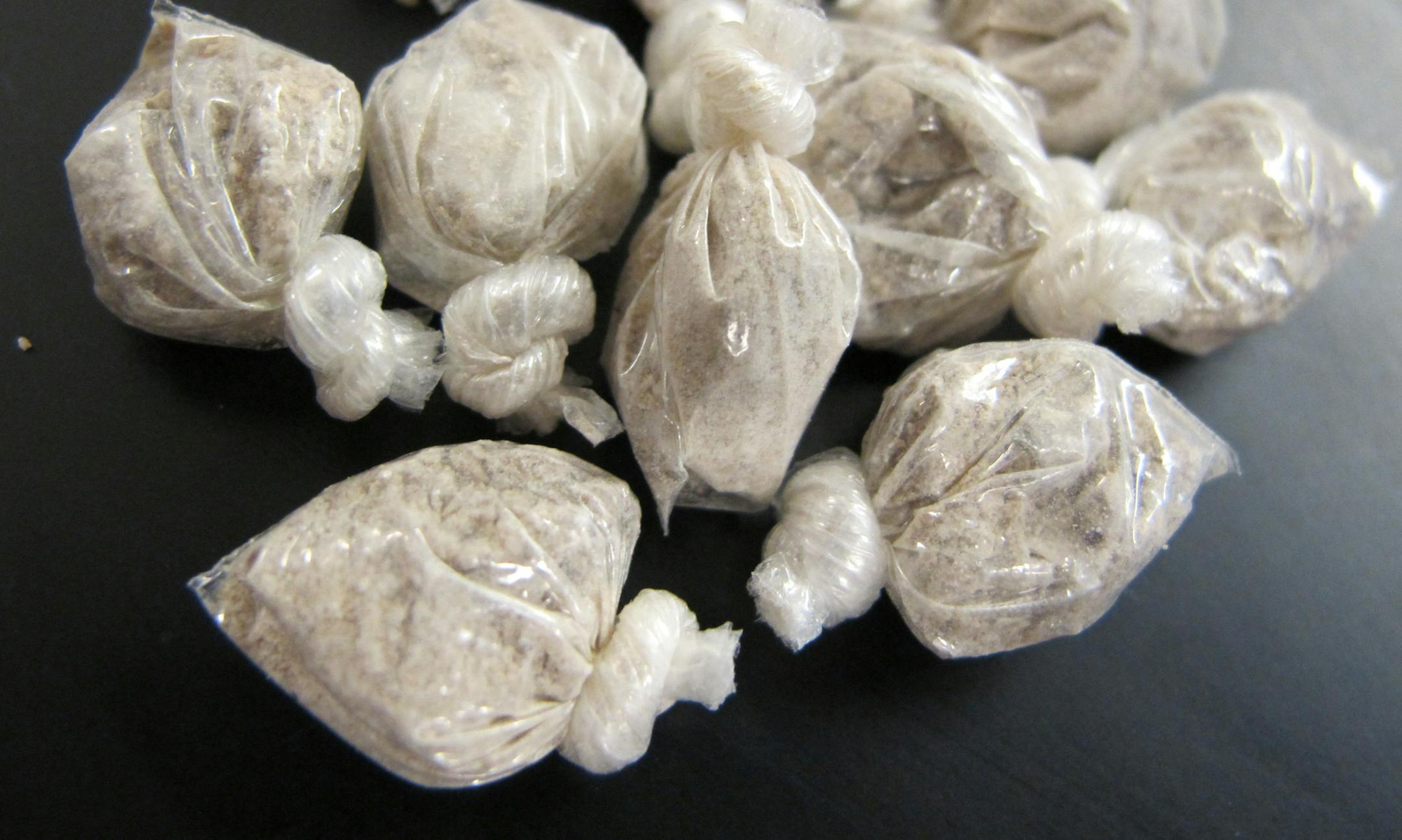
America's epidemic of heroin and prescription-pain-reliever addiction has become a major issue in the 2016 elections. It's worse than ever: Deaths from overdoses of opioids - the drug category that includes heroin and prescription analgesics such as Vicodin - reached an all-time high in 2014, rising 14 percent in a single year. But because drug policy has long been a political and cultural football, myths about opioid addiction abound. Here are some of the most dangerous - and how they do harm.
1. Most heroin addiction starts with a legitimate pain prescription, and most prescription opioid misuse leads to heroin addiction.
People who misuse prescription pain relievers are 40 times more likely to become addicted to heroin than those who don't, according to the Centers for Disease Control and Prevention. Recent research also shows that 75 percent of patients in heroin treatment started their opioid use with prescription medications, not heroin. That sounds like pain treatment is at the root of the problem, and the CDC is targeting doctors with new guidelines aimed at reining in prescriptions.
But overwhelmingly, prescription-drug misusers are not pain patients. According to the National Survey on Drug Use and Health, more than 75 percent of recreational opioid users in 2013-14 got pills from sources other than doctors, mainly friends and relatives. And even among this group, moving on to heroin is quite rare: Only 4 percent do so within five years; just 0.2 percent of U.S. adults are current heroin users.
The proportion of patients who become newly addicted to opioid medications during pain treatment is also low. A 2010 Cochrane review - considered the gold standard for basing medical practice on evidence - found an addiction rate of less than 1 percent. A study of more than 135,000 emergency-room visits for opioid overdose found that just 13 percent of patients had a chronic pain diagnosis.
Further, a 2015 study showed that only 6 percent of those who received an initial prescription for opioids took the drugs for more than four months; the authors didn't determine how many of those ongoing prescriptions were medically appropriate and what proportion were linked to addiction.
The real risk factor for opioid addiction is youth, not pain care. Like 90 percent of all addictions, the vast majority of prescription-drug problems start with experimentation in adolescence or early adulthood, typically after or alongside binge drinking, marijuana smoking and often cocaine use. Having a prior or current addiction to another drug is the best predictor of developing problems with prescription drugs - not pain care.
2. The best treatment for heroin addiction is inpatient rehab.


