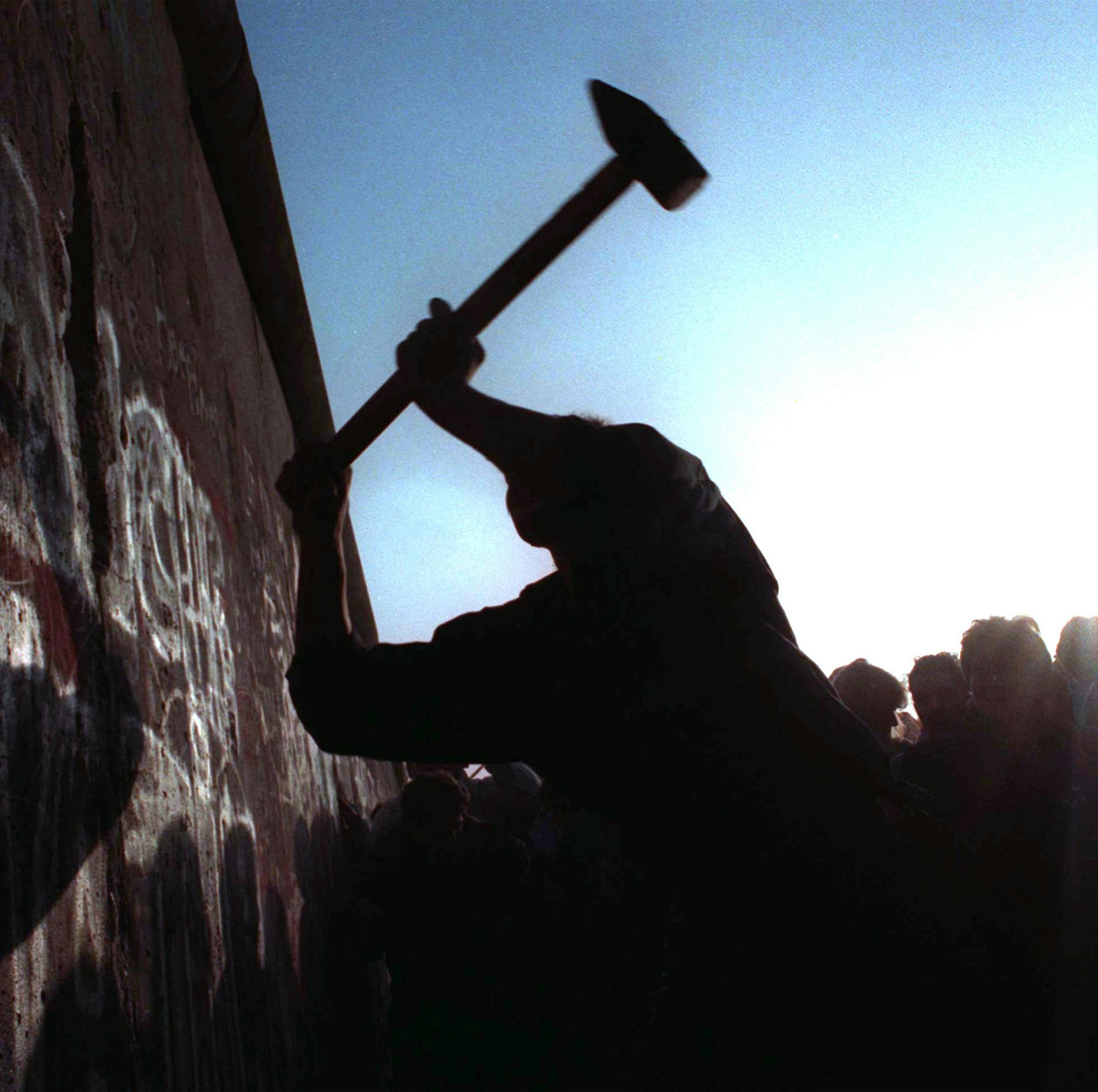
November marks 25 years since the world changed with the fall of the Berlin Wall. The event is now weighted down, not just by its historical significance but by interpretation, memory and legend. Many recall the coverage of jubilant Berliners dancing on top of the wall at the Brandenburg Gate on that evening, but what really happened — and what it really meant — are less clear. Let's tear down some misconceptions about this relic of the Cold War.
1) The Berlin Wall was one wall.
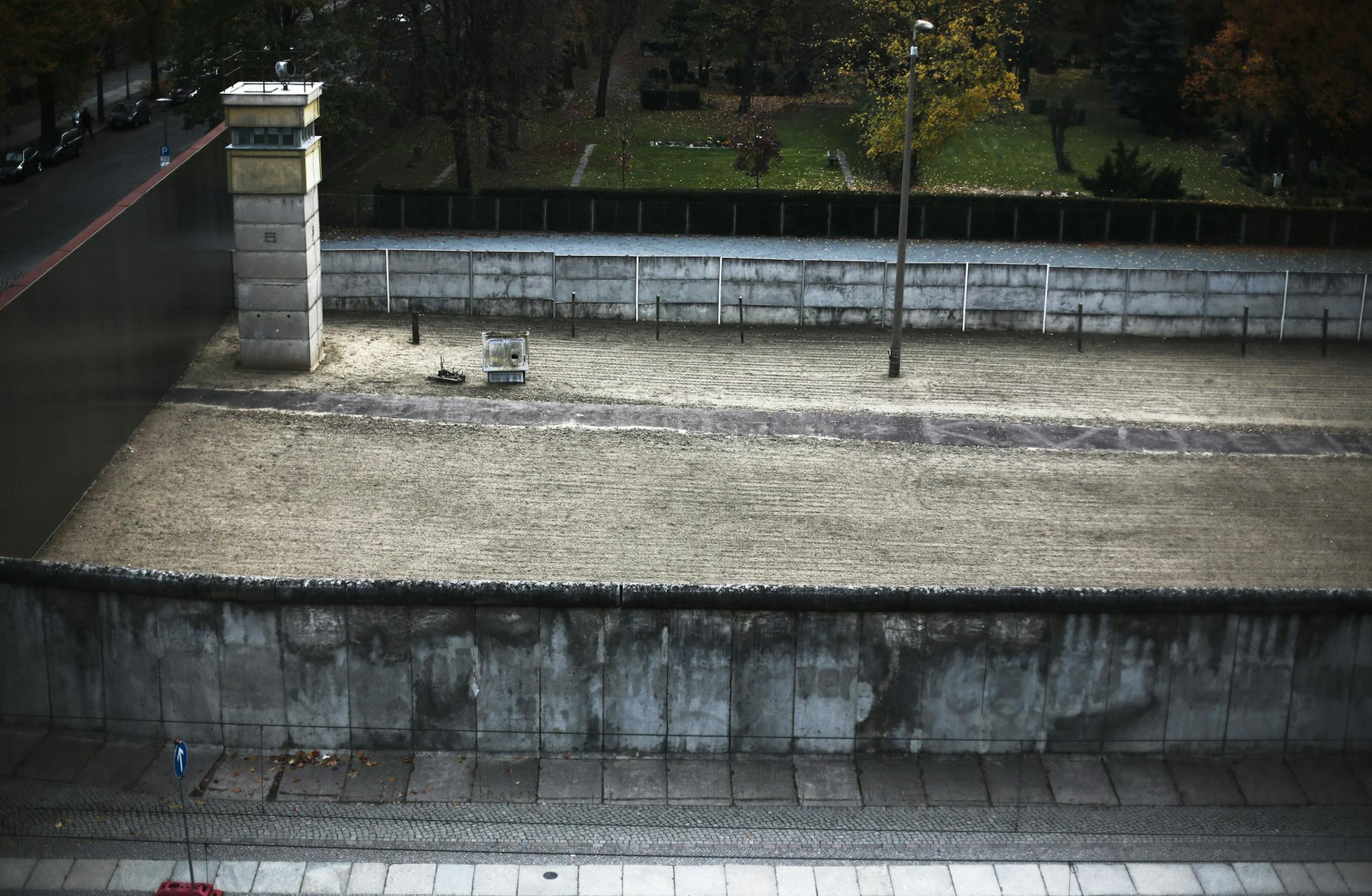
In fact it was two walls, separated by up to 160 yards, and between them was a "death strip" with dogs, guard towers, floodlights, tripwires, anti-vehicle obstacles and armed guards with shoot-to-kill orders. This 96-mile border encircled democratic, capitalist West Berlin, separating it from communist East Berlin and the surrounding East German countryside. Another barrier, with more than 1 million mines, was erected along the 850-mile border between East and West Germany. All of this was to keep East Germans in, not to keep others out.
More than 5,000 people managed to escape: By hiding in secret compartments of cars driven by people from the West, by flying over the wall in hot air balloons, by traveling through a tunnel West Berliners dug under the wall, by swimming across canals or rivers in Berlin, or by just making a run for it and being lucky. Hundreds, perhaps thousands, of people were killed trying to escape; others were caught and imprisoned. German researchers are still investigating exactly how many people died at the border.
2) Building the Berlin Wall was a key Soviet move in the Cold War.
In 1952, the Soviets closed the East-West German border, but since all of Berlin was still under the control of the Four Powers — the United States, the U.S.S.R., Britain and France — they left the city alone. When West Berlin became an escape hatch for disgruntled East Germans, the East German leader Walter Ulbricht wanted to close it down. The Soviets argued that sealing the border in Berlin would make them look brutal and was technically impossible.
For eight years, the East German leaders pushed their case with Kremlin leader Nikita Khrushchev and quietly began preparations for when he might acquiesce. They stockpiled barbed wire and cement posts, and formed a top-secret working group to plan for closing streets, railroads and subways. In the summer of 1961, when more than 1,000 East Germans were leaving every day via West Berlin, Khrushchev gave Ulbricht the go-ahead to seal the border. He was surprised to learn how prepared Ulbricht was to act quickly.
3) President Ronald Reagan brought down the wall.
Many Americans believe that Ronald Reagan's June 1987 speech in Berlin — "Mr. Gorbachev, tear down this wall!" — led to the wall's fall in 1989. However, Mikhail Gorbachev's reforms in the Soviet bloc were far more important than Reagan's speech, as were the actions of the East Germans themselves.
When the wall started to fall on Nov. 9, it was a mistake. In the face of mass protests against the regime in 1989 and thousands of East Germans seeking refuge at West German embassies in Eastern Europe, East German leaders waived the old visa rules stating that citizens needed a pressing reason for travel, such as a funeral or wedding of a family member. East Germans would still have to apply for visas to leave the country, but they would supposedly be granted quickly and without any requirements.
Yet the Communist Party official who announced these changes, Guenter Schabowski, missed most of the key meeting about the travel procedures and went unprepared to a news conference on Nov. 9. In response to reporters' questions about when the new law would take effect, he said, "Immediately, without delay." Schabowski left the impression that people could immediately cross the border, though he meant to say they could apply for visas in an orderly manner.