

Just because President Obama and Congress haven't cut a deal to avoid tax increases and spending cuts that will threaten a new recession, is that any reason for investors to freak out and sell stocks, bonds and retirement funds?
Investment advisers, trying to preserve healthy 2012 gains in the markets after a decade of pathetic results, are pushing clients to stay calm about the mess in Washington.
While the financial markets will be nervous until there is a deal, "the underlying economic data continues to offer encouraging signs," Mark Luschini, chief investment strategist at Janney Montgomery Scott, wrote in a note to clients Wednesday.
"[Though] investors are being bombarded with suggestions to sell, Vanguard urges you to be cautious," said investment analyst Sarah Hammer, in one of a string of hand-holding video and written commentaries the fund giant has posted to try to persuade clients to hold on to their retirement accounts instead of dumping them to buy, say, gold, or high-yield, high-risk junk debt.
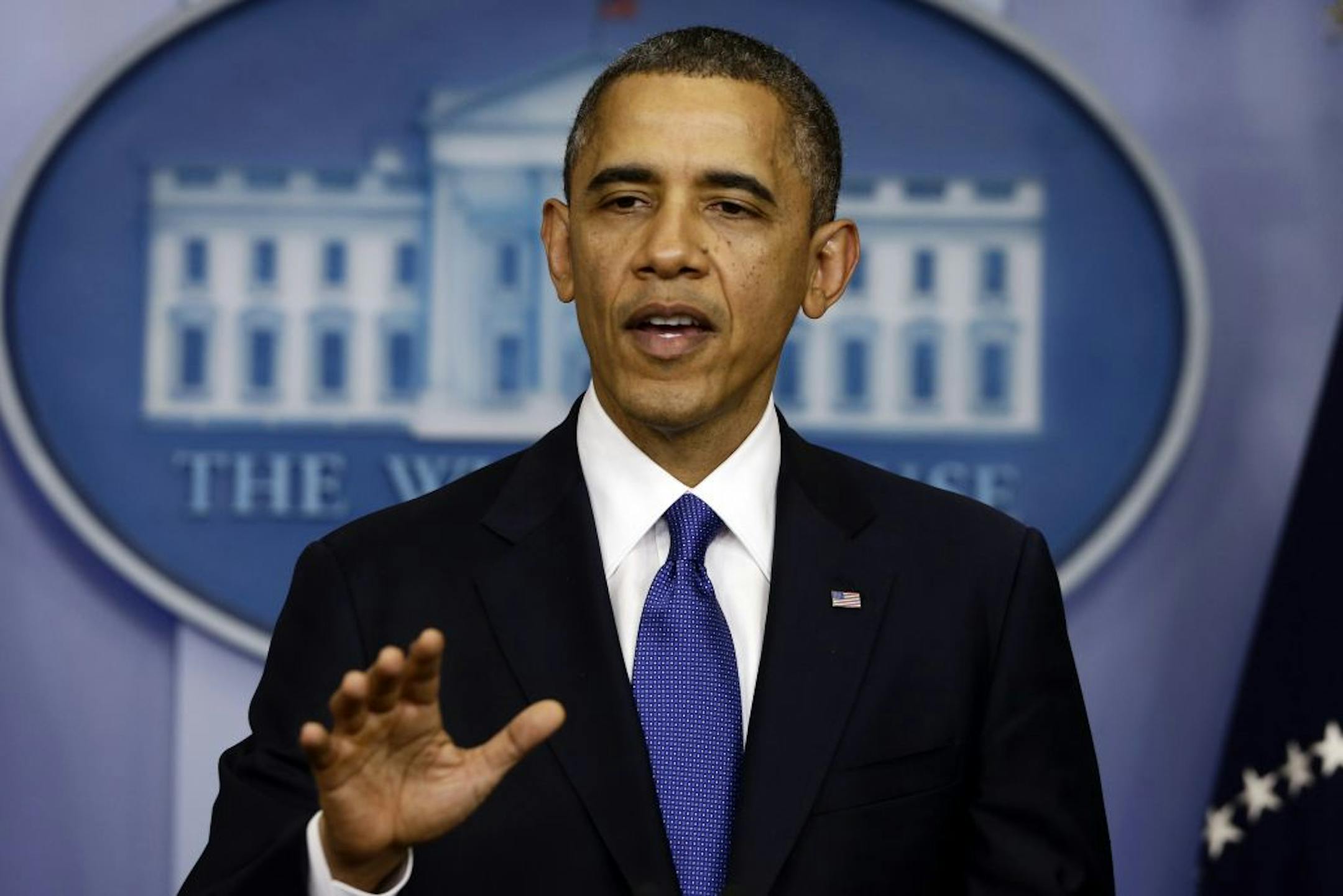
Obama was scheduled to return to Washington early Thursday from a Christmas vacation in Hawaii. Congress is to reconvene Thursday. If the president and the Senate and House fail to reach an agreement, hundreds of billions of dollars of tax increases and federal spending cuts could jolt the U.S. economy.
The overhang of the fiscal cliff deadline did not overwhelm the markets on Wednesday. The Dow Jones industrial average slipped just 0.2 percent.
There is a chance for an abridged deal before Jan. 1 that would allow some higher taxes for wealthier Americans and fewer budgets cuts. Or an agreement might be achieved in the first weeks or months of 2013. But many observers believe either of those developments would still unnerve the financial markets and affect the economy at a time when housing and other economic indicators give some confidence that the new year could see a fast-improving economy.
Some of the consequences of tumbling over the cliff would be immediate, such as an end to some unemployment benefits. Others, such as huge cuts in government spending, would have a cumulative effect that would spread over 2013, analysts said.



