

Opinion editor's note: Star Tribune Opinion publishes a mix of national and local commentaries online and in print each day. To contribute, click here.
•••
Among Russian assumptions when it invaded Ukraine were European division and American distraction.
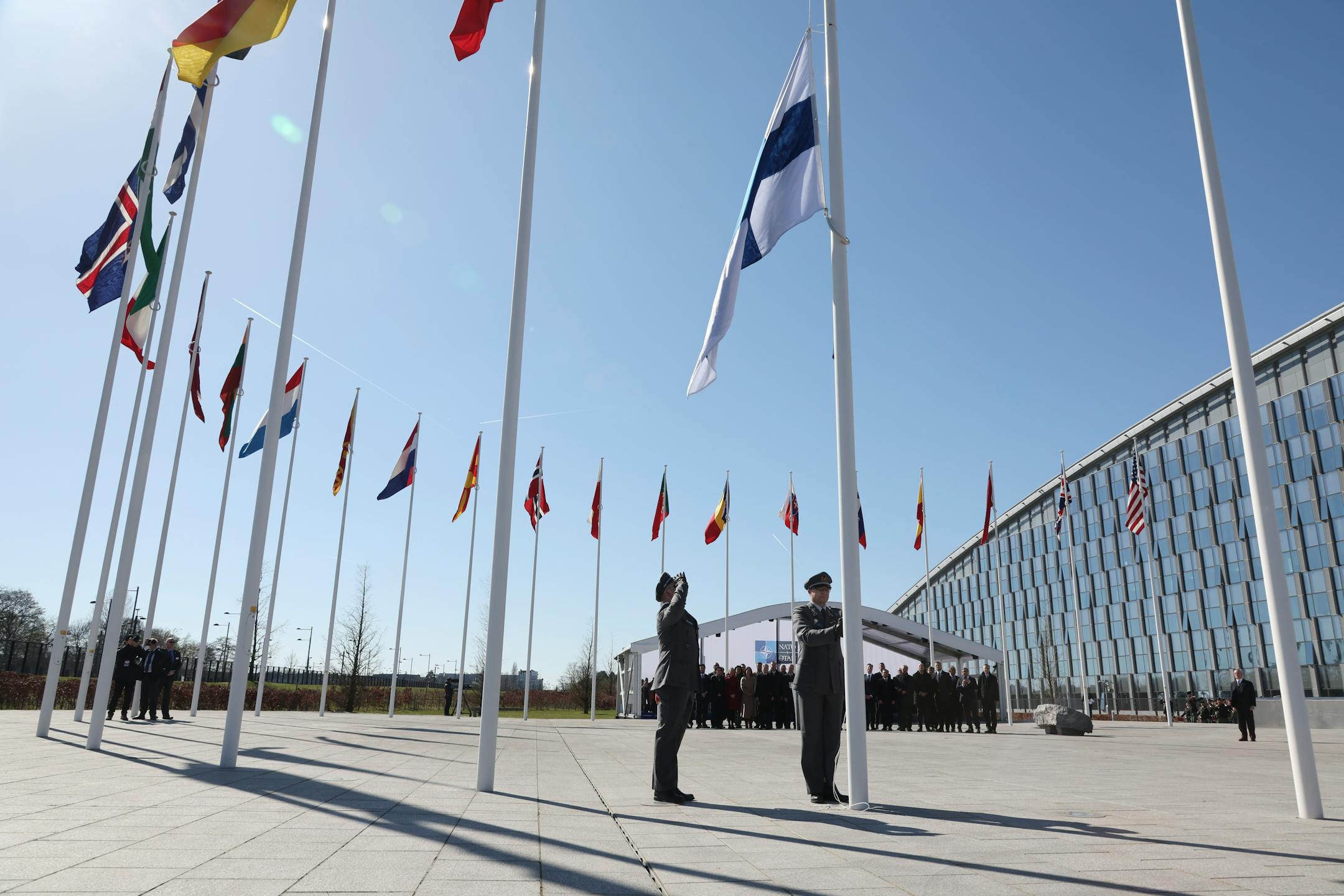
Instead, what it got was a doubling of its border with NATO nations when Finland officially became the alliance's 31st member last month.
Notably, NATO's enlargement came as a response to Russian revanchism, not the cause of it, said Mikko Hautala, Finland's ambassador to the United States.
Hautala, in Minnesota this week, said in an interview that "I don't buy for a day the idea that NATO enlargement has provoked Russia, because Ukraine was nowhere near getting that kind of status. I think on the contrary, the Russians saw, or they concluded, that Ukraine was weak enough to be invaded. They also concluded that Europeans would be too divided to be seriously considered as a counterforce. They also thought that the U.S. was too distracted by domestic issues, by China, so that they wouldn't really resist this blatant attempt."
Russia "misread us," said Hautala, who read the Kremlin as Finland's envoy to Moscow from 2016 to 2020: "A long-term Russian theory of the West is that we are kind of getting lazy, and we are getting soft, and we don't want to take on these kind of challenges."
While Hautala acknowledged there may have been some evidence to convince the Russians, "when we saw a really serious challenge, a kind of blatant violation of international law and the level of violence, I think it also woke up even those who were sleeping at the moment."


