

Sometime around Christmas, Megan Ney learned from her bank that someone else had successfully applied for a debit card in her name.
A few days later, she heard from Target Corp. that her debit card information had been stolen in a data breach. Ney believes the two episodes are related, though her bank and Target say they can't tell her for sure.
Ney, a 29-year-old oil and gas company accountant from Tulsa, shops less at Target now and often only with cash because she's still nervous about the data breach. She wants to know if Target failed to meet payment security standards and how it will be sanctioned if it was at fault.
"If I'm going to continue to be shopping there," Ney said, "I want to know that my identity and my banking information are protected."
But even as cyberthreats grow in frequency and sophistication, the system for ensuring payment card security in the United States remains a closely guarded arrangement among the credit card networks who set it up, the banks who process payments for merchants and the merchants themselves.
No regulator ensures that companies meet minimum requirements for protecting data. No public database tells consumers which companies lost customer information through poor performance or neglect, or when and how much they were fined. Banks and credit card companies determine fault on a case-by-case basis through private contracts with individual merchants. Fines and the reasons for them remain sealed.
"It's this mafia monopoly. It really is," said Avivah Litan, a financial services security analyst at Connecticut-based Gartner Research. "It's a highly flawed process."
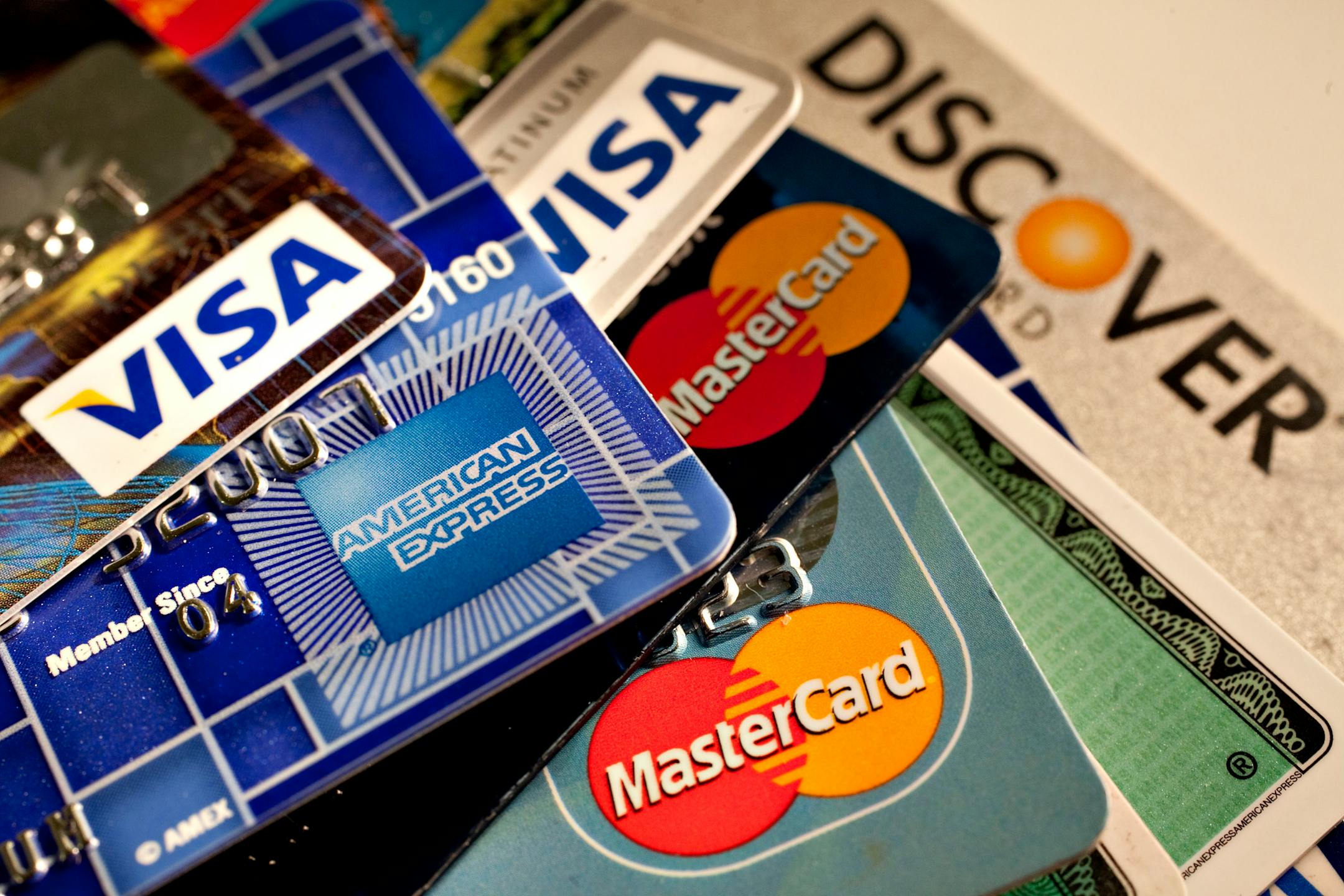
The Payment Card Industry (PCI) Security Standards Council, which sets the standards for protecting card information, was created by the world's five major card brands — Visa, Discover, MasterCard, American Express and JCB (Japan) — nearly eight years ago. Run by the card networks, the council doesn't collect information on compliance. It sets standards.


