

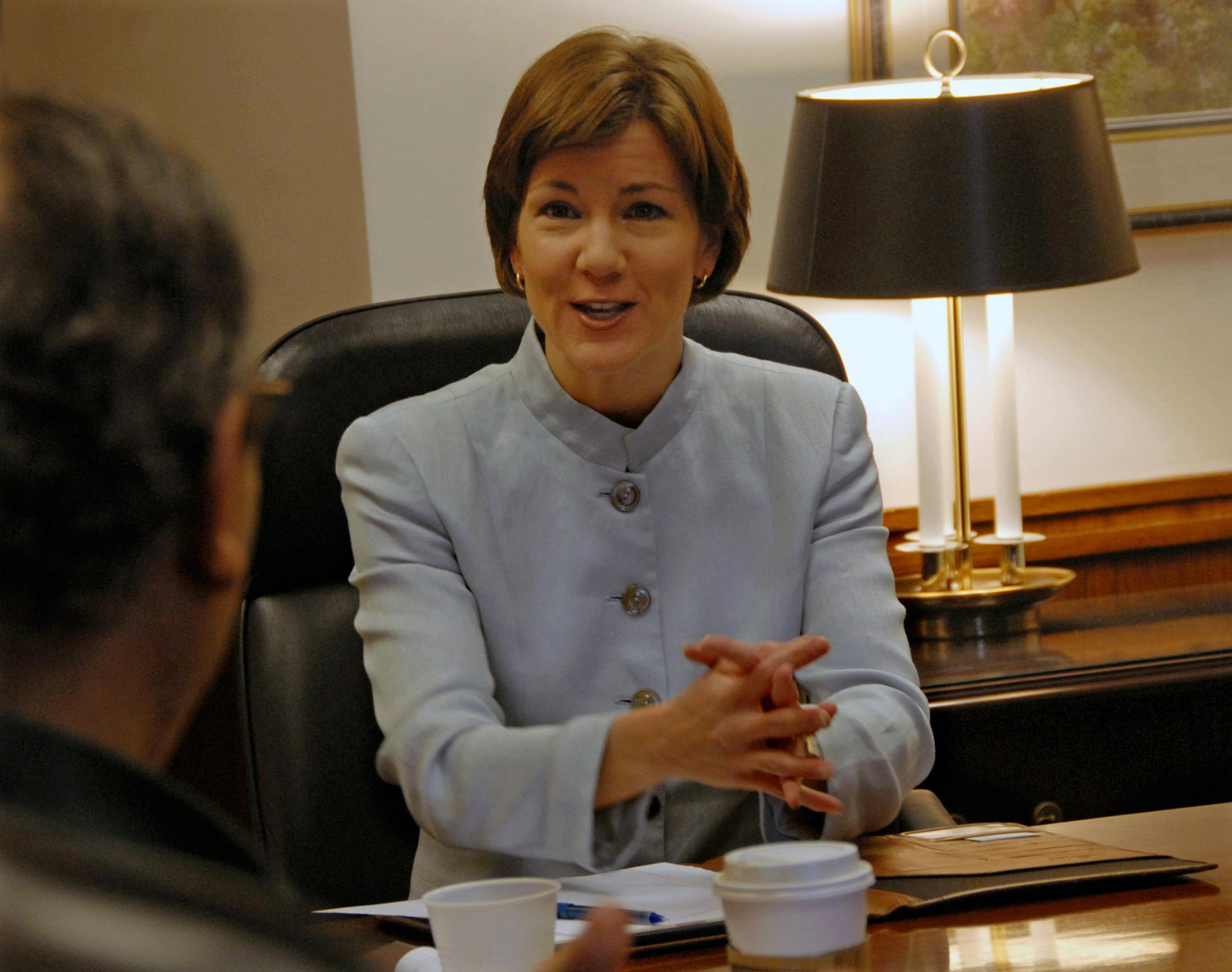
Consumer advocates -- including the state's attorney general -- threw down the gauntlet Friday to challenge Minnesota Power's proposal to increase home customers' electricity prices an average of 24 percent -- compared with 3.5 percent for big commercial users. But the utility and business groups defended the shift as a step toward fairness.
Attorney General Lori Swanson called the prospect "rate shock," and the Minnesota Citizens Federation Northeast called the cost distribution "lopsided and unfair," in news conferences and testimony filed with the Minnesota Public Utilities Commission. The PUC will decide the fate of the Duluth-based utility's first application since 1994 to raise its base rates.
"It's not fair, and we believe any rate increase should not be leveled primarily on the backs of residential customers and small businesses," Swanson said in an interview.
But the Minnesota Chamber of Commerce defended the redistribution of costs, saying the big commercial customers -- many of them taconite plants and paper mills on the Iron Range -- have long subsidized residential rates, something that they no longer can afford.
"To make them pay more than their costs is to ignore the realities of a world marketplace, now that these companies are finally a little competitive and they can create jobs," said William Blazar, a senior vice president at the chamber.
Minnesota Power filed its rate request in June, starting a 10-month PUC review process. The utility is asking for an annual rate increase of 9.5 percent overall, or $45 million; an interim increase of 7.5 percent started Aug. 1. An Allete company, Minnesota Power has about 141,000 retail customers and 16 municipal wholesale customers in northern Minnesota.
Executive Vice President David McMillan said the utility's need to meet state-mandated targets for renewable energy and conservation is one factor in the total dollar request. "You can't get there if you continue to price energy at 1970 and 1980 levels," McMillan said.
The shift in pricing stems from a cost-of-service analysis that shows that residential customer rates don't cover the added expenses of delivering small amounts of electricity to many customers, compared with a lot of energy to one big customer, he said.


