

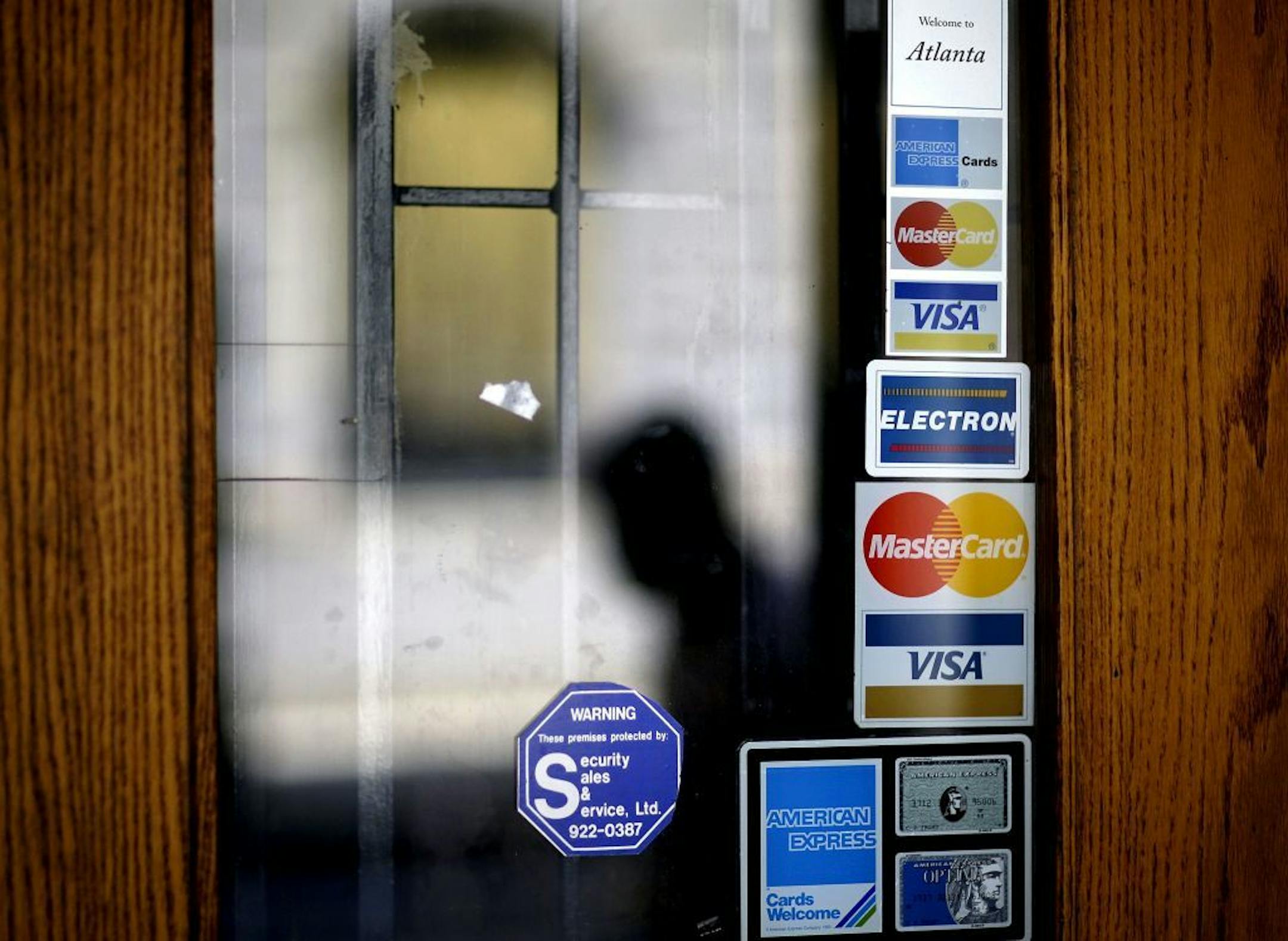
WASHINGTON - After helping negotiate the largest antitrust settlement in U.S. history against credit card companies and banks, Minneapolis lawyer K. Craig Wildfang might reasonably have expected a standing ovation from the retail industry.
So far, much of what he's received are Bronx cheers.
Many of the country's biggest retailers, who were not parties to the case, want the $7.25 billion deal dead. Mark Williams, president of financial services at Richfield-based Best Buy, said the settlement "does almost nothing to address why U.S. consumers and merchants continue to pay higher [credit card] costs than nearly every other developed country."
Minneapolis-based Target Corp. believes the settlement has "serious substantive and legal defects" that "perpetuate a broken system" of uncontrolled credit card fees that costs Target hundreds of millions of dollars each year, said spokeswoman Jenna Reck.
Experts expect major retailers and trade associations to fight all the way to the U.S. Supreme Court if necessary to kill or materially change the settlement. Opponents say it leaves credit card companies with too few limits on fee increases and prohibits future lawsuits.
Georgetown University law Prof. Adam Levitin, a consumer finance expert, speculated that credit card fees could become a flash point in the U.S. House and Senate, the way debit card fees did in 2011 when Congress voted to restrict them in an amendment to financial regulatory reform.
Levitin thinks judicial approval of the current settlement would up the legislative pressure to pass a better long-term solution.
Last week, a majority of the merchants and trade associations that brought the lawsuit against Visa, MasterCard and several banks seven years ago announced plans for a new legal filing. This one will ask a federal appeals court to throw out the settlement, a motion which U.S. District Judge John Gleeson granted preliminary approval to on Nov. 9.



