
Feds fine Wells Fargo $250M for 'unsafe or unsound' home lending practices

Meanwhile, the Consumer Financial Protection Bureau's consent order regarding the bank's retail sales practices has expired.

Tribune News Service
September 11, 2021 at 12:18PM
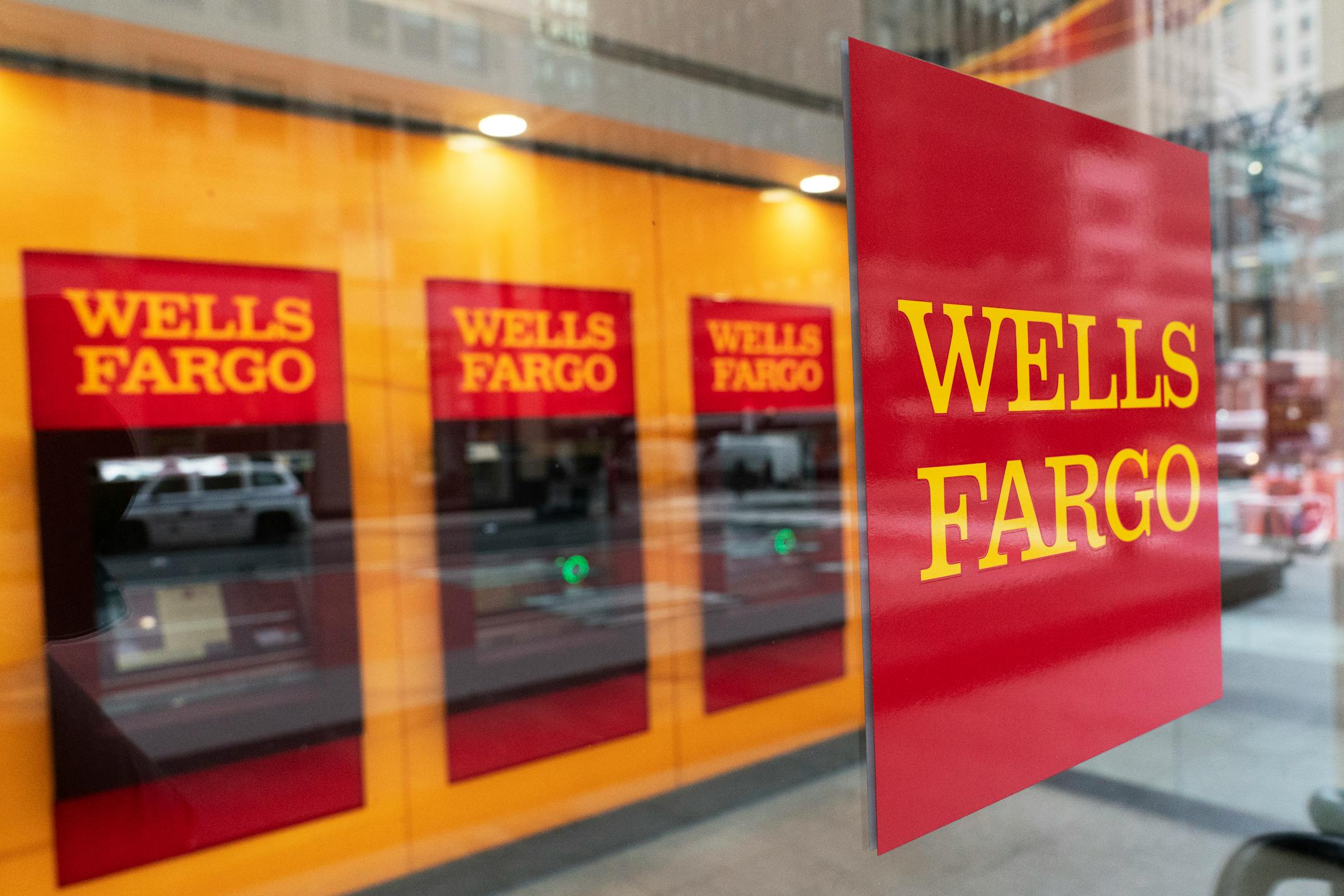
A Wells Fargo office in New York. (Mark Lennihan, Associated Press file/The Minnesota Star Tribune)

Wells Fargo has been fined $250 million by the Office of the Comptroller of the Currency for "unsafe or unsound practices" related to the bank's home lending business, according to the bank and the agency Thursday.

The OCC, Wells Fargo's top federal banking regulator, imposed the penalty on the bank for misconduct "related to material deficiencies regarding the bank's loss mitigation activities" and violations of a 2018 consent order issued by the agency, according to OCC documents.

The 2018 order required the bank to take a variety of actions to account for deficiencies in its risk management program, including creating a new risk management plan and forming an independent committee to evaluate its progress. The order addressed misconduct related to mortgage and auto loans, among other violations.

"Building an appropriate risk and control infrastructure has been and remains Wells Fargo's top priority," Charlie Scharf, Wells Fargo's CEO, said in a statement. "The OCC's actions today point to work we must continue to do to address significant, longstanding deficiencies."

The OCC also issued a cease and desist order against Wells Fargo on Thursday.

The order restricts the bank from acquiring certain third-party residential mortgage servicing and requires the bank to ensure that borrowers are not transferred out of the bank's loan portfolio until remediation is provided, according to an OCC press release.

The agency said it issued the order based on the bank's failure to establish an effective home lending loss mitigation program. Loss mitigation refers to the process in which mortgage lenders and borrowers seek alternatives or work together to avoid foreclosure.

With about 7,000 employees, San Francisco-based Wells Fargo is the third largest employer in Minneapolis.

The fine comes nearly five years to the day after the discovery of Wells Fargo's 2016 fake accounts scandal. The bank is still operating under a $1.95 trillion asset cap imposed by the Federal Reserve in the aftermath of the violations.

'A mixed bag'

Also on Thursday, Wells Fargo reported that, effective Wednesday, a Consumer Financial Protection Bureau's consent order issued in September 2016 regarding the bank's retail sales practices had expired.

In Scharf's statement, he called the order's expiration reflective of the bank's progress.

"We have done substantial work designed to ensure that the conduct at the core of the consent order — which was reprehensible and wholly inconsistent with the values on which this company was built — will not recur," he said.

The fake accounts incident rocked the banking world when it came to light that for more than a decade, hundreds of thousands of Wells Fargo employees opened millions of fake accounts in customers' names, among other misconduct.

Kyle Sanders, an analyst at Edward Jones who covers Wells Fargo, called Thursday's news a "mixed bag" for the bank. He said the benefit of being out from under the CFPB order might marginally outweigh the effects of the OCC's actions.

He said the bank still seems committed to addressing the issues at the heart of its 2016 scandal, he said. But it's a marathon, not a sprint, he said.

"It's a reminder that a lot of these issues are very old and very complicated, and they're not easy fixes," Sanders said. "For Wells to finally get out of the penalty box, in terms of all the regulatory issues, it's going to be a long haul."

At least 11 former bank executives have been charged by or settled with regulators since the misconduct was discovered, including former CEO John Stumpf, who was banned from banking in 2020.

In early 2020, Wells Fargo agreed to pay $3 billion to resolve the criminal and civil probes of its phony sales practices between 2002 and 2016, federal prosecutors and the Securities and Exchange Commission announced at the time. The bank also entered into a deferred prosecution agreement.

about the writer

about the writer

Hannah Long/Charlotte Observer

More from Business

See More
card image
Khalid Mohamed/Sahan Journal

The new café was born when owners decided to open a third space especially welcoming to Palestinian and Salvadoran customers.

card image
card image