2:43
2:43The Wall Street euphoria that greeted Thursday's news from the Federal Reserve will help the economy only if it's shared by consumers.
And that depends to a large extent on the housing market, a key target of the Fed's latest action, said Tom Welle, president of First National Bank in Bemidji, where the housing bust erased hundreds of jobs in the wood products industry and shut down homebuilders.
"It's a huge segment that was pulled out from the economy when everything went so stagnant," Welle said. "That comes from that lack of consumer confidence."
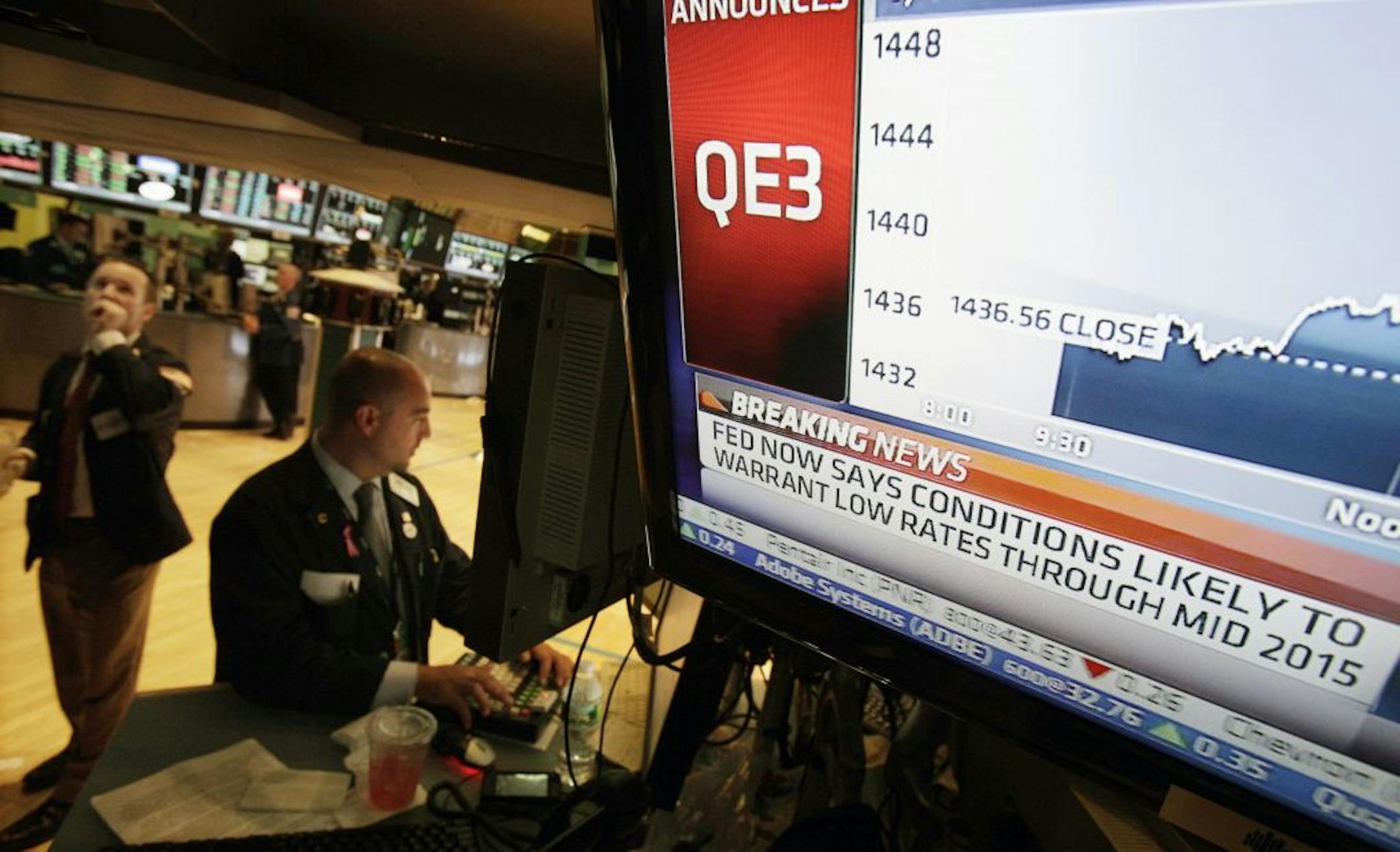
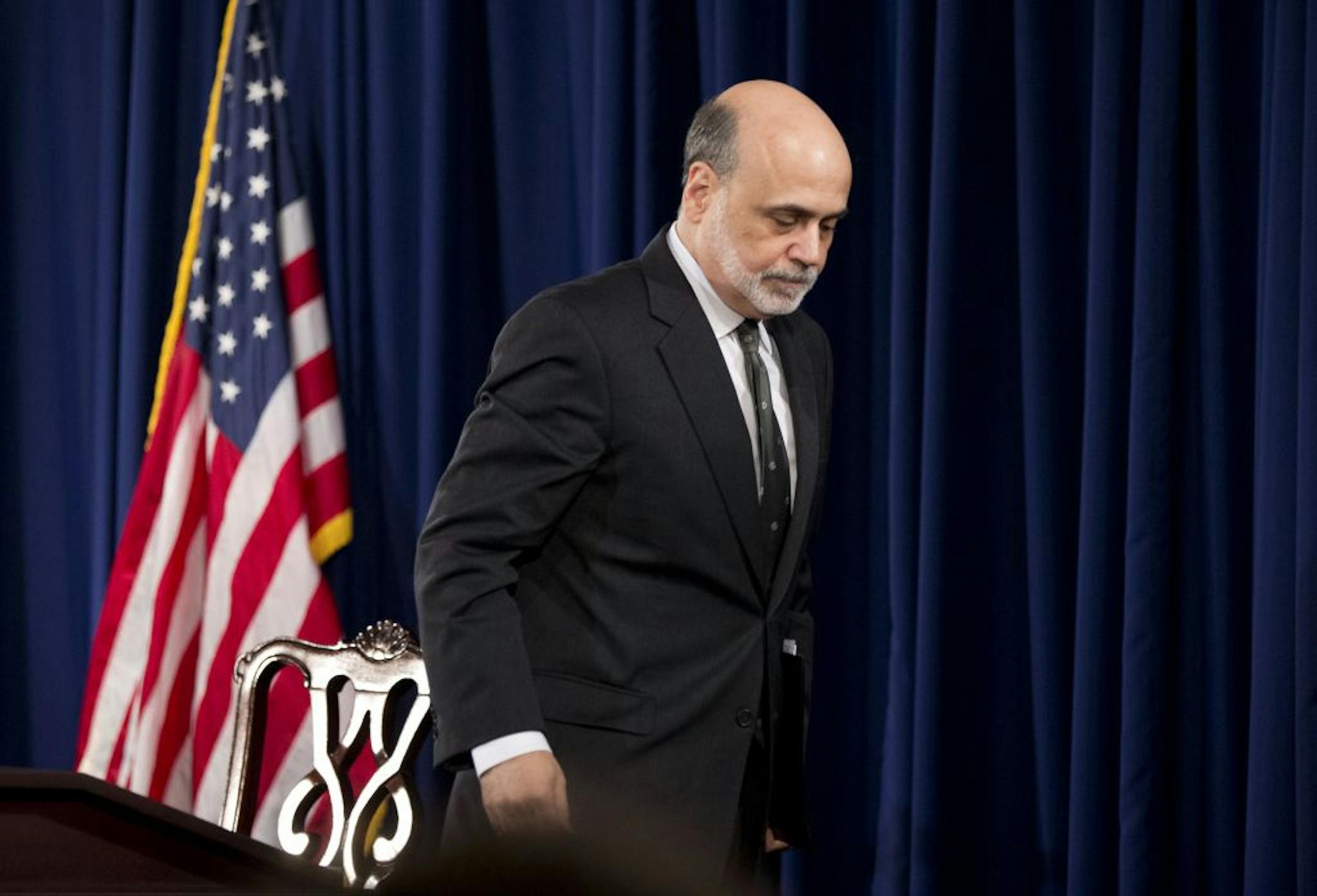
Fed Chairman Ben Bernanke said Thursday that the central bank will do a third round of quantitative easing to combat stubbornly high unemployment. The bond-buying is designed to drive down interest rates further, encourage more lending and create jobs. It's not a new concept, though the Fed's open-ended commitment is.
Inasmuch as the move helps the housing market recover, this third round of quantitative easing will be helpful, said Jack Ablin, chief investment officer at BMO Harris in Chicago. The first two rounds helped the housing market stabilize, and a third round could give it more momentum.
He likes to point this out: In 2008, the 30-year mortgage rate was 5.6 percent, and now it's around 3.5 percent.
"That, for a given payment, now allows buyers to take on 25 percent more buying power," Ablin said. "It's gone a long way to help housing, but in terms of other lending, it's hard to know."
The Fed is also trying to get businesses to borrow more money and grow, a task that's been confounding.