
Advertisement

Fed's Kashkari urges Congress to act, suggests fresh lockdown

Bloomberg News
August 2, 2020 at 11:22PM
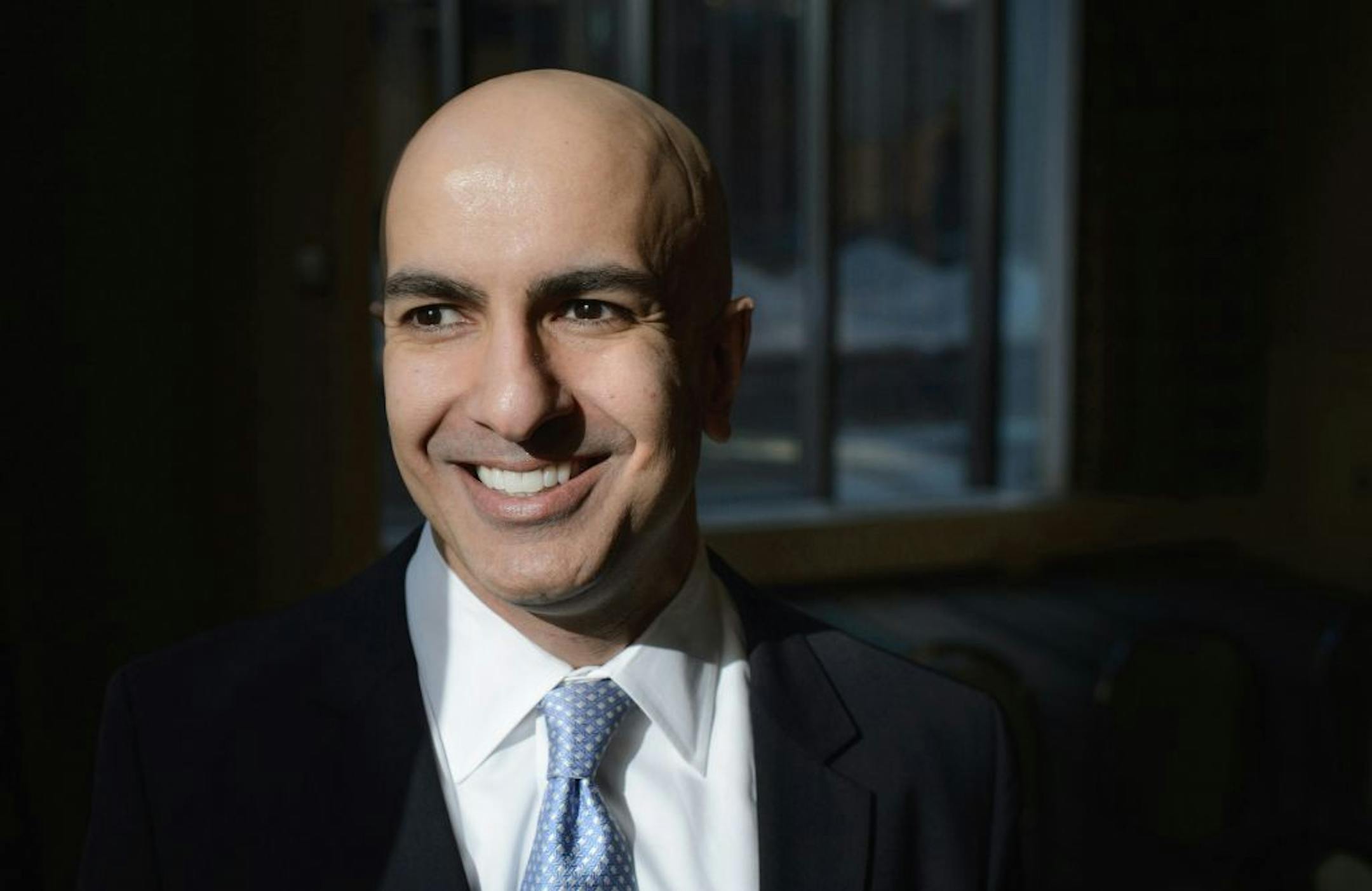
Federal Reserve Bank of Minneapolis President Neel Kashkari told CBS's "Face the Nation" that Americans are saving more because they aren't going out as much during the pandemic, and as a result there would be less need to borrow from abroad to finance additional fiscal aid.
Federal Reserve Bank of Minneapolis President Neel Kashkari told CBS's "Face the Nation" that Americans are saving more because they aren't going out as much during the pandemic, and as a result there would be less need to borrow from abroad to finance additional fiscal aid. (Star Tribune/The Minnesota Star Tribune)
Advertisement

The surging U.S. savings rate means the country can afford to support Americans laid off due to the coronavirus pandemic, while a "hard" lockdown could deliver a faster economic recovery, a senior Federal Reserve official said on Sunday.

Federal Reserve Bank of Minneapolis President Neel Kashkari told CBS's "Face the Nation" that Americans are saving more because they aren't going out as much during the pandemic, and as a result there would be less need to borrow from abroad to finance additional fiscal aid.

"So while historically we would worry about racking up too much debt, we're generating the savings ourselves. That means Congress has the resources to support those who are most hurting," he said.

"Right now the U.S. can fund itself at very, very low rates. Congress should use this opportunity to support the American people and the American economy."

Kashkari is a voter this year on the rate-setting Federal Open Market Committee.

U.S. lawmakers and the Trump administration are wrangling after enhanced unemployment aid for as many as 30 million jobless Americans expired. Democrats and Republicans are looking for common ground on the jobless benefits and other help for an economy sagging under the weight of pandemic-induced shutdowns.

Fed officials, after cutting interest rates aggressively, have repeatedly pointed out the need for more support from the fiscal side to help the nation endure the pandemic. The U.S. central bank last week left interest rates near zero and pledged to use all its tools to support the economy, which shrank at a record pace in the second quarter as the virus spread.

Hopes of a speedy rebound have been dimmed as high-frequency economic indicators suggest a stall in activity given rising or persistently high infection rates in certain parts of the country.

Advertisement

Kashkari said that the path of the economy would hinge on success in getting the pandemic under control, and suggested that while very unpopular, a stringent economic lockdown might be the lesser of two evils to more quickly restore growth and hiring, rather than waiting for the eventual arrival of a vaccine.

"If we were to lock down hard for a month or six weeks, we could get the case count down so that our testing and our contact tracing was actually enough to control it," Kashkari said.

"If we don't do that, and we just have this raging virus spread throughout the country with flare-ups and local lockdowns for the next year or two, which is entirely possible, we're going to see many, many more business bankruptcies."

about the writer

about the writer

Alister Bull

More from Business

See More
card image
Elizabeth Flores/The Minnesota Star Tribune

Waning consumer demand and volatile commodity prices have put pressure on poultry producers. Life-Science Innovations already owns other bird facilities throughout the state.

Todd Geselius, vice president of agriculture at the Southern Minnesota Beet Sugar Co-op, shows what a sugar beet looks like when it is harvested in the field on Sept. 9, 2015 in Renville, Minn. (Jim Gehrz/Minneapolis Star Tribune/TNS) ORG XMIT: 1175088 ORG XMIT: MIN1510142301350530
card image
Advertisement