

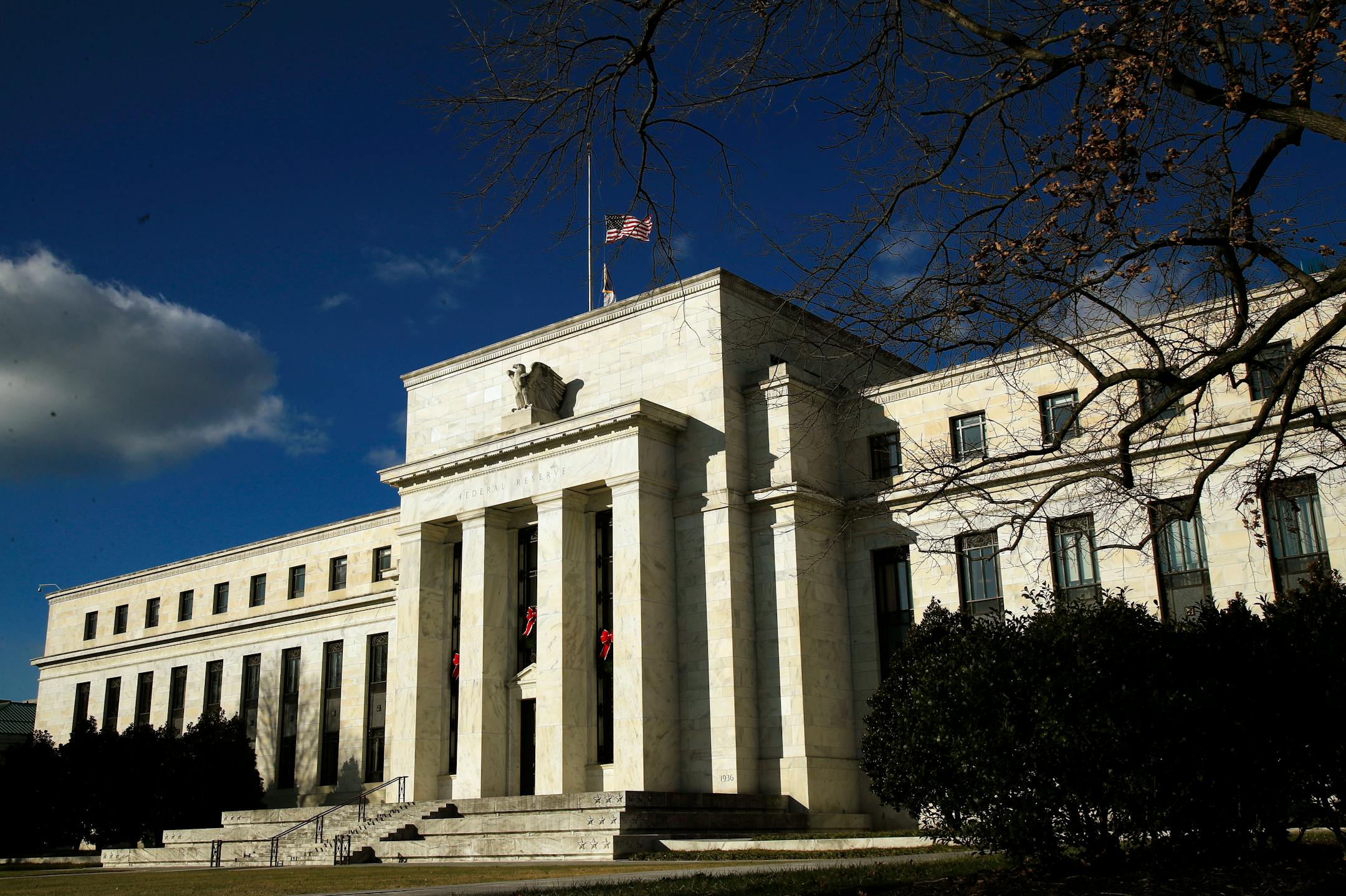
The law requires Federal Reserve officials to do what they can to foster maximum employment, yet it's becoming obvious they really won't know when or even if the economy ever gets there.
Last spring, the president of the Dallas Federal Reserve Bank, at the sort of local Chamber of Commerce event regional Fed presidents attend, made news by explaining that the economy hadn't just arrived at maximum employment, it may have already shot past it.
He must have been wrong or we would not have just had heard about 312,000 new jobs in the last national employment report, maybe three or four times more as could be expected from growth in population. But there's no reason to pick on this Fed bank president, as lots of other savvy people have made the same call.
A survey of economists a year ago found that they were roughly divided between those who thought full employment had been reached and others who said not yet, but gosh it was close.
We might not be very close even a year later.
The unemployment rate, released every month by the Bureau of Labor Statistics, just isn't all that reliable anymore on the economics dashboard, so it's hard to tell if the economy could still accelerate without the risk of overheating. As for how the formal unemployment rate looks lately, you would have to go back to 1969 to see it as low as it was last fall.
Last year was also the first time there were more job openings than unemployed workers, going back as far as those records were kept. That's maximum employment, right? If there are more job openings than there are people to fill them, how much hotter can the job market even get?
Yet employers continue to hire and create new jobs. Wages only stubbornly inch up. And so many people came into the workforce that last month's report with the big jobs number also noted that the unemployment rate actually ticked up, to 3.9 percent.



