

Wireless technology is creating new possibilities for implantable medical devices, from monitoring heart rhythms from a world away to adjusting the amount of insulin a diabetic receives.
But according to a just-released U.S. Government Accountability Office report, such technology has also opened the doors to hackers.
As a result, the GAO is calling for the U.S. Food and Drug Administration to develop a plan enhancing its surveillance of medical devices. Part of that process will place a sharp eye on information security.
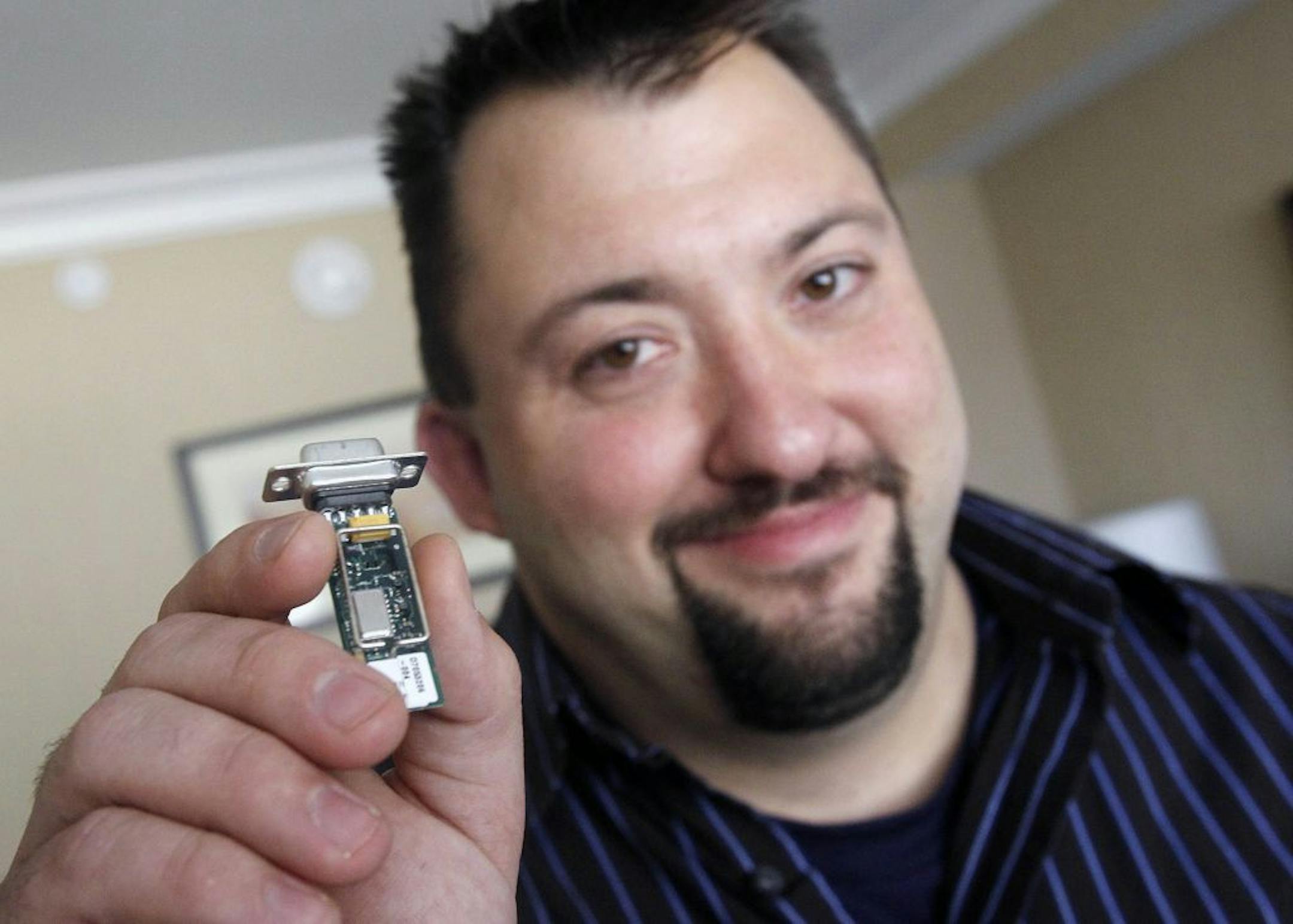
Just last August, researcher Jay Radcliffe stood on a Las Vegas stage and hacked into his own insulin pump, disabling its life-saving therapy. Radcliffe said the pump had "pretty much no security on it" -- a vulnerability it shares with pacemakers, implantable heart defibrillators and other medical devices.
His presentation at the annual Black Hat computer security conference highlighted a risk the medical device industry has downplayed, arguing that only someone with advanced skills could hack the devices.
On Thursday, Radcliffe lauded the GAO report, calling it "a really good start."
"I think this report will put pressure on the FDA to come up with a process for making fixes," Radcliffe said.
The FDA is responsible for regulating medical devices and ensuring their safety. When the FDA has looked at devices' vulnerability to threats, the agency has focused more on unintentional threats, such as MRI machines or electromagnetic energy in the environment, the GAO said.



