
Faribault Mill launches sustainable, budget-friendly blanket line

The company also is opening a new store at the Galleria.

The Minnesota Star Tribune
September 10, 2025 at 10:43PM
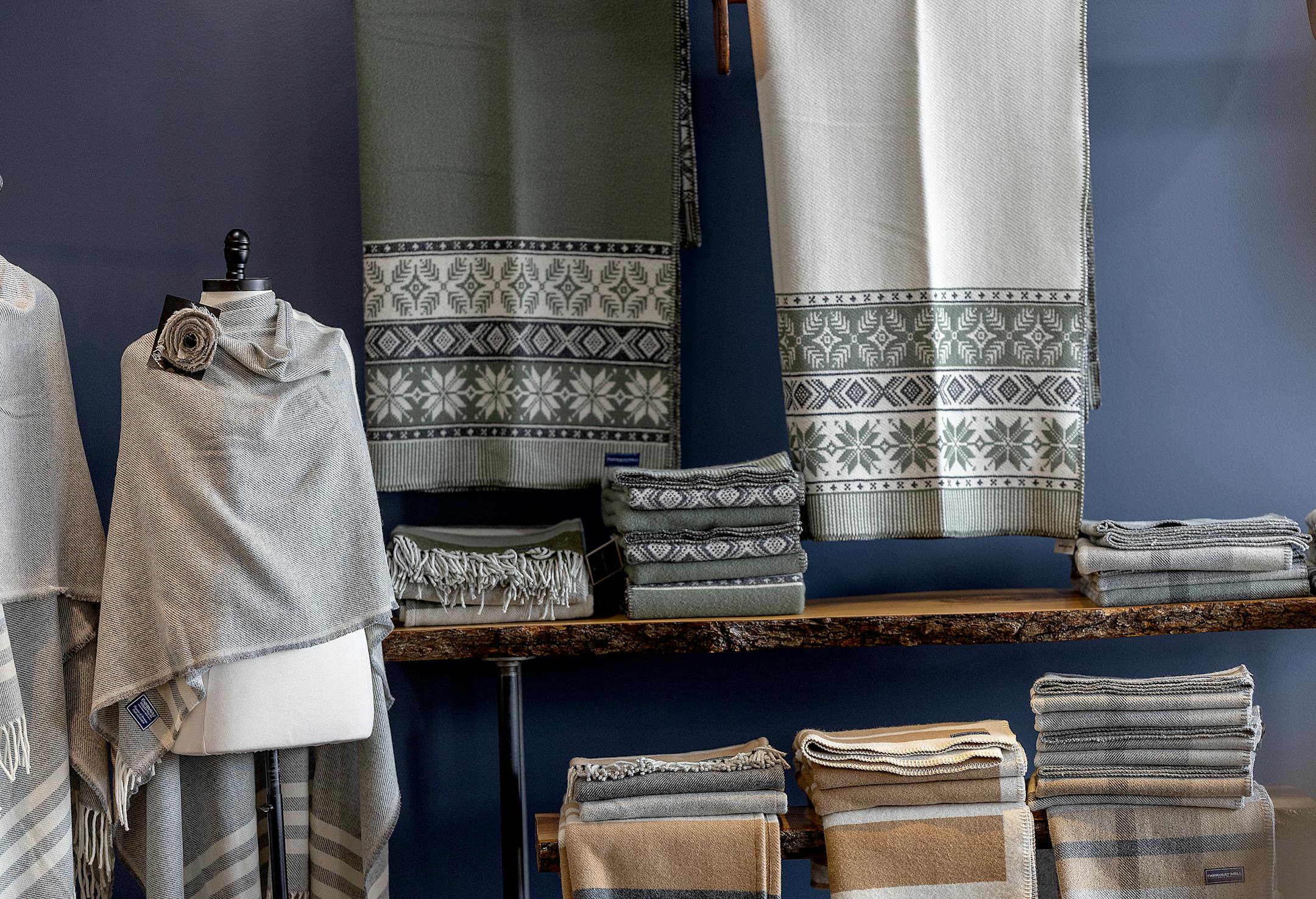
Products on display for purchase at the historic Faribault Mill in 2024. (Elizabeth Flores/The Minnesota Star Tribune)

FARIBAULT, MINN. – Faribault Mill has introduced a new line of blankets that is both more sustainable and budget-friendly.

The new line marks a rare shift in strategy for the mill, known for heirloom-quality products often priced well above $200.

With the North Star collection, Faribault Mill aims to meet a growing demand for sustainable goods at a more approachable price point.

The company also has reduced prices on some of its other blankets and is opening a new store Sept. 18 at the Galleria.

The new throws made with lambswool, recycled polyester and recycled and virgin cotton start at less than $100.

“With the North Star Collection, we’re making our legacy of quality available to even more people, and doing it in a way that’s mindful of our planet,” said Ross Widmoyer, president and CEO of Faribault Mill. “We call it sustainable, approachable luxury.”

The launch coincides with Faribault Mill’s 160th anniversary and a greater push to expand its reach.

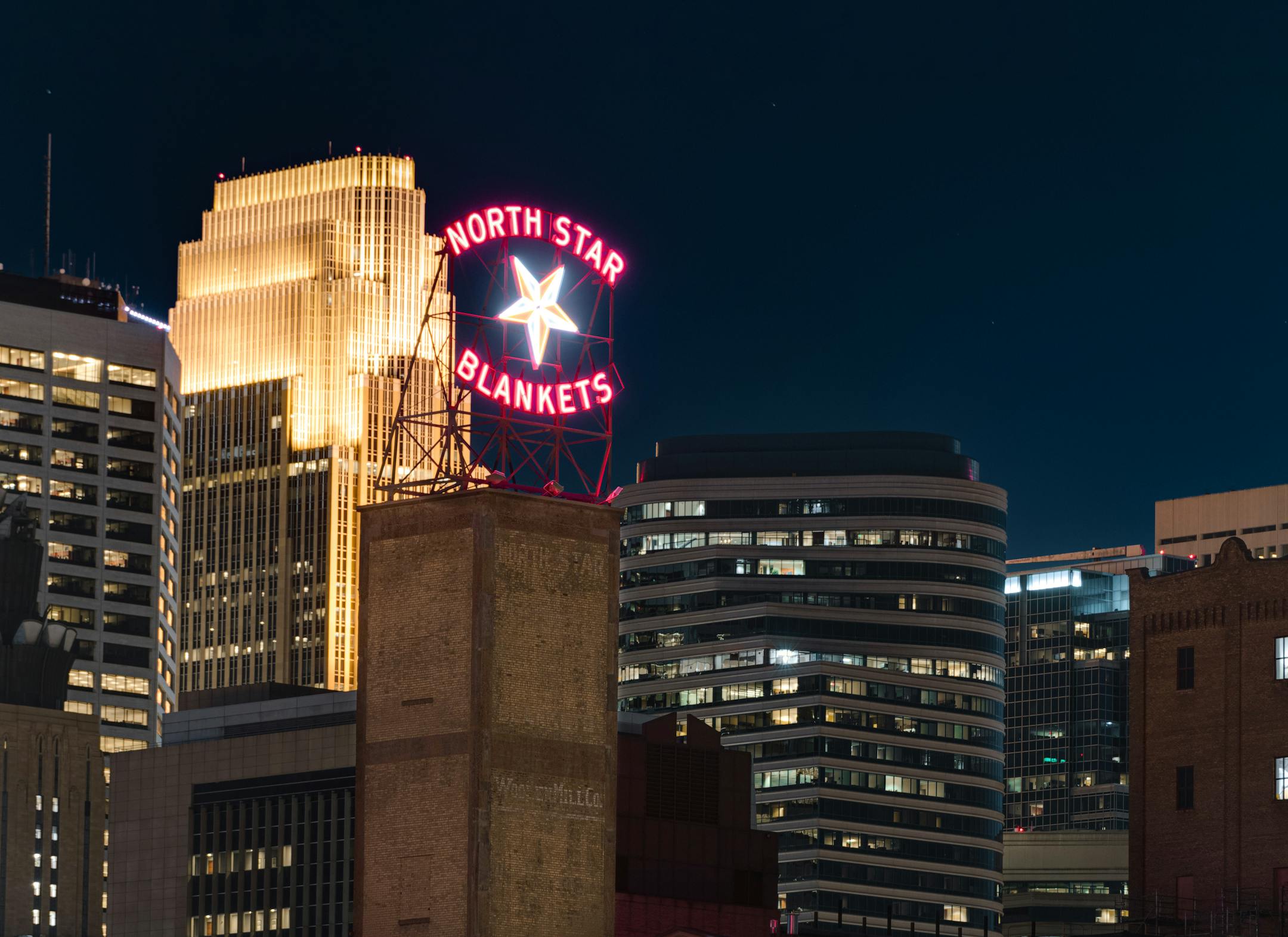
The collection’s name pays tribute to Minnesota’s long textile history, including the now-shuttered Minneapolis mill, remembered by its glowing rooftop “North Star” sign near the Stone Arch Bridge.
Widmoyer said the design process took more than two years, with multiple iterations to ensure softness and durability. The teams went back and forth, weighing the different yarn, weave and finishing options before bringing it to the market.

Faribault Mill's newest collection pays tribute to the company's long textile history, including the now-shuttered Minneapolis mill, remembered by its glowing rooftop “North Star Blankets” sign near the Stone Arch Bridge. (Faribault Mill)
The idea for a more affordable line came as American consumers were being hit with high post-pandemic inflation rates.

While the inflation rate has decreased to less than 3%, families’ budgets are still being pinched by price increases that came when rates were at record highs. And now consumers are worried about the effect of evolving tariff policies.

“We knew our higher price points put us out of reach for some households,” Widmoyer said.

The company also had extra manufacturing capacity.

As consumer costs surged, the company invested in new machines at its flagship Faribault mill, adding efficiencies and allowing the company to produce blankets up to three times faster than before.

Unlike many apparel and home-goods companies, Faribault Mill has been mostly shielded from tariffs and supply chain disruptions.

Because the company weaves and finishes its blankets in the U.S., with yarn sourced from American partners, it avoids some of the costs and delays associated with global textile brands.

The yarns for the North Star collection are purchased from a company in Rhode Island.

“For us, it’s been business as usual,” Widmoyer said.

It also has given the company more control over pricing, Widmoyer said, allowing it to launch the more affordable line and reduce prices for some other styles.

Faribault remains one of the last two vertical woolen mills in the U.S., producing blankets for both consumers and the U.S. military.

The company recently secured new five-year contracts with both the Army and Navy — the first time a single mill has supplied both services simultaneously, Widmoyer said.

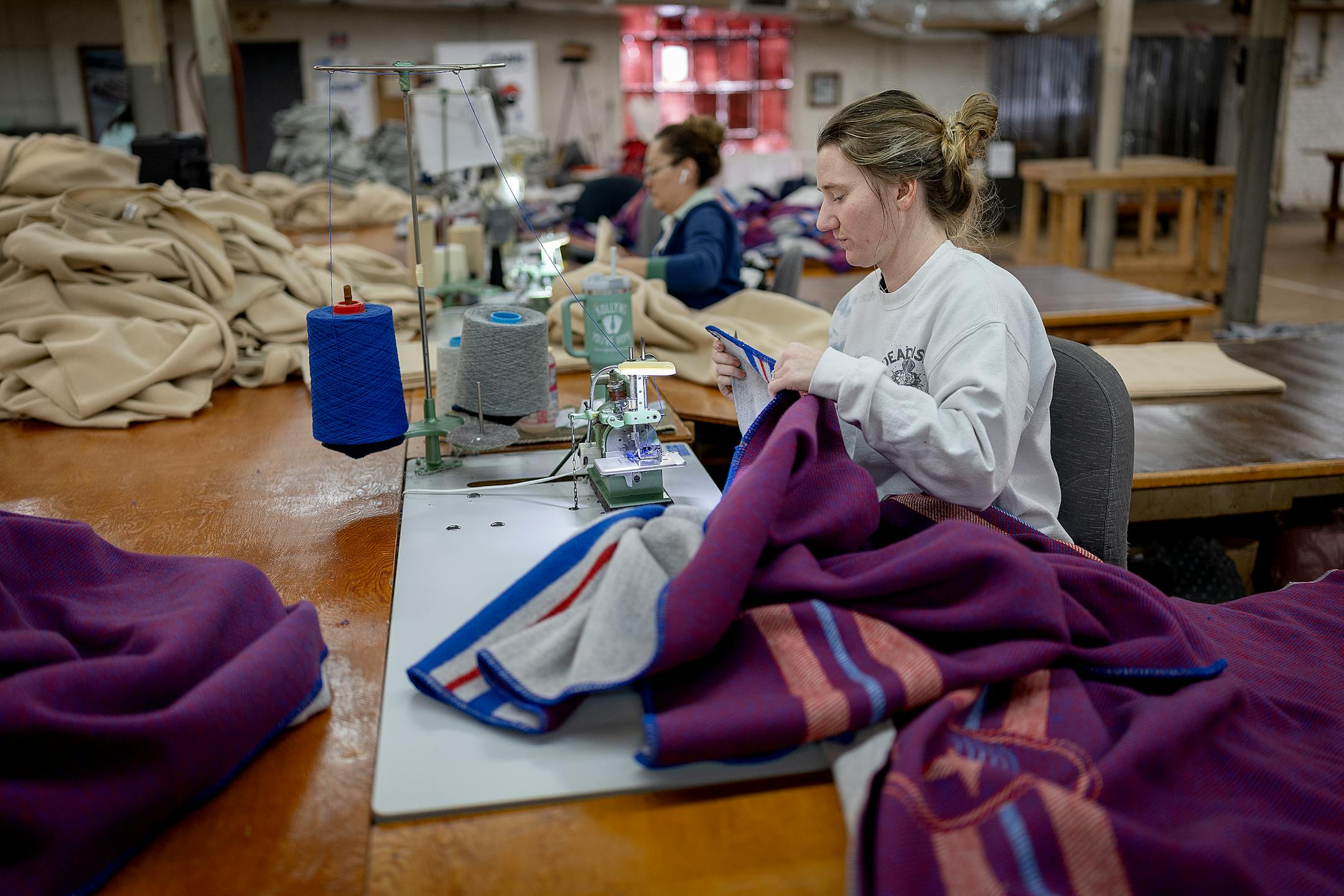
Employees work in the sewing area at the historic Faribault Mill. (Elizabeth Flores/The Minnesota Star Tribune)

Faribault Mill’s top markets now include New York, Chicago and San Francisco, but Widmoyer said the brand’s Minnesota roots remain central.

“We’re proud to be one of the longest-standing manufacturers in the state,” he said. “Being able to grow while still making everything here in the U.S., that’s the heart of Faribault Mill.”

about the writer

about the writer

Carson Hartzog

Retail reporter

Carson Hartzog is a business reporter covering Target, Best Buy and the various malls.

See Moreicon

More from Retail

See More
card image
Leila Navidi/The Minnesota Star Tribune

About 72% of retailers now charge a processing fee, according to the National Retail Federation, while others are shortening return windows or imposing stricter policies to help reduce costs and fraud.

card image
card image