

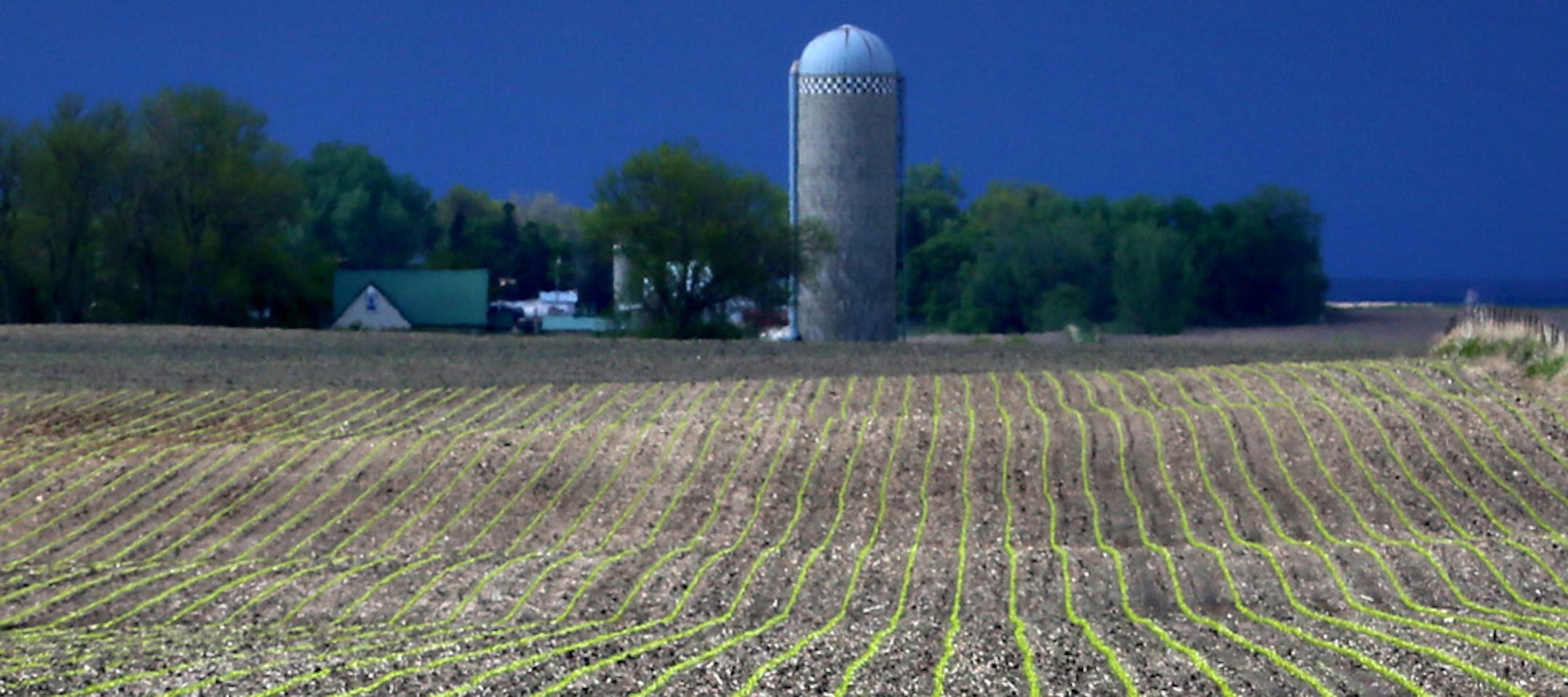
Minnesota cropland values surged again the past year as farmers reeled in big paychecks. This year's crops are looking decent, overcoming a sodden spring and late planting. The weather has been good.
In fact, everything is so good it may be too good, or so goes the logic of farming economics. With big grain crops expected through much of the nation, the price of corn has dropped to levels not seen since 2010.
That means farmers who've sunk more money into land and equipment during boom times — thus increasing their costs — are looking at thinning margins this year if corn prices stay where they are.
Higher-cost operators may end up losing money, said Michael Swanson, an agricultural economist in Minneapolis with Wells Fargo & Co.
"There's going to be a lot more pressure if the price of corn per bushel is $4 for cash delivery this fall" — a possibility if price trends don't change appreciably.
"Good" farmers with lower costs will be OK, Swanson said. "But I'm losing my shirt if I'm bad," he said, referring to high-cost operators.
Agriculture has been a big bright spot for the Minnesota and Midwest economy in the past few years, as farmers have enjoyed high grain prices. Strong increases in farmers' income have mitigated worries that the jump in land values might be an asset bubble.
Cropland values surged 20 percent in Minnesota between 2012 and 2013, up from an average of $4,050 per acre to $4,850 according to an annual survey released Friday by the U.S. Department of Agriculture. Minnesota outpaced U.S. farmers: Nationally, cropland value was $4,000 per acre, up $460, or 13 percent.


