

Many of the global prices for food, fuel and fertilizer that spiked when Russia invaded Ukraine have returned to their prewar levels, defying the most dire forecasts even as policymakers warn of the continued risk of famine and financial crisis in the developing world.
Russia's Feb. 24 attack on Ukraine sent a shockwave through commodity markets. Since then, however, fears that the war would cut off all exports through the Black Sea have proved unfounded.
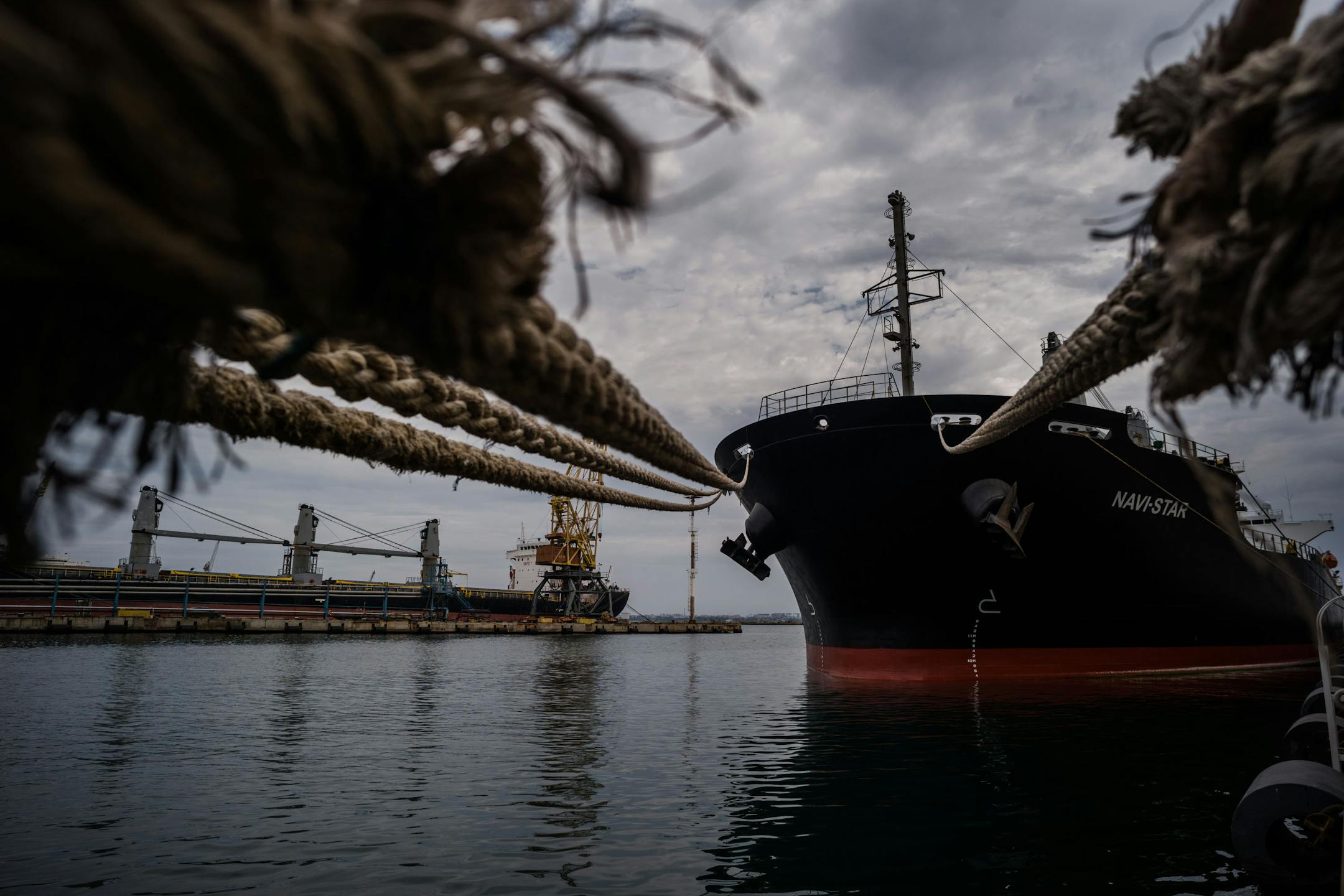
Russian grain cargoes for months have sailed from the docks in Novorossiysk to customers in Africa and the Middle East. And limited grain shipments from the Ukrainian port of Odessa resumed Aug. 1 under a deal brokered by the United Nations.
Pressure on commodity markets also eased after Wall Street speculators began selling their holdings in response to the Federal Reserve's interest-rate increases, which made bets on rising commodity prices less certain.
Wheat is now less expensive than when the war began. Brent crude oil, the global benchmark, hovers around its mid-February level of $97 per barrel. And the price of urea fertilizer, which almost doubled in the war's first weeks, is back to its prewar level.
Yet, markets could again reverse course, and they are likely to remain volatile into next year, analysts have said.
"The worst didn't happen ... But there's a false sense of security in the markets right now," said Sanjeev Krishnan, the chief investment officer at S2G Ventures, an investment firm in Chicago specializing in food and agriculture. "This fall could have a lot more volatility."
Averting a deeper global crisis depends on the interaction between government policies in scores of countries, the climate, an unpredictable conflict in Europe and global diplomacy.


