

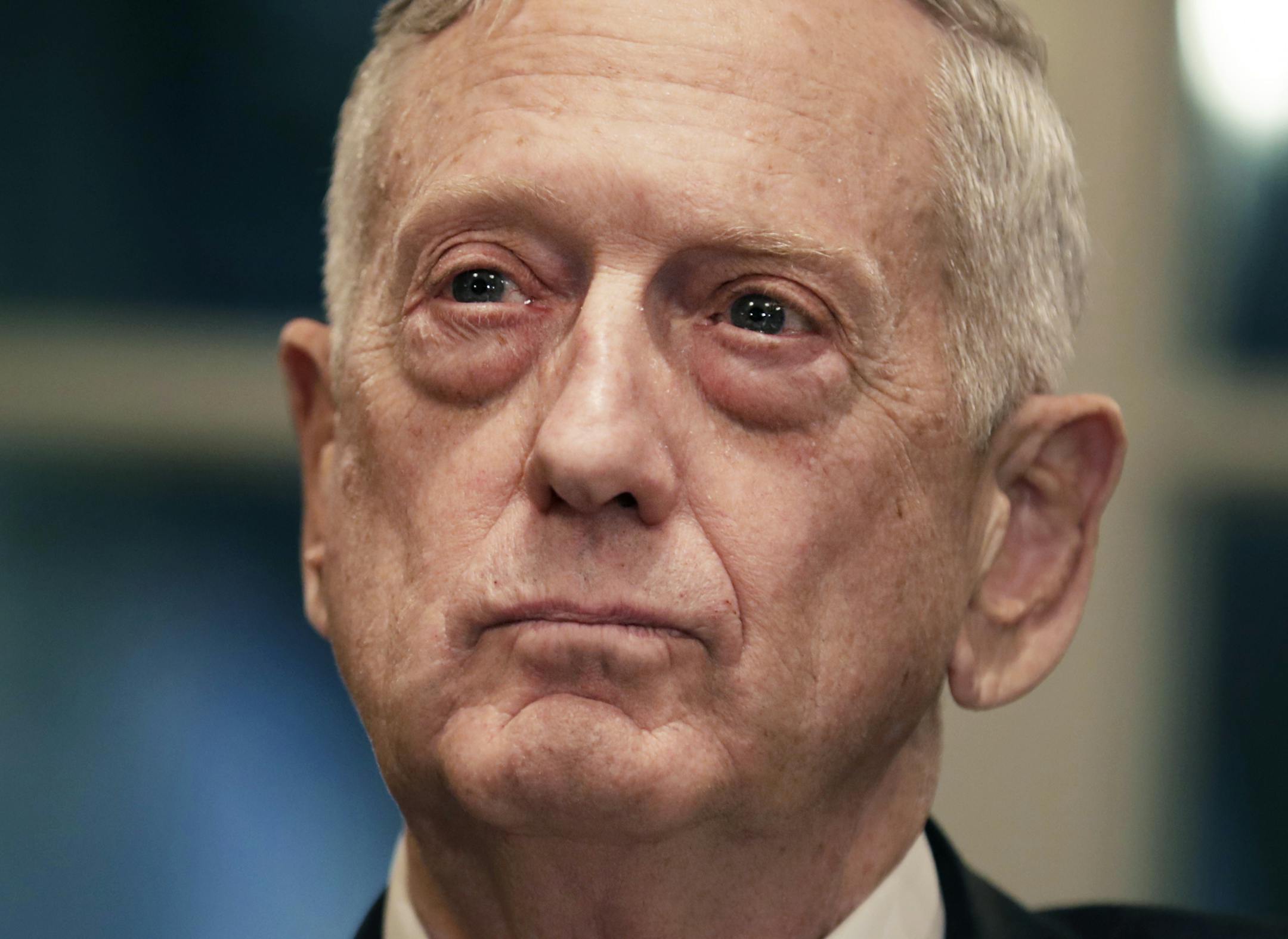
Jim Mattis's resignation from the Trump administration, and his subsequent accelerated dismissal, prompted responses that bordered on the hagiographic. Tellingly, most of the anecdotes in these articles and columns emphasized his career up to the point when Mattis walked into the Pentagon as Defense secretary, rather than his performance in that role - which was decidedly lackluster.
In the Atlantic, foreign policy scholar Eliot Cohen told a heartwarming story of Mattis relieving a young Marine from checkpoint duty, on a Christmas Day at Quantico, Virginia, so he could spend the holiday with his family. Retired Army officer John Nagl recalled that Mattis joined Marines in foxholes on cold nights in Afghanistan to keep watch. Post columnist Max Boot chimed in, saying Mattis in Iraq in 2003 was "as close to a reincarnation of George S. Patton as I would ever meet."
Nagl and Cohen both noted that Mattis is an avid reader of the classics, with a personal library of thousands of books on history and strategy. While he is no doubt a highly respected Marine and an unconventional thinker, the praise in all these pieces was so thick it obscured his actual record in the job he resigned from (beyond vague assertions that he "labored to save the world from Trump," as Boot put it).
It's hard to square the irreproachable figure in the post-resignation evaluations with some of his actions. In the weeks leading up to the resignation, for instance, Mattis had an opportunity to set the record straight on two important issues generating controversy at home and abroad - and he whiffed on both.
At a joint news conference with Secretary of State Mike Pompeo, he demurred when asked about the murder of Washington Post contributor Jamal Khashoggi, declaring that there was "no smoking gun" proving the Saudis were involved. Days later, CIA Director Gina Haspel would brief Congress that her agency had concluded that Riyadh was complicit in the murder; Mattis apparently decided to ignore or disregard that intelligence assessment, which had reportedly been completed before he spoke.
Mattis's comments during a visit with troops deployed in support of Trump's controversial southern border policy were equally regrettable. Given an opportunity to talk about the military's role there to service members on the ground - and the U.S. public - Mattis struggled. A young soldier asked Mattis what the "short and the long-term plans of this operation" were, and Mattis responded: "Short term right now, you get the obstacles in so the border patrolmen can do what they gotta do. . . . Longer term, it's somewhat to be determined." He added: "We'll just have to see what the situation develops in, and then we'll get you an answer."
To be sure, Mattis did not devise this misguided mission, which politicized the armed services. But if Mattis was not going to resign over this mission, he owed more to the men and women on the ground there than the muddled non-rationale he provided.
At least Mattis provided statements in these two cases, albeit fairly useless ones; throughout his tenure as secretary, the Defense Department became considerably less transparent than it had been under his predecessors. The department gave reporters little access to its senior leaders, including Mattis himself, and became more stinting with information about what it was doing, both with the public and with our allies.


