

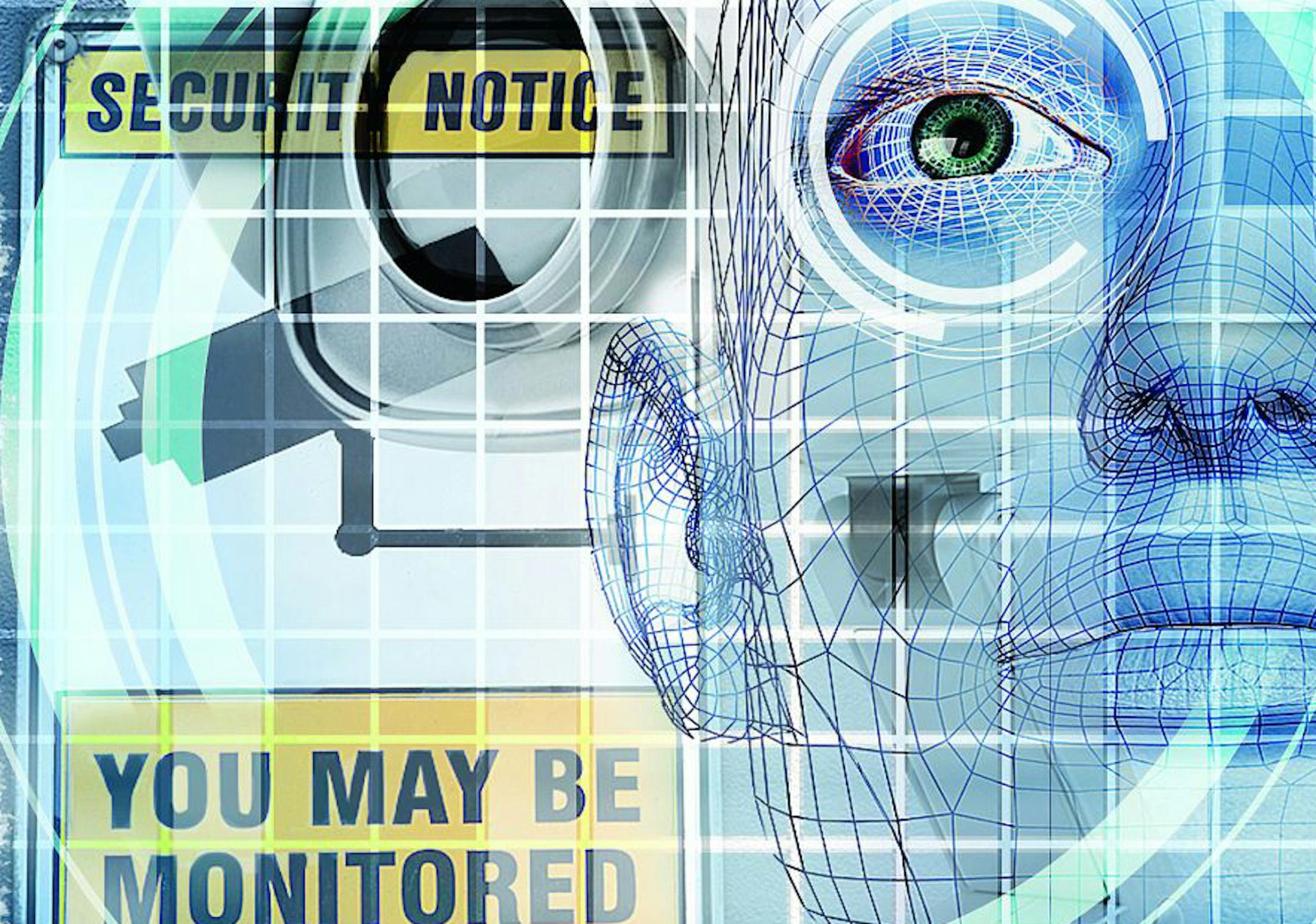
WASHINGTON - Imagine arriving at a hotel to be greeted by name, because a computer has analyzed your appearance as you approached the front door.
Or a salesman who IDs you and uses a psychological profile to nudge you to pay more for a car.
The day is coming when businesses, and others, will have those kinds of capabilities, says Alessandro Acquisti, a professor at Carnegie Mellon University who studies the positive and negative implications of facial recognition technology.
"Your phone -- or in some years your glasses and, in a few more, your contact lenses -- will tell you the name of that person at the party whose name you always forget," Acquisti said. "Or it will tell the stalker in the bar the address where you live."
However it is used, facial recognition is becoming a big business, with the potential to move far beyond such early applications as picking out Facebook friends in photos or helping cops nab crooks and terrorists.
In 2010, Maplewood-based 3M Co. paid nearly $1 billion for the California company Cogent, which develops a variety of identification systems, including iris and facial recognition technology. Another company, MorphoTrust USA, has a 150-person biometric facility in Bloomington.
"The next step in applications will be face-in-the-crowd -- identifying people at long distance," 3M Cogent marketing director Teresa Wu said. "That depends on the resolution of the cameras."
In 1990s pop culture trivia, Cheers was the bar where "everybody knows your name." In 21st-century America, with its social media, photo sharing and myriad cameras, you increasingly need only to appear in public to be recognized, even if you don't want to be.


