NEW ULM, MINN. – Leaders in this southern Minnesota city, famous for its German heritage, have adopted a new philosophy to combat its housing crisis: saying “ja.”
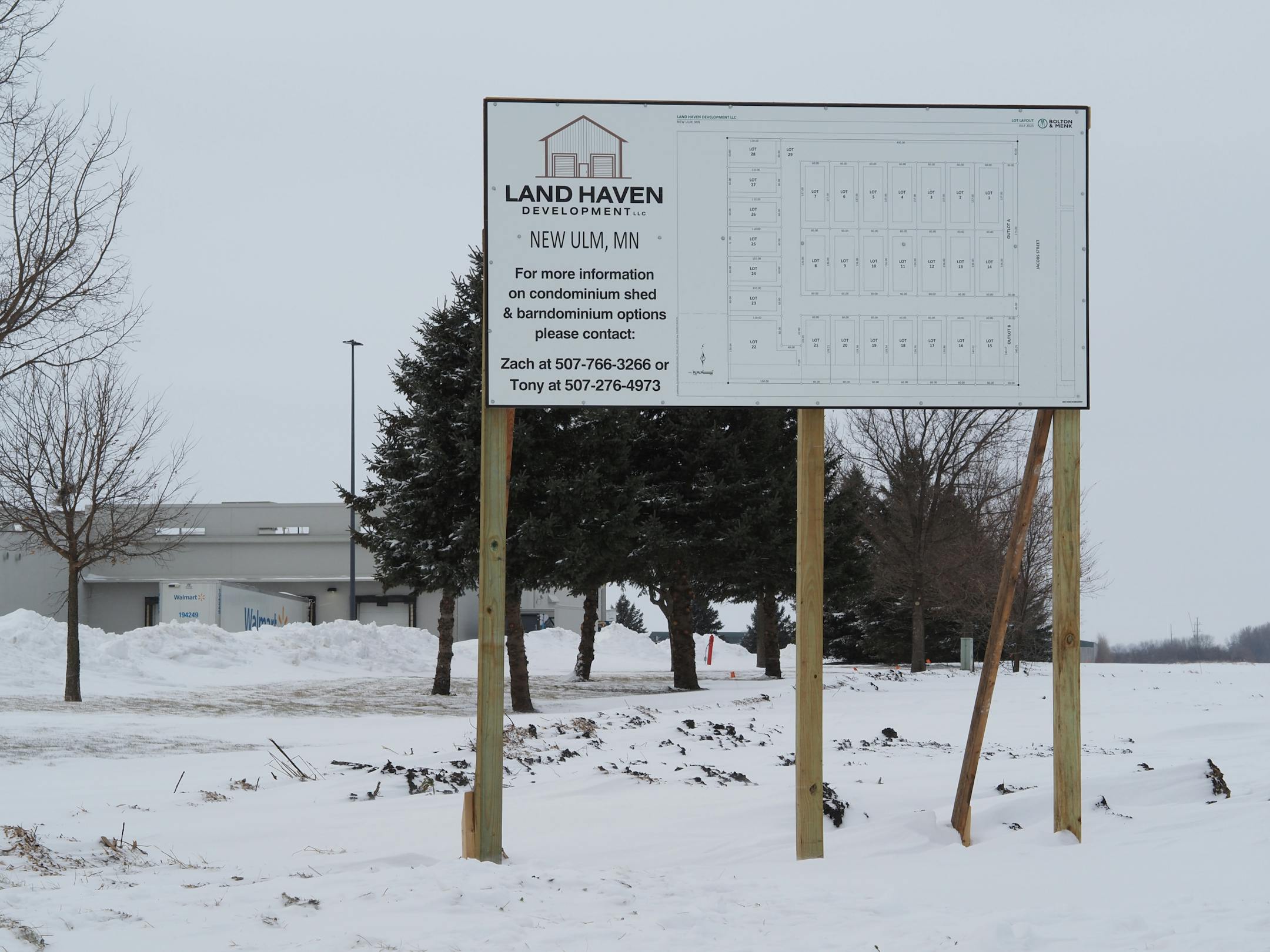
Over the past few months, the City Council in this town of about 14,000 has approved a flurry of housing projects, including nearly two-dozen shed houses in an industrial area, more than a dozen 400-square-foot tiny homes and a 148-unit apartment complex that faced opposition from residents who said New Ulm is moving too fast on housing.
It’s a deliberate choice to hear out real estate developers proposing projects that could be seen as “out there” or experimental, said City Manager Chris Dalton.
It’s “not saying ‘no’ to an idea right off the bat, but looking at it, seeing if it’s a fit for our community, and then seeing how you can say ‘yes,’ ” Dalton explained.
Like many cities in greater Minnesota, New Ulm has a housing shortage, with a total vacancy rate that’s hovered below 1%, high property prices that freeze out most buyers and employers complaining that they’ve lost out on workers who can’t find a place to call home.
The shortage, in part, is due to high construction costs that led to developers giving up on building homes cheaper than $250,000, a 2022 report by Maxfield Research and Consulting found. New Ulm has a record-low supply of housing for sale, and there’s a chokepoint in the real estate ecosystem due to the city’s aging population staying in their family homes with few independent living options to downsize into.
New Ulm is one of many cities trying to fight persistent shortages by being more flexible with zoning and more accommodating to developers in recent years, said Ryan Allen, an urban and regional planning professor at the University of Minnesota.
“We’re starting to see the balance shift; they’re willing to be more experimental in the face of the lack of affordable housing,” Allen said. “Things have gotten critical enough in many contexts that I understand the instinct to throw a lot of things at the wall and see what sticks.”