

Minnesota's projected budget surplus now stands at $9.25 billion, and the fight over how to divide that pie at the Legislature is going to be epic.
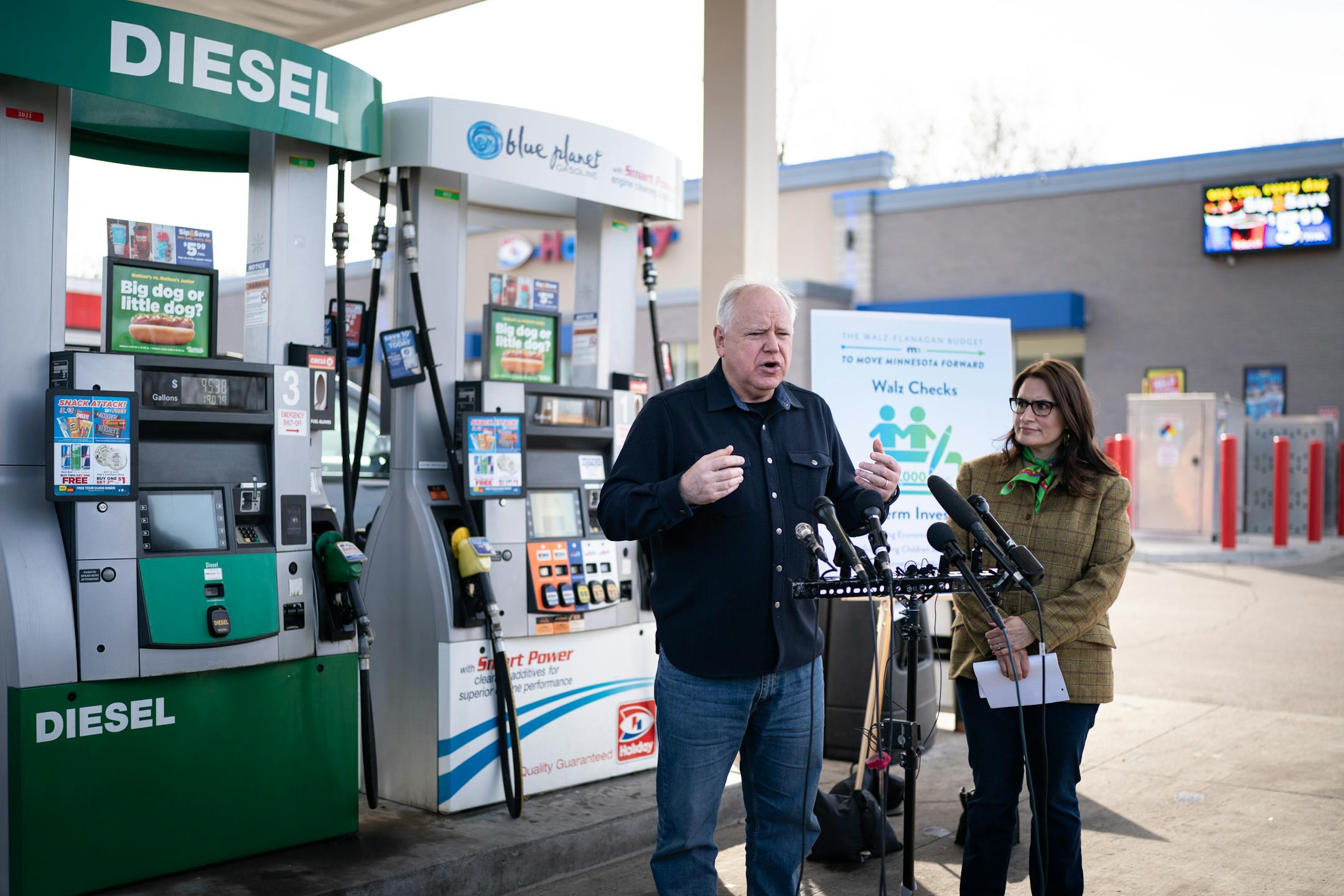
In a supplemental budget released last week, Gov. Tim Walz laid out a proposal that would send $2 billion directly to taxpayers: $500 to single filers and $1,000 to joint filers. If passed by the Legislature, those checks could go out as early as this summer to some 2.7 million Minnesotans, Walz told an editorial writer.
Other priorities that the Star Tribune Editorial Board has supported strongly are the complete replenishment of the Unemployment Insurance Trust Fund (UI), $2.7 billion; plus about $1 billion in bonuses to an expanded pool of frontline workers who did not have the safety of working remotely during the pandemic.
Walz' overall budget proposal also devotes $300 million over three years to local communities for public safety needs, including police recruitment, funds to improve 911 dispatch systems, body cameras or whatever local priorities demand. The average city would receive about $240,000 in aid.
There's more, but these are all vital areas deserving of funds.
Republicans, however, see the state surplus — one of the nation's largest — as an opportunity to offer permanent income tax cuts and a complete exemption from taxation for Social Security income. Cutting taxes at the bottom level, as Senate Republicans are proposing, would benefit all workers but could put this state's finances in jeopardy in coming years.
The income tax cut would shrink the state's first-tier bracket from 5.35% to 2.8%. They have estimated that would save joint filers making a combined $100,000 about $1,000. A filer making $37,000 would save about $500 a year, or a little less than $10 a week.
The difference is that those cuts would go on year after year, whether the state could afford them or not.


