2:05
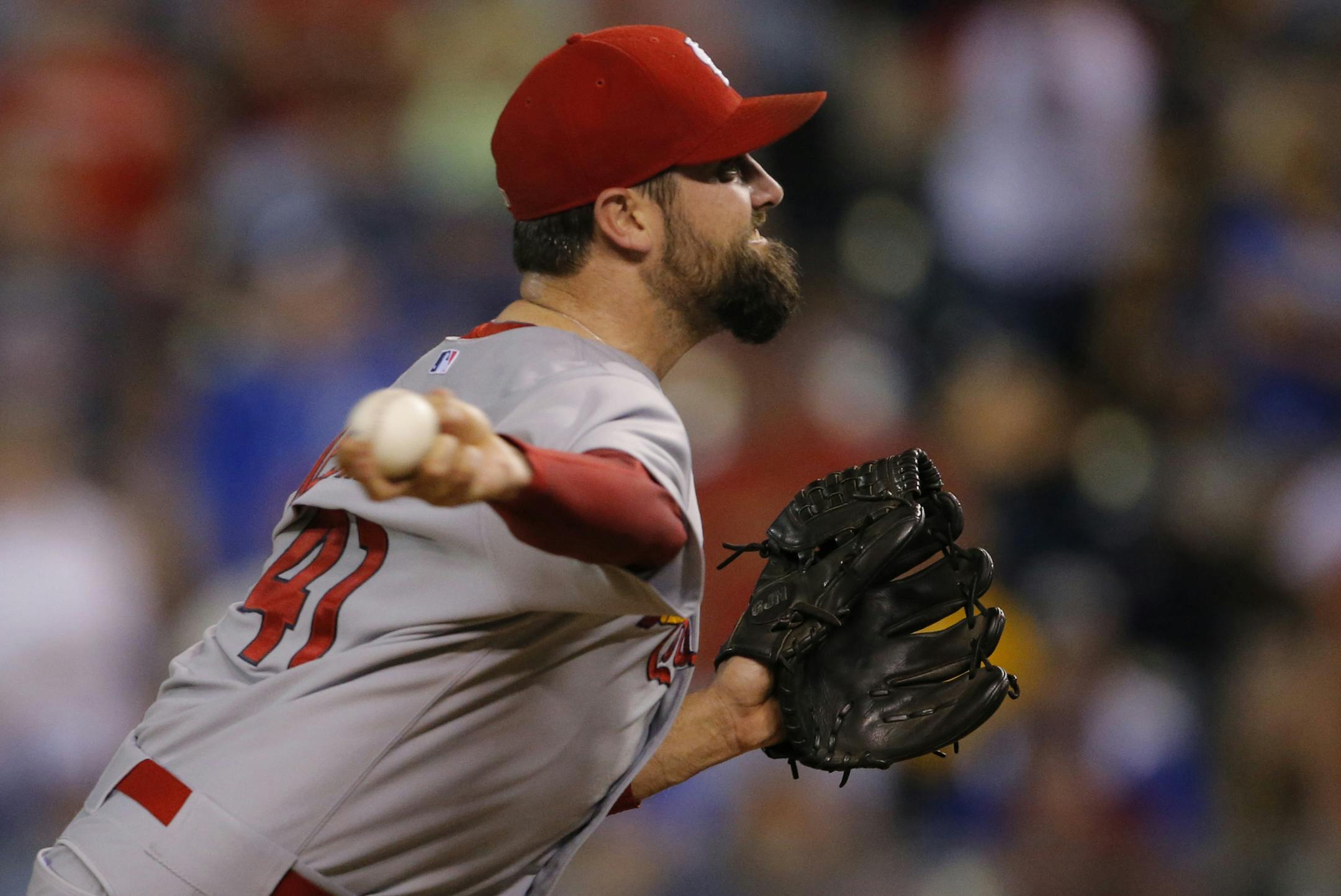
2:05ST. LOUIS – He throws weird, like some strange mechanical sidearm Frisbee launcher. He's suffered major injuries that have sidelined him for months at a time. Three times, his teams have lost faith in him and told him he's through. He's been told he doesn't throw hard enough. He's the only All-Star in Tuesday's game who had to beg for a minor league contract last spring from a team he didn't really want to sign with, "and if you told me I might make the Triple-A All-Star team, I'd have taken it."
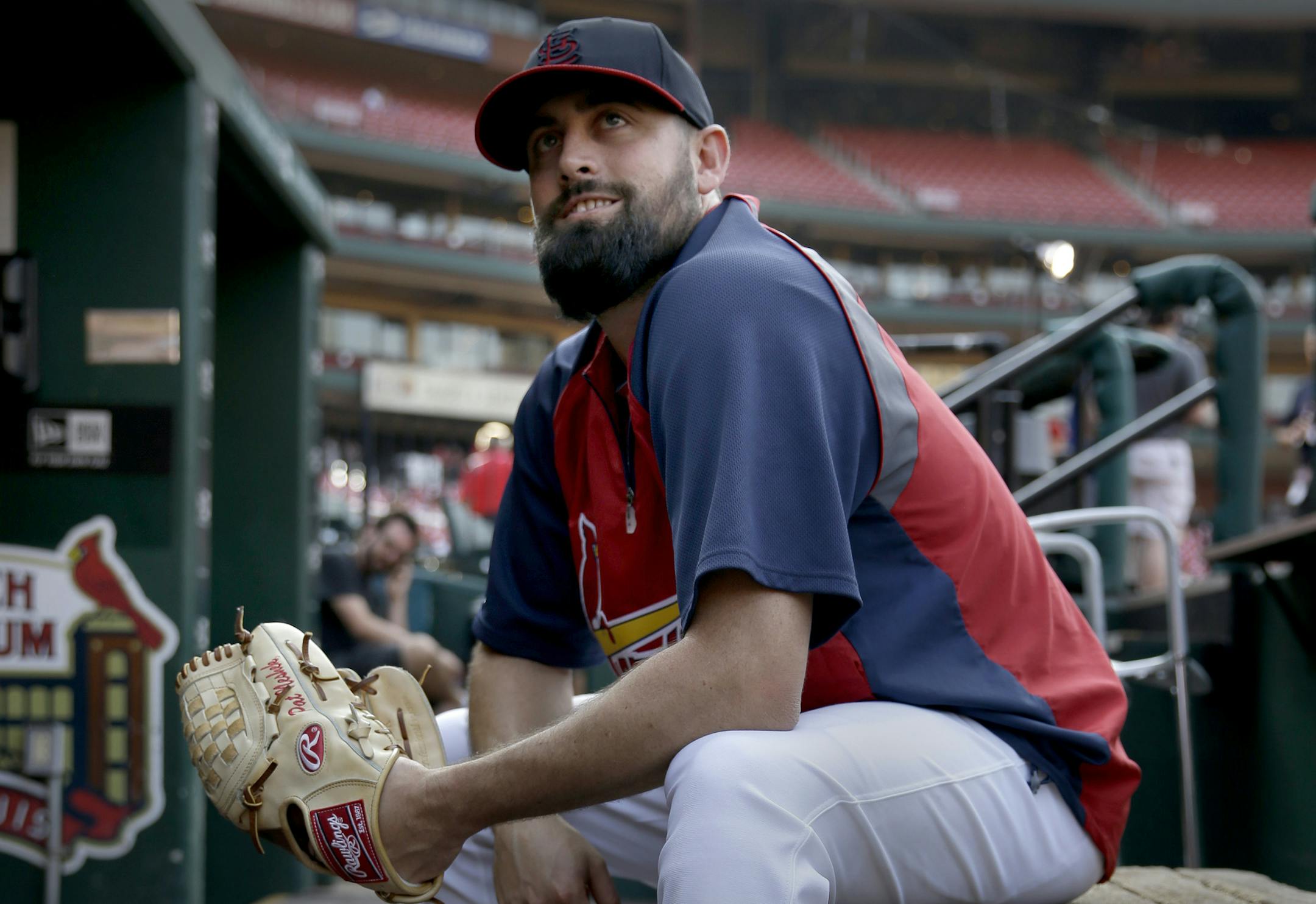
Those facts alone make Pat Neshek — homegrown Minnesotan, former Twin and, this season as a member of the St. Louis Cardinals, the most effective relief pitcher in baseball — the most implausible comeback story of the year. But there's another even more compelling side to his journey. A story of personal loss, fear and fatherhood.
"The baseball stuff, I've dealt with skeptics my whole career," the 33-year-old Brooklyn Park native and Park Center High grad said with a shrug. That included his hometown team; the Twins put him on waivers and let the Padres take him for nothing in 2011. "The last two years were a million times harder than that. But I realized, you have to get over the pain and keep going."
He wasn't always sure he would, not after the worst day of his life, which came exactly one day after the best. He was at home in Melbourne, Fla., on Oct. 3, 2012, still amped by the thrill of witnessing his son Gehrig John Neshek's birth the day before, the same day his team, the Oakland A's, clinched the AL West. He had dozens of photos of him holding the baby, smiling like a lunatic, his personal and professional life at its peak.
Then his wife, Stephanee, called from the hospital. She could barely get the words out. "Gehrig stopped breathing."
She had just given him a bath, and was rocking him in her arms while visiting with friends, when his heart stopped. He lived just 23 hours, seemingly normal and healthy. "I'm glad I was with him, at least," Stephanee said. "That he wasn't alone in the nursery bassinet."
Doctors suspect he died of an infection they thought had been treated, but they don't know for sure. It was impossible to comprehend, let alone explain.
"It still seems like it's not real, like it happened to someone else," Neshek said.