

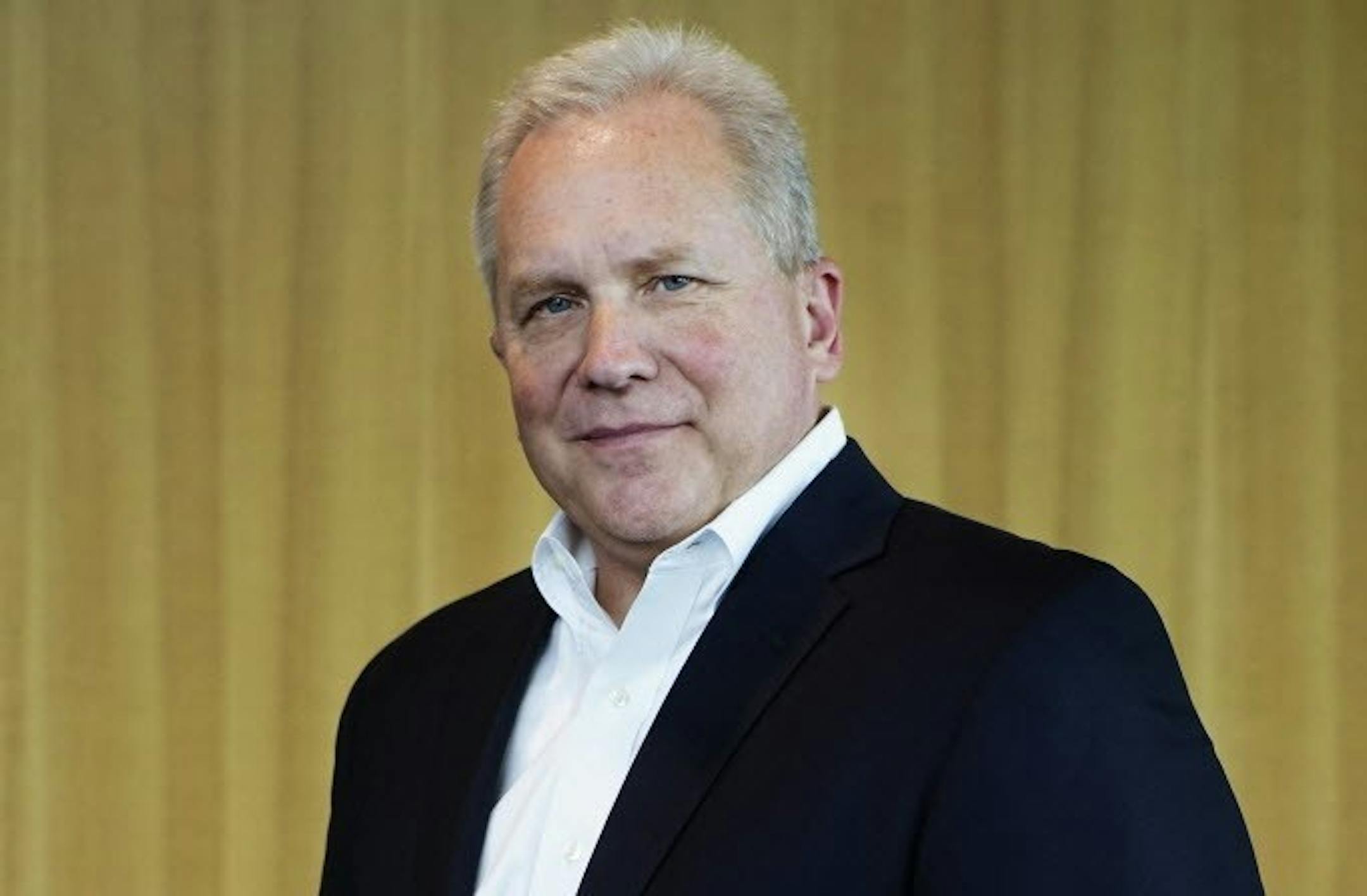
During MNsure's troubled rollout, Tom Forsythe was one of the first board members to voice regrets that he hadn't raised concerns earlier. During a February 2014 meeting on MNsure's beleaguered call center, Forsythe confessed: "I am struggling with how to be a good board member here." MNsure's still got issues. But when he ended his three-year term this spring, Forsythe could cite both technology improvements and growing enrollment that helped push the state's uninsured rate to historic lows. MNsure was launched under the federal Affordable Care Act as a government-run marketplace for individuals to buy private health coverage. About 6 percent of state residents buy coverage in the individual market, which has undergone sweeping changes by way of MNsure and other health law initiatives.
Q: The individual market in the past year has seen significant disruption. UnitedHealthcare will retreat next year from exchanges in about 30 states. Blue Cross and Blue Shield of Minnesota says it will significantly narrow its product offerings in the state. Why is this market struggling so much?
A: The principal reason the market is struggling in Minnesota is because it's not big enough. The sheer number of lives that they have in the pool is relatively small. There's a good-news side to that, and that is: Employment has been strong in Minnesota, and employer-provided benefits are still strong. … But that makes our individual market small.
Q: What does the future hold?
A: It's not yet stable. So, premiums are still seeking the right level that provides coverage to people — that keeps them buying — but also keeps insurance companies willing to offer the products. That pool, the individual market, hasn't stabilized. That's why we've seen changing premiums, and that's why we may soon see people falling out of the health care pool because of rising premiums.
Q: Blue Cross is dropping many products but will continue to sell HMO plans with narrow networks of hospitals and doctors. Is there a risk that some insurers might drop the market entirely?
A: I think there is a risk. … It certainly isn't a good thing if health insurers chose not to participate in the individual market. On the other hand, you can see why they might based on the losses they've experienced despite the premiums they have charged. This is not a good scenario, because I fear what might come next from a public policy perspective.
Q: What do you mean?


