

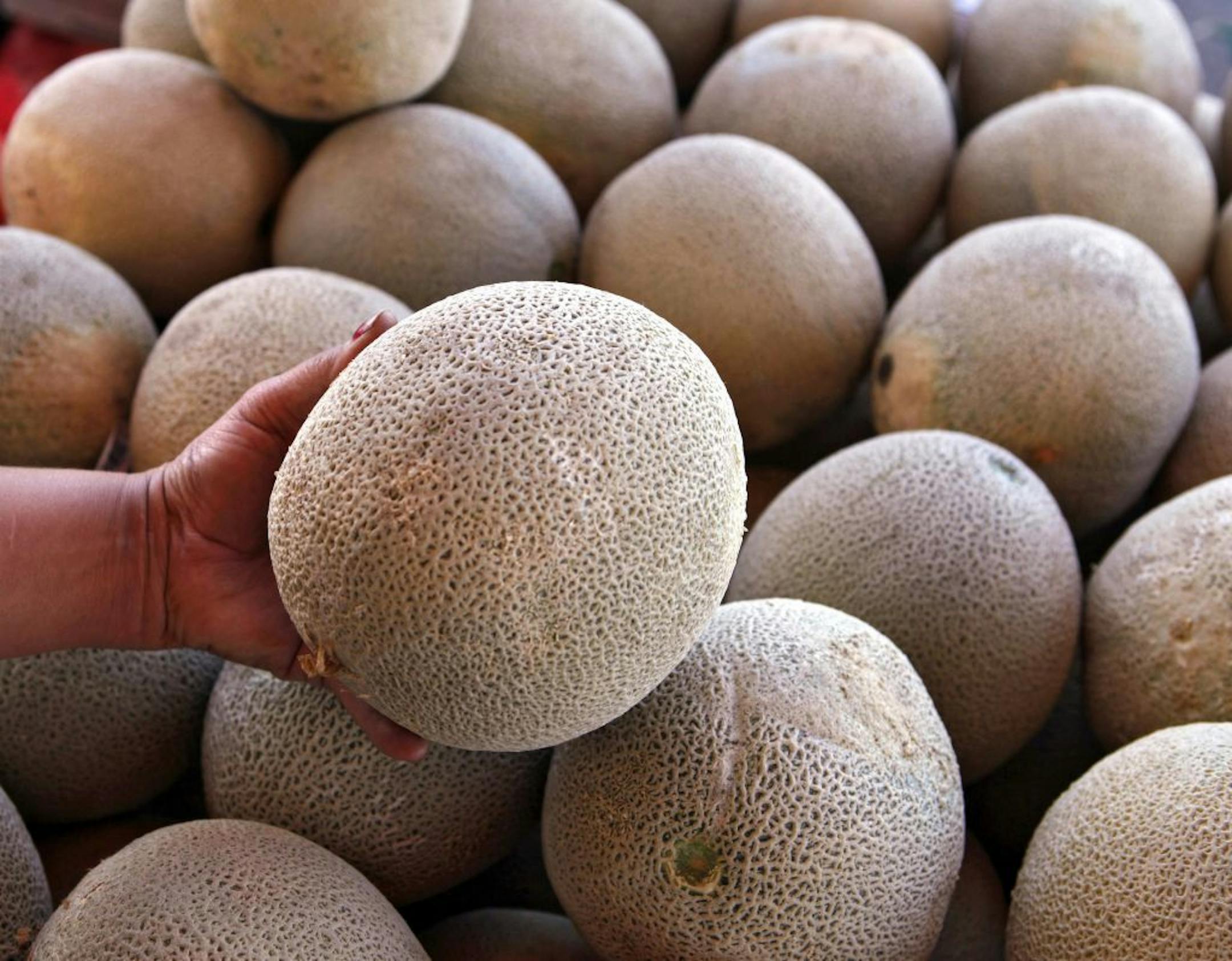
In just the past two months, food companies and government safety agencies have issued recalls for hamburger, lettuce, tomatoes, avocados, cheese, smoked salmon, spinach dip, ground turkey and cantaloupes.
At least 13 people are already believed to have died from eating cantaloupes grown on one farm in Colorado, the deadliest outbreak of foodborne illness since 1998. That recall came just a month after Cargill launched the second-biggest meat recall in history, involving 36 million pounds of ground turkey. The salmonella traced to the meat has been blamed for one death.
Some will say these tragedies confirm all that is wrong with how food is grown, distributed and sold in the U.S. and much of the developed world. I'd argue the opposite: that the recalls prove that the U.S. food safety system works far better than most people give it credit for.
That doesn't mean it's perfect. Last year's recall of 550 million eggs for possible salmonella contamination revealed a shocking lack of oversight by food safety inspectors. An estimated 3,000 people die each year from food poisoning, according to the Centers for Disease Control and Prevention. Foodborne illnesses cost the U.S. $152 billion a year in lost productivity and health care costs, according to estimates from Georgetown University's Produce Safety Project.
Those numbers are one reason the Food Safety Modernization Act swept through Congress with rare bipartisan support in 2009 (including the unanimous backing of Minnesota's delegation).
The legislation expands the government's ability to proactively monitor food safety and ensure companies are taking the right steps to prevent deadly outbreaks. But partisan politics and lobbying have bogged down funding and final rulemaking, which means regulators remain in the largely reactive role of figuring out what went wrong after people have already gotten sick. Or died.
Will the new rules ensure that nobody ever gets sick again? Of course not. No food produced in meaningful quantities will ever be entirely safe.
Advocates of organic farming and the local food movement may insist otherwise. They inveigh against "factory farming," and suggest an alternative reality, where more people grow their own food or buy it from people they know and trust.



