

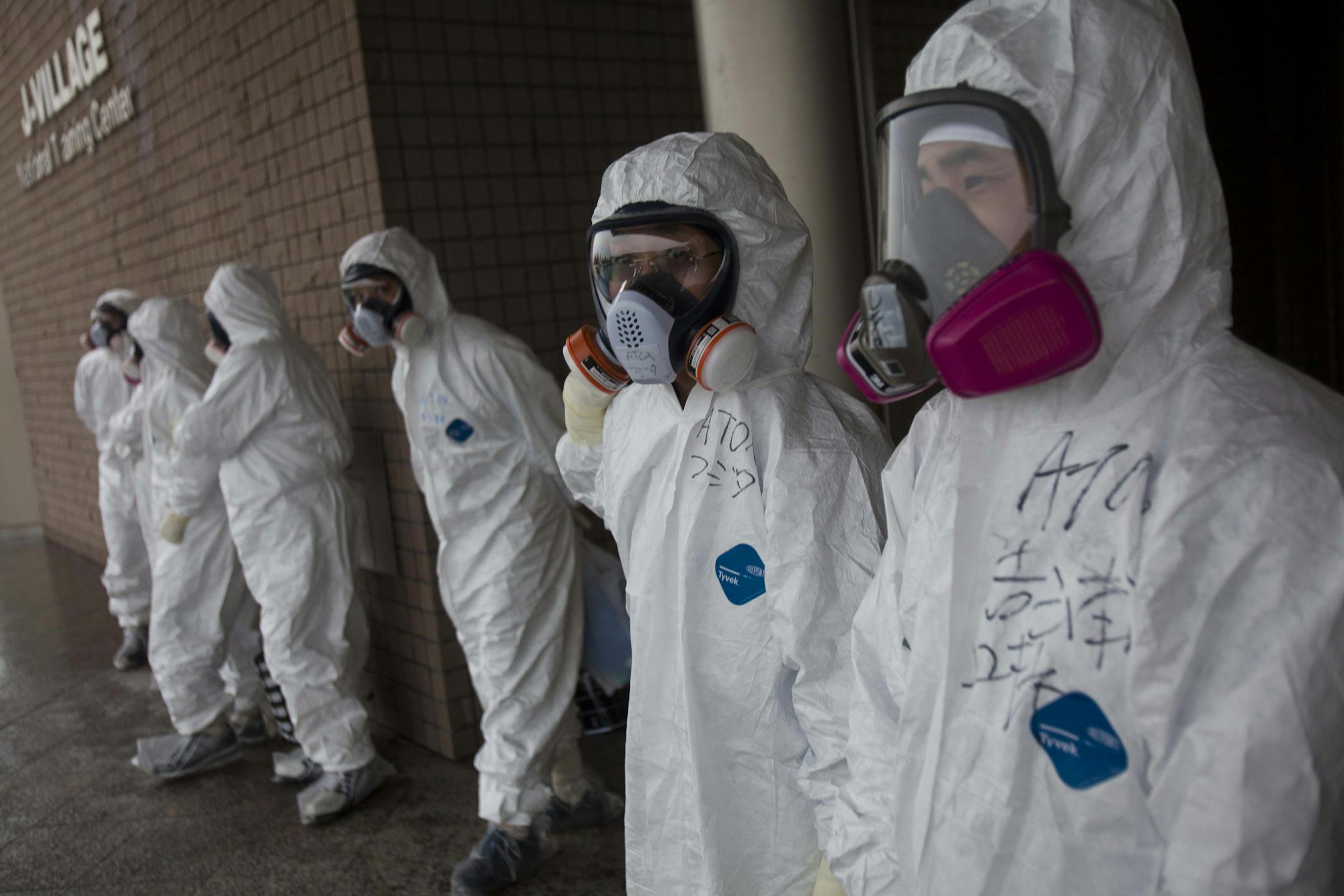
The great event of the nuclear calendar for 2011 was the earthquake and tsunami that hammered three reactors at the Fukushima Daiichi plant in Japan.
If you are a believer in nuclear power, these sturdy old machines proved their mettle. They withstood all that nature could throw at them, although terrible damage resulted from the loss of external power and the swamping of the emergency diesel generators.
The result was core melting and trouble in the used fuel storage pools.
If you are doubtful about nuclear power, or you are simply a political opportunist, this event was the final nail in the coffin, the proof that the end had arrived. For you, it provided more evidence that nuclear power is inherently unsafe.
The extraordinary thing about Fukushima is that although almost 25,000 Japanese died as the result of the earthquake and tsunami, no one died directly from the nuclear accident or from the release of radioactivity.
The buildings and containment structures survived, as they were designed to 40 years ago. This, despite a wall of water 45 feet high with incalculable force.
Each year, thousands of people are killed in coal mine accidents around the world. In 2010, 2,433 people were killed in China's mines, the world's deadliest.
Yet it was nuclear that had the world holding its breath. As with all accidents or even incidents, nuclear is held to a standard of safety that is orders of magnitude stricter than is applied to any other industrial activity.


