

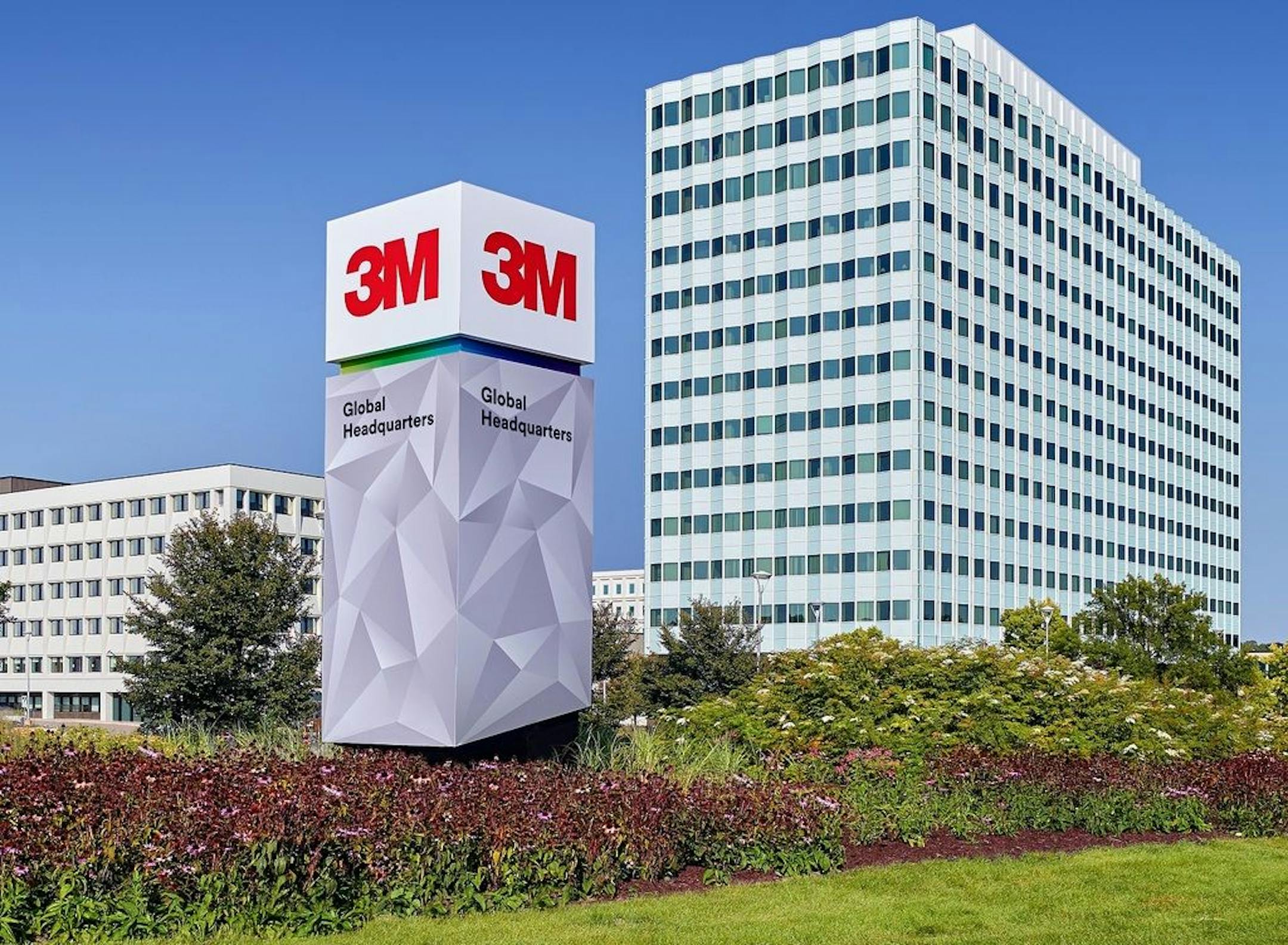
The reports that followed 3M Co.'s disappointing recent earnings announcement made clear how analysts interpreted CEO Mike Roman's statement that "operational execution fell short of the expectations we have for ourselves."
Put simply, 3M executives had admitted to being too slow to do what investors saw as the right thing — letting a lot of 3M employees go.
The company said it was going to reduce head count by about 2,000, roughly 2% of the workforce, through what its executives called "voluntary and involuntary" actions. People with experience at big companies know voluntary likely means some sort of early retirement benefits for agreeing to leave, and everyone knows what involuntary means.
All of this illustrates the kind of pressure managers of even a widely admired company like 3M are under. One of the reasons 3M enjoys its lofty status is its tradition of planning for the long term, particularly its commitment to continually putting a lot of money into coming up with new products and technologies.
Here its executives thought they had to all but apologize for having not already laid people off.
It's not that Maplewood-based 3M didn't make a lot of money in the first quarter, by the way. It generated an operating margin of better than 21%, once adjusted for costs of lawsuits. But sales of not quite $7.9 billion were down about 5% from the same period of 2018. And that made the quarter not profitable enough.
Analysts called these financial results "rough," "unsettling" and even "disastrous." 3M took down the Dow Jones industrial average that day nearly 200 points.
Investors really care about what happens to 3M, one of the 30 stocks that make up the Dow average. One reason is because of the kind of company it is, called a short-cycle industrial company.



